Mastering AI From Scratch to Advanced
Introduction to AI
What Is Artificial Intelligence?
Artificial Intelligence, or AI, is the science of making machines that can think and learn like humans. Think about how you learn. You observe the world, recognize patterns, and use what you've learned to make decisions. AI tries to replicate that process in a computer.
Artificial Intelligence
noun
A field of computer science dedicated to creating systems that can perform tasks that typically require human intelligence, such as learning, reasoning, problem-solving, and understanding language.
At its core, AI is about two things: data and algorithms. Data is the information we feed the machine, like pictures, text, or numbers. Algorithms are the sets of rules or instructions that tell the machine how to analyze that data to find patterns or make predictions. The more data an AI has, the better it gets at its task, whether that's identifying a cat in a photo or recommending your next favorite song.
A Quick Trip Through Time
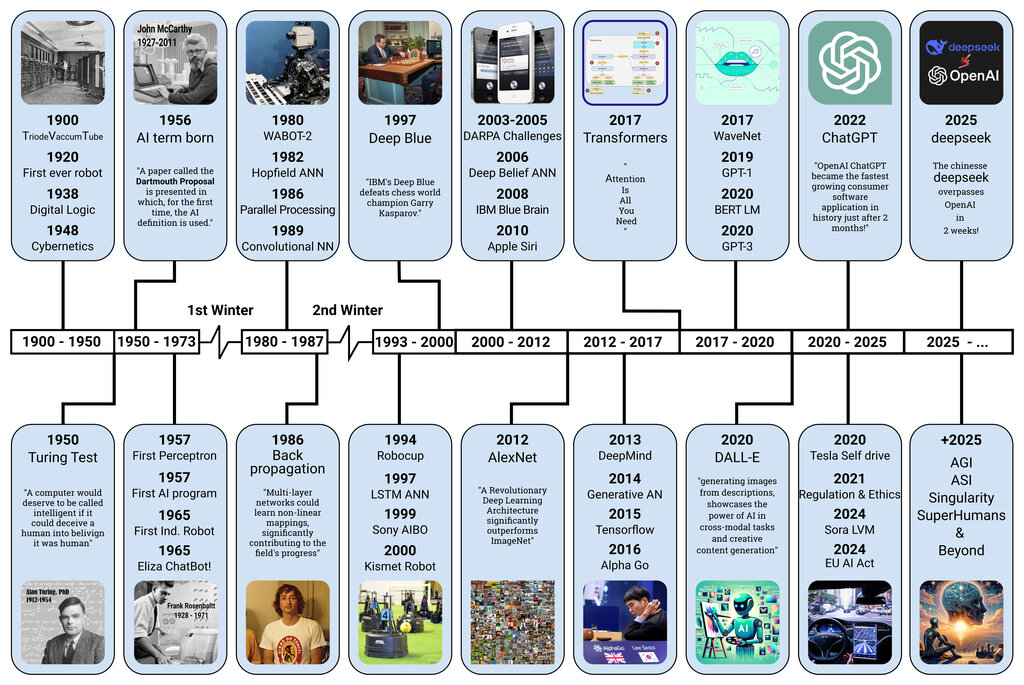
The idea of intelligent machines isn't new. It has roots in myths and philosophy from centuries ago. But the modern field of AI officially began in the mid-20th century. Early pioneers were optimistic, believing they could create human-level intelligence within a few decades.
Progress wasn't a straight line. The field went through periods of excitement followed by 'AI winters,' when funding and interest dried up because the technology couldn't meet the high expectations. But recent breakthroughs in computing power and the availability of massive amounts of data have led to the AI boom we're experiencing today.
Not All AI Is the Same
When people talk about AI, they're often picturing different things. It's helpful to break AI down into three categories based on its capabilities.
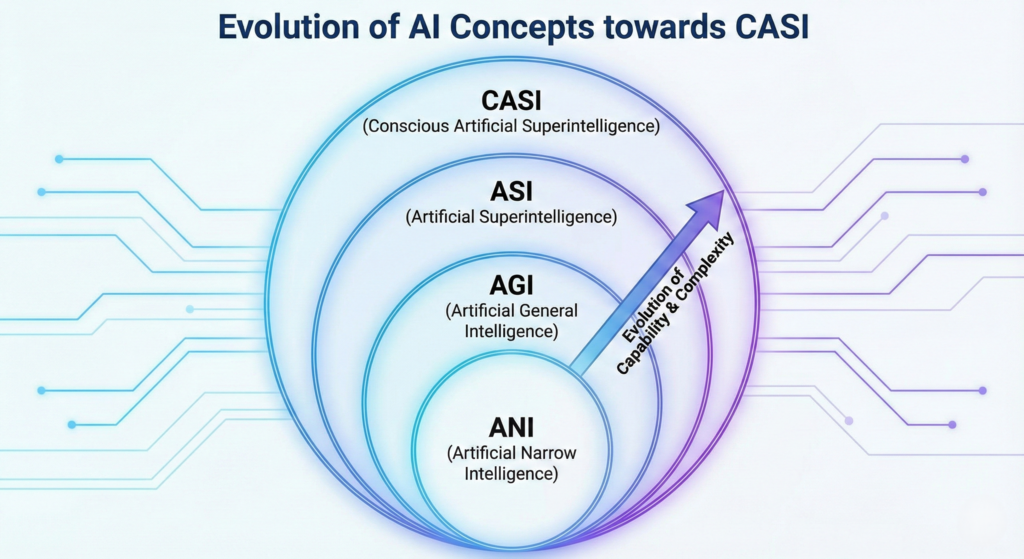
Artificial Narrow Intelligence (ANI) is the only type of AI we have successfully built so far. It's designed to perform a single, specific task very well. Your spam filter, a chess-playing computer, and the AI that powers self-driving cars are all examples of ANI. They can be incredibly powerful, but they can't operate outside their designated function.
Artificial General Intelligence (AGI) is the next step. This is AI that can understand, learn, and apply knowledge across a wide range of tasks, much like a human being. It could solve a complex math problem, write a poem, and then learn how to play a new game, all with the same system. AGI is still theoretical and a major goal for many researchers.
Artificial Superintelligence (ASI) is a hypothetical form of AI that would surpass human intelligence in every way. It wouldn't just match human intellect; it would be far more capable at creativity, problem-solving, and social skills. The potential and risks of ASI are subjects of intense debate.
AI in the Real World
You probably interact with AI every day without even realizing it. It’s the engine behind many of the services and technologies we rely on. It’s not just about robots; it’s about software that makes our lives easier and more efficient.
| Industry | AI Application |
|---|---|
| Healthcare | Analyzing medical images like X-rays to detect diseases earlier. |
| Finance | Detecting fraudulent transactions in real-time. |
| Entertainment | Recommending movies, shows, and music based on your viewing history. |
| Transportation | Optimizing routes for delivery trucks and powering features in self-driving cars. |
| Retail | Personalizing online shopping experiences and managing inventory. |
From navigating our cities to helping doctors save lives, AI is already a powerful tool that's reshaping our world.
Now that you have a grasp of the basics, let's test your knowledge.
What are the two foundational components that AI relies on to function?
An AI that can write a symphony, diagnose a medical condition, and learn to play chess, all using the same system, would be an example of which type of AI?
Understanding these fundamental ideas is the first step. AI is a vast and rapidly evolving field, but its core purpose remains simple: to extend our own intelligence and capabilities through technology.