Mastering AI Evaluations
Introduction to AI Evaluation
Why Evaluate AI?
Building an artificial intelligence system is just the first step. Once an AI is created, how do we know if it's any good? How do we know if it's safe? This is where evaluation comes in. It’s the process of rigorously testing an AI to understand its performance, reliability, and impact on people.
Think of it like building a car. Engineers don't just assemble the parts and hope for the best. They conduct crash tests, check fuel efficiency, and ensure the brakes work under pressure. AI evaluation is similar. It's a series of checks and balances to make sure the system functions correctly and doesn't cause unintended harm.
This isn't just a final exam before the AI is released. Evaluation is a continuous process. AI systems learn from new data, and the world they operate in is always changing. Ongoing assessment ensures they remain effective, fair, and trustworthy over time.
The Problem with Bias
One of the most critical aspects of AI evaluation is checking for bias. An AI system is biased when it produces results that are systematically unfair to certain groups of people. This often happens because the AI learns from data that reflects existing human prejudices.
For example, imagine an AI designed to help banks decide who gets a loan. If it's trained on historical loan data from a time when one neighborhood was unfairly denied loans, the AI might learn to replicate that pattern. It would continue to deny loans to qualified applicants from that same neighborhood, not because of any active malice, but because it learned from a flawed, biased history.
This isn't a hypothetical problem. Biased AI has led to real-world harm in hiring, criminal justice, and healthcare. It can reinforce and even amplify societal inequalities, making evaluation essential for catching these issues before they affect people's lives.
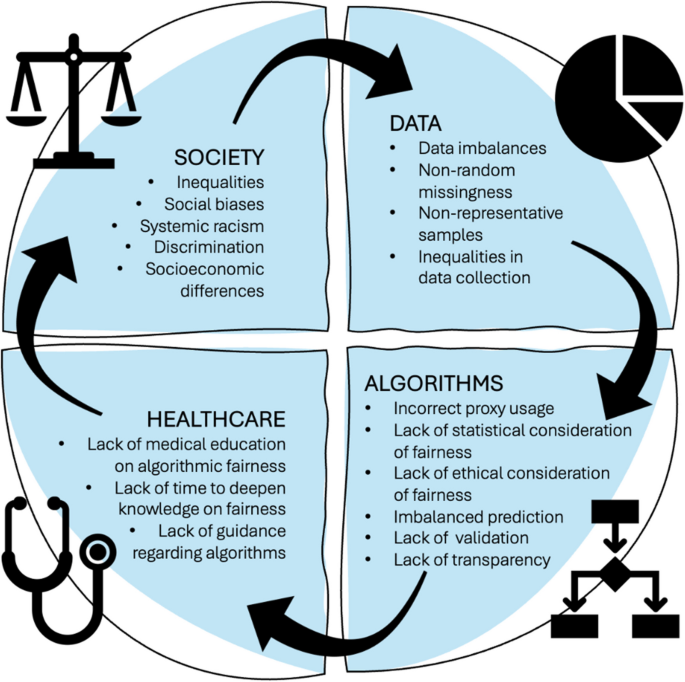
Unchecked, a biased AI doesn't just make mistakes—it makes prejudiced mistakes at a scale and speed humans can't match.
Guiding AI with Ethics
Since AI systems can have such a big impact, we need more than just technical tests. We need a moral compass. This is where ethical frameworks come in. These are sets of principles and guidelines that help developers and evaluators think through the potential societal consequences of their work.
Ethical frameworks guide us to ask important questions during an evaluation. Is the AI system transparent? Can we understand how it makes decisions? Does it respect user privacy? Is it fair to all groups? Who is accountable if something goes wrong?
These frameworks don't provide easy answers, but they provide a structure for making responsible decisions. They push us to prioritize human well-being, fairness, and accountability in the design and deployment of AI.
We highlight recurring operational failures in AI - bias, misspecified objectives, generalization errors, misuse and governance breakdowns - and link them to pedagogical strategies for teaching AI governance.
Let's check your understanding of these core concepts.
What is the primary purpose of AI evaluation?
An AI system designed to help banks approve loans denies applicants from a specific neighborhood at a much higher rate, even when they have good credit. This is most likely an example of:
In short, evaluating AI is about ensuring these powerful tools are not just effective, but also safe, fair, and aligned with human values.