Mastering AI Automation for Business Impact
AI Automation Overview
What Is AI Automation?
AI automation is the use of artificial intelligence to make business processes smarter, more adaptable, and more efficient. Unlike traditional automation, which follows a rigid set of pre-programmed rules, AI automation systems can learn from data, make decisions, and improve over time.
Think of it this way: traditional automation is like a checklist. It does exactly what you tell it, in the order you tell it. AI automation is more like a skilled assistant. It understands the goal and can figure out the best way to achieve it, even if circumstances change.
The core purpose is to handle complex, repetitive, and data-heavy tasks. This frees up human workers to focus on creative problem-solving, strategy, and other work that requires a human touch.
A Quick History
Automation isn't new. The idea of using machines to do human work is centuries old. The first industrial revolution introduced mechanization, followed by assembly lines and basic robotics in the second and third. These systems were powerful but rigid.
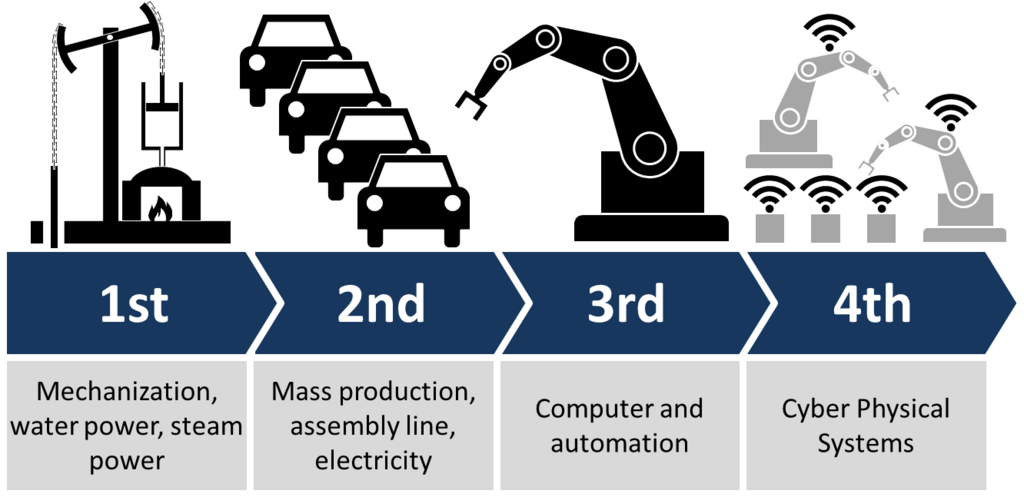
Early software automation in the late 20th century allowed us to automate digital tasks with scripts and macros, but they still required precise instructions. The game changed with the rise of big data and powerful computers. This created the perfect environment for AI to move from research labs into practical business applications, making automation far more flexible and intelligent.
The Tech Behind the Scenes
Several key technologies drive modern AI automation. You don't need to be an expert to understand what they do.
At its core, AI automation combines machine learning (ML), natural language processing (NLP), computer vision, and robotics to automate tasks that traditionally required human effort.
-
Machine Learning (ML): This is the engine of AI automation. Instead of being programmed for a specific task, ML algorithms learn from data. An ML model can analyze thousands of loan applications to learn how to spot a likely default, or sift through customer feedback to identify common complaints.
-
Natural Language Processing (NLP): NLP gives machines the ability to understand, interpret, and respond to human language. It's what powers chatbots that can answer customer questions and systems that can analyze the sentiment of social media comments.
-
Computer Vision: This technology allows AI to interpret and understand the visual world. It's used in everything from quality control on a manufacturing line, where it can spot defects in products, to self-checkout systems that identify fruits and vegetables.
Why Bother With AI Automation?
Integrating AI into automation offers huge benefits for businesses. It's about working smarter, not just faster.
Greater Efficiency AI can handle tedious, time-consuming tasks at a scale humans can't match. This could be processing invoices, screening resumes, or managing inventory, freeing up employees for higher-value work.
Improved Accuracy For data-intensive jobs, human error is always a risk. AI automation minimizes mistakes in tasks like data entry, financial analysis, and report generation, leading to more reliable outcomes.
Smarter Decision-Making AI can analyze massive datasets to uncover trends, predict outcomes, and provide insights that would be invisible to a human analyst. This helps businesses make better-informed strategic decisions, from marketing campaigns to supply chain management.
Enhanced Customer Experience AI-powered chatbots provide 24/7 customer support, while recommendation engines on e-commerce sites offer personalized suggestions. This level of responsiveness and personalization leads to happier, more loyal customers.
From manufacturing and healthcare to marketing and finance, AI automation is reshaping how work gets done. It's a foundational shift toward more intelligent and adaptive business operations.
What is the primary characteristic that distinguishes AI automation from traditional automation?
A company wants to automatically analyze thousands of online customer reviews to identify common complaints. Which core AI technology is best suited for this purpose?