Mastering AI Assisted Study Techniques
Text Extraction Methods
Getting Text into the Machine
To teach an AI about logic from a textbook, you first need to get the book's contents into a format the machine can read. You can't just show it a picture of a page. The AI needs clean, digital text to analyze patterns, understand arguments, and process proofs. This initial step of converting documents, whether they're physical books or locked PDFs, into machine-readable text is the foundation of the entire learning process.
The primary tool for this job is Optical Character Recognition (OCR). This technology scans an image of a page and identifies the letters, numbers, and symbols within it, transforming a static picture into editable text. For a standard novel, this process is fairly straightforward. But for a logic textbook filled with unique symbols and structured proofs, the task becomes much more complex.
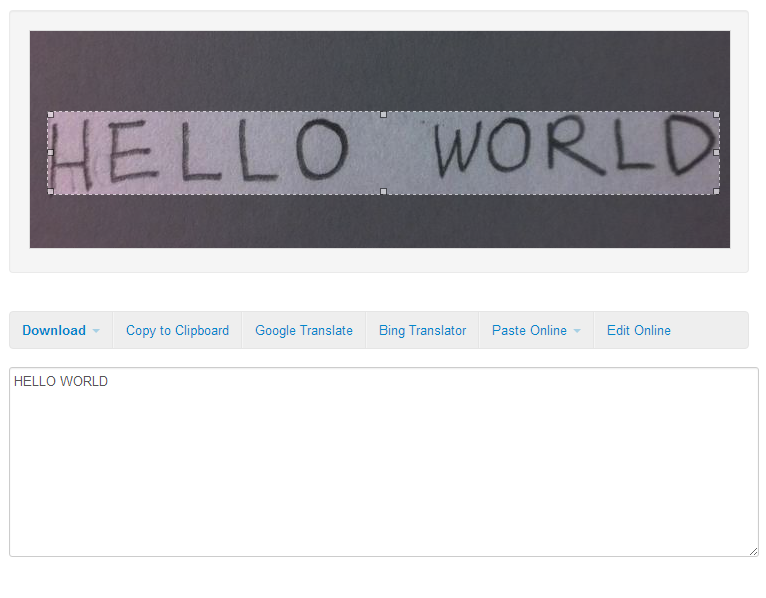
The goal isn't just to extract words, but to preserve the structure of the information. A logical proof's meaning is tied to its layout, indentation, and the precise symbols used. A misplaced negation symbol (¬) or an arrow (→) mistaken for a hyphen can completely alter the meaning of an argument. This is why a simple text dump isn't enough. We need a format that captures both the content and its structure.
From PDF to Structured Data
Once you have the raw text from an OCR tool or a digital PDF, the next step is to structure it. A great intermediate format for this is Markdown, a lightweight markup language that uses plain text formatting syntax. It's easy for humans to read and write, but it also contains structural information that a program can parse.
Using Markdown, you can define headers, lists, bold text, and, most importantly for logic, preformatted code blocks that preserve the exact spacing and layout of a proof.
For example, a formal proof extracted from a textbook could be represented cleanly inside a Markdown code block. This ensures that every line, indent, and symbol is maintained exactly as it appeared in the source, preventing any loss of meaning during the transition from page to program.
1. P → Q      (Premise)
2. P            (Premise)
3. Q            (1, 2, Modus Ponens)
The Human in the Loop
Automated extraction is powerful, but it's rarely perfect. This is especially true with the specialized symbols used in formal logic. OCR software might confuse a universal quantifier (∀) with the letter 'A' or misinterpret a biconditional arrow (↔). These small errors can have huge consequences for an AI trying to learn logical rules.
This is where manual text cleaning becomes essential. After the automated conversion, a human must review the output to find and fix errors. This process, often called "data curation," ensures the AI is learning from high-fidelity, accurate information. A little bit of human oversight at the beginning prevents the AI from learning flawed patterns, which would be much harder to correct later on.
| Symbol | Common OCR Error | Correct Representation |
|---|---|---|
| → | -> or - > | → or $\rightarrow$ |
| ↔ | <-> | ↔ or $\leftrightarrow$ |
| ∧ | ^ | ∧ or $\land$ |
| ∨ | v | ∨ or $\lor$ |
| ∀ | V or A | ∀ or $\forall$ |
| ∃ | E | ∃ or $\exists$ |
| ¬ | ~ or - | ¬ or $\neg$ |
Think of this cleaning step as proofreading before a final exam. By ensuring the source material is perfect, you give the AI the best possible chance to learn correctly and build a robust understanding of logical reasoning.
Why is it essential to convert a logic textbook into clean, digital text before an AI can learn from it?
What is the primary challenge when using Optical Character Recognition (OCR) on a logic textbook that is less of a concern with a standard novel?
With clean, structured text, the AI now has the raw material it needs to begin its learning journey.