Mastering Agriculture Management and Operations
Strategic Farm Financials
Beyond the Ledger
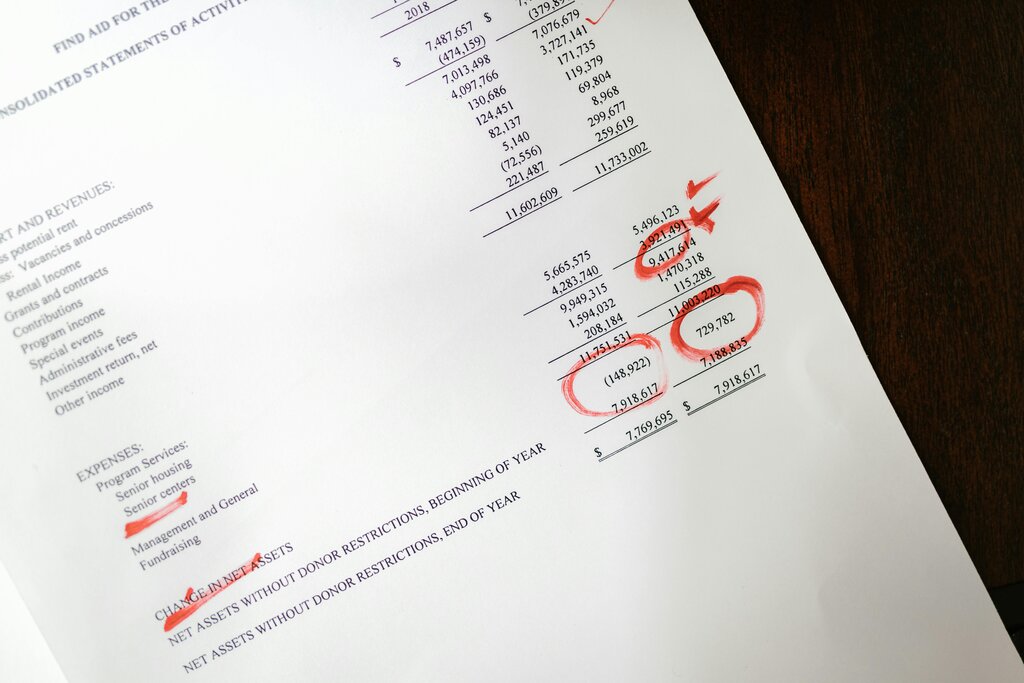
Moving beyond daily record-keeping is the key to strategic farm management. While a ledger tracks money in and out, professional financial statements tell the story of your business's health. They provide a structured snapshot of your financial position, helping you make informed decisions rather than guessing.
The three core documents are the balance sheet, the income statement, and the statement of cash flows. The balance sheet shows what you own (assets) and what you owe (liabilities) at a single point in time. The income statement summarizes your revenues and expenses over a period, revealing your profitability. The cash flow statement tracks the actual movement of cash, showing where your money came from and where it went.
Cash vs. Accrual Accounting
How you record transactions is as important as what you record. The two primary methods are cash and accrual accounting. Cash accounting is simple: you record income when you receive the money and expenses when you pay them. If you sell grain in December but don't get the check until January, a cash-based system records that income in January.
Accrual accounting offers a more accurate picture of profitability. It records income when it's earned and expenses when they're incurred, regardless of when cash changes hands. In the grain sale example, the revenue is recorded in December when the sale was made. This method matches revenues to the expenses that generated them, providing a clearer view of performance for a specific period. While more complex, many lenders prefer accrual-based statements because they smooth out the lumpiness of farm cash flows and adhere to Generally Accepted Accounting Principles (GAAP).
| Feature | Cash Accounting | Accrual Accounting |
|---|---|---|
| Income Recorded | When cash is received | When revenue is earned |
| Expense Recorded | When cash is paid | When expense is incurred |
| Complexity | Simpler | More complex |
| Accuracy | Less accurate for profitability | More accurate for profitability |
| Use Case | Common for tax purposes | Preferred for management & loans |
Measuring Financial Health
Financial statements are the source material for powerful analysis. By calculating a few key ratios, you can assess your farm's health in three critical areas: liquidity, solvency, and profitability.
Liquidity measures your ability to meet short-term obligations without disrupting the farm's normal operations. Can you pay your bills for seed, fuel, and feed on time? The Current Ratio is a primary indicator here.
Solvency reflects your ability to pay all your debts if you were to sell the farm. It's a measure of your business's ability to survive long-term financial stress. High debt relative to assets can indicate significant risk. The Debt-to-Asset ratio is the classic solvency measure.
Profitability measures how effectively your farm generates profit from its assets and resources. It's the ultimate indicator of financial success. The most common measure is Net Farm Income, which is the foundation for understanding your operation's bottom line.
Smart Investment Decisions
These financial metrics aren't just for annual checkups; they are essential tools for making strategic decisions. Consider the purchase of a new combine. Is it a wise investment or a financial burden? Your liquidity ratios will tell you if you can handle the down payment and loan servicing without straining your cash flow. Your solvency ratios will show how the new debt impacts your farm's overall financial risk.
This process of evaluating major purchases is called capital budgeting. It involves forecasting the potential returns of an investment against its costs. By analyzing your financial statements, you can project how a new piece of equipment might increase efficiency and yields, and then weigh that against the debt load. This rigorous approach separates successful farm managers from the rest, turning financial data into a roadmap for growth.
Strong financial analysis also empowers you to have productive conversations with lenders about debt restructuring. If your statements show a solid solvency position but tight liquidity, you can make a compelling case for refinancing loans to improve your cash flow. Ultimately, mastering these financial tools transforms farming from a way of life into a resilient, profitable business.
Which financial statement provides a snapshot of what a farm owns (assets) and what it owes (liabilities) at a single point in time?
A farmer sells grain in December but doesn't receive the payment until January. Using the accrual accounting method, in which month should the revenue be recorded?