Mastering Agentic Workflows in AI Native Applications
Agentic Workflows
From Instructions to Intent
Traditional automation is like a very literal assistant. You provide a detailed, step-by-step list of instructions, and it follows them exactly. If a step is missing or something unexpected happens, the process grinds to a halt.
Agentic workflows are different. They operate on intent. Instead of giving the AI a list of commands, you give it a goal. The AI agent then figures out the necessary steps, chooses the right tools for the job, and executes the plan on its own. It's the difference between telling someone, “Open the spreadsheet, copy cell B2, paste it into the document,” and saying, “Update the quarterly report with the latest sales numbers.”
Unlike traditional AI tools that simply respond to prompts, agentic systems can plan multi-step workflows, make autonomous decisions, and execute complex tasks with minimal human oversight.
This ability to plan, reason, and act autonomously is what makes agentic workflows a cornerstone of modern AI-native applications. They can handle complexity and adapt to changing conditions in a way that rigid, pre-programmed automation simply can't.
Workflows in the Wild
The applications for agentic workflows span nearly every industry. They excel at automating complex, multi-step processes that traditionally required significant human coordination.
-
E-commerce: An agent can manage the entire refund process. When a customer initiates a return, the agent verifies the purchase, generates a shipping label, schedules a pickup, tracks the returned item, inspects it upon arrival, and processes the refund to the customer's account. It can even update inventory systems automatically.
-
Financial Services: Imagine an agent tasked with client onboarding. It can run background checks, verify identity documents through various services, check for compliance with regulations like Know Your Customer (KYC), and set up the new account across multiple internal systems. This reduces a process that once took days down to minutes.
-
Customer Service: A customer reports a technical issue. An agentic workflow can first query a knowledge base for a solution. If that fails, it can run diagnostics by connecting to the user's device (with permission), analyze the results, and create a support ticket with all the relevant data pre-filled for a human technician. It might even be able to solve common problems on its own.
In each case, the AI agent isn't just performing a single action. It's managing a sequence of tasks, interacting with different systems, and making decisions to move toward a final goal.
Connecting to the Enterprise
For agentic workflows to be truly useful, they must connect to the tools and systems a business already uses. This is where the integration of agents with enterprise systems becomes critical.
AI agents are designed to use tools, and in a business context, these tools are often APIs (Application Programming Interfaces). An API is a way for different software applications to talk to each other. By giving an AI agent access to the right APIs, you empower it to work within your existing infrastructure.
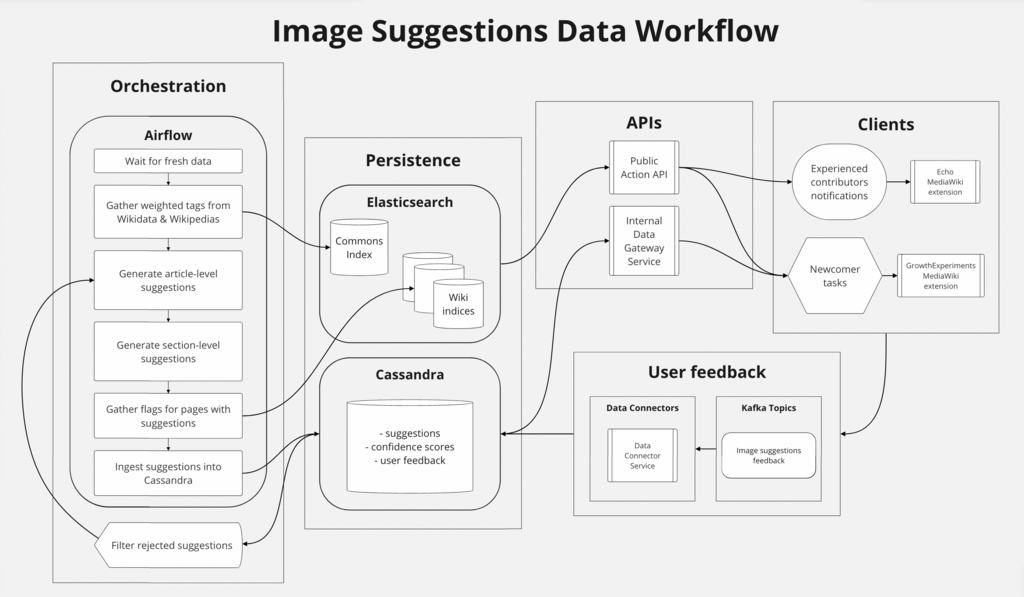
For example, an agent could be given access to:
- A CRM (Customer Relationship Management) API: To look up customer details or create new support tickets.
- An inventory management API: To check stock levels or update product counts.
- A calendar API: To schedule meetings or book resources.
This integration is what transforms an AI agent from a clever chatbot into a productive digital employee. It can read and write data, trigger actions in other systems, and orchestrate processes that span the entire organization. The primary benefit is a massive boost in efficiency. Tasks that were manual, repetitive, and slow become automated, fast, and consistent. This frees up human employees to focus on strategic work that requires creativity and critical thinking, rather than getting bogged down in routine processes.
What is the primary difference between traditional automation and an agentic workflow?
Which of the following requests is the best example of instructing an agentic workflow?
By automating complex workflows, AI agents can streamline operations and unlock new levels of productivity.