Mastering Agentic AI
Introduction to Agentic AI
Beyond the Prompt
We've gotten used to AI that waits for our commands. We ask a question, and a chatbot answers. We give a prompt, and a model generates an image. This is a reactive relationship; the AI acts as a sophisticated tool, responding to specific instructions.
Agentic AI is different. Instead of just responding to a prompt, an agentic system is given a goal. It then figures out the steps needed to achieve that goal on its own. Think of it as the difference between using a calculator and hiring an accountant. You tell the calculator exactly what numbers to crunch. You tell the accountant your financial goals, and they create a strategy, file your taxes, and manage your investments to get you there.
agency
noun
The capacity of an actor to act independently and to make their own free choices.
This ability to act independently is the core idea. Agentic AI doesn't just process information—it takes initiative. It can plan, execute multi-step tasks, and adapt to new information with minimal human supervision.
Agentic AI represents a fundamental paradigm shift in artificial intelligence, moving from passive, prompt-driven systems to autonomous, goal-oriented agents that can plan, learn, and execute complex tasks with minimal human intervention.
From Reactive to Proactive
The journey to agentic AI has been a long one. Early AI systems were strictly rule-based. Think of a simple chess program from the 1980s. It followed a set of pre-programmed rules about how to move pieces. It couldn't learn or deviate from its instructions.
Then came machine learning and deep learning, which allowed AI to learn patterns from vast amounts of data. This is the technology behind the tools we use every day, like language translation and photo recognition. These models are incredibly powerful, but they are still specialized tools designed to perform a specific task when prompted.
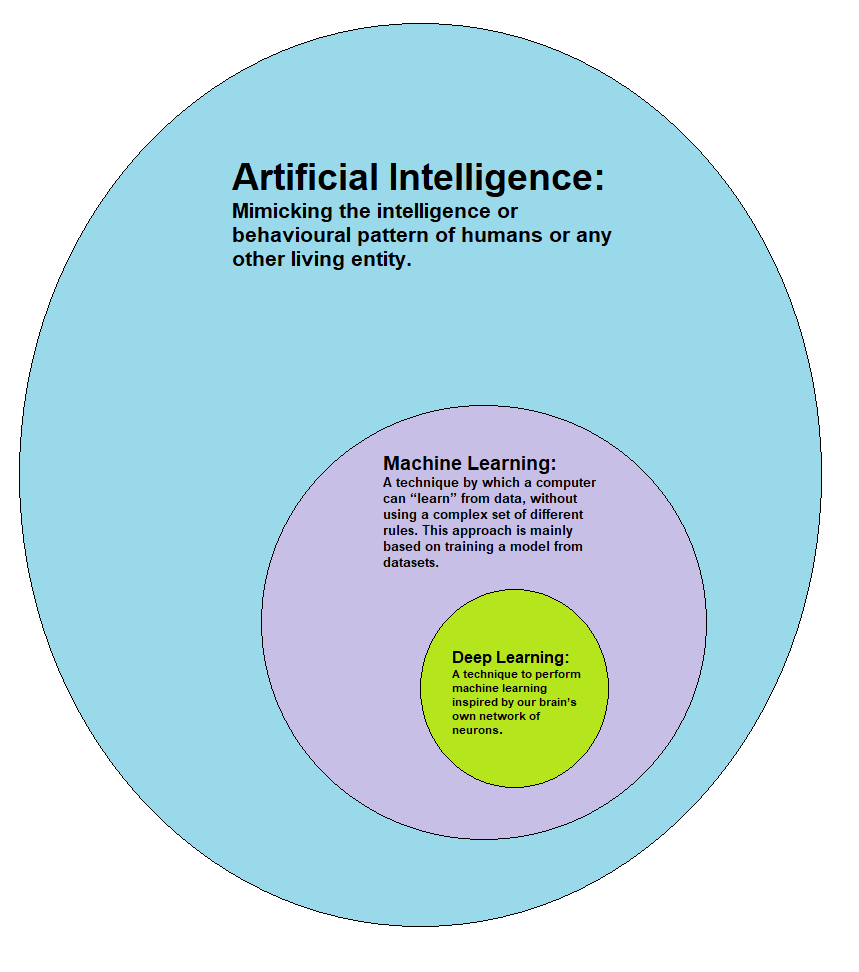
Agentic AI is the next step in this evolution. It combines the pattern-recognition power of modern AI with the ability to reason, plan, and act. This shifts the AI from a passive assistant that answers questions to a proactive partner that helps achieve complex objectives.
The Core Principles
Four key principles distinguish agentic AI from its predecessors. Together, they create a system that can operate independently and effectively in complex environments.
Autonomy: An agentic AI can work on its own. After being given a high-level objective, it can operate without constant human input. It decides what actions to take and when to take them.
Goal-Directed Behavior: The system is focused on an outcome, not just a task. If its goal is to "organize a team offsite event," it will break that down into sub-tasks like finding a venue, checking calendars, booking travel, and creating an itinerary.
Adaptability: The real world is messy. An agentic AI can handle unexpected changes. If a chosen venue is suddenly unavailable, it doesn't just stop. It adapts, searches for new options, and adjusts its plan to stay on track toward the goal.
Transparency: For us to trust these systems, we need to understand their reasoning. Transparency means the AI can explain why it made a certain decision or took a specific action. This allows for effective collaboration and oversight.
Autonomy, goal-orientation, and adaptability are what allow an agentic AI to move from simply processing data to actually getting things done in the world.
The significance of this shift is enormous. Agentic AI has the potential to manage complex logistics, conduct scientific research by forming and testing hypotheses, or act as a personalized tutor that adapts to a student's learning style. It represents a move toward AI that can tackle broad, multi-step problems with the kind of flexible reasoning we usually associate with human expertise.
Ready to test your understanding? Let's see what you've learned about the fundamentals of agentic AI.
What is the primary difference between a reactive AI and an agentic AI system?
An agentic system is tasked with ordering groceries for a recipe. It discovers that avocados are out of stock. Instead of stopping, it finds a suitable substitute like Greek yogurt to complete the recipe's requirements. Which key principle of agentic AI does this action best demonstrate?
This move from reactive tools to proactive agents is a major leap in artificial intelligence, opening up new possibilities for how we work and solve problems.