Mastering Advertising
Introduction to Advertising
What Is Advertising?
At its core, advertising is paid communication from an identified sponsor using mass media to persuade an audience. Think of it as a company paying to send a specific message—like “Our coffee is the best way to start your day”—to a large group of people. The goal is almost always to influence behavior, whether that means buying a product, supporting a cause, or building loyalty to a brand.
Advertising
noun
A marketing communication that employs an openly sponsored, non-personal message to promote or sell a product, service, or idea.
The purpose isn't just to make a sale right now. Good advertising can build a brand's reputation over time, introduce new products to the market, and inform consumers about features or price changes. It's a key part of the larger marketing puzzle, helping businesses connect with potential customers and stand out from the competition.
A Quick Trip Through Time
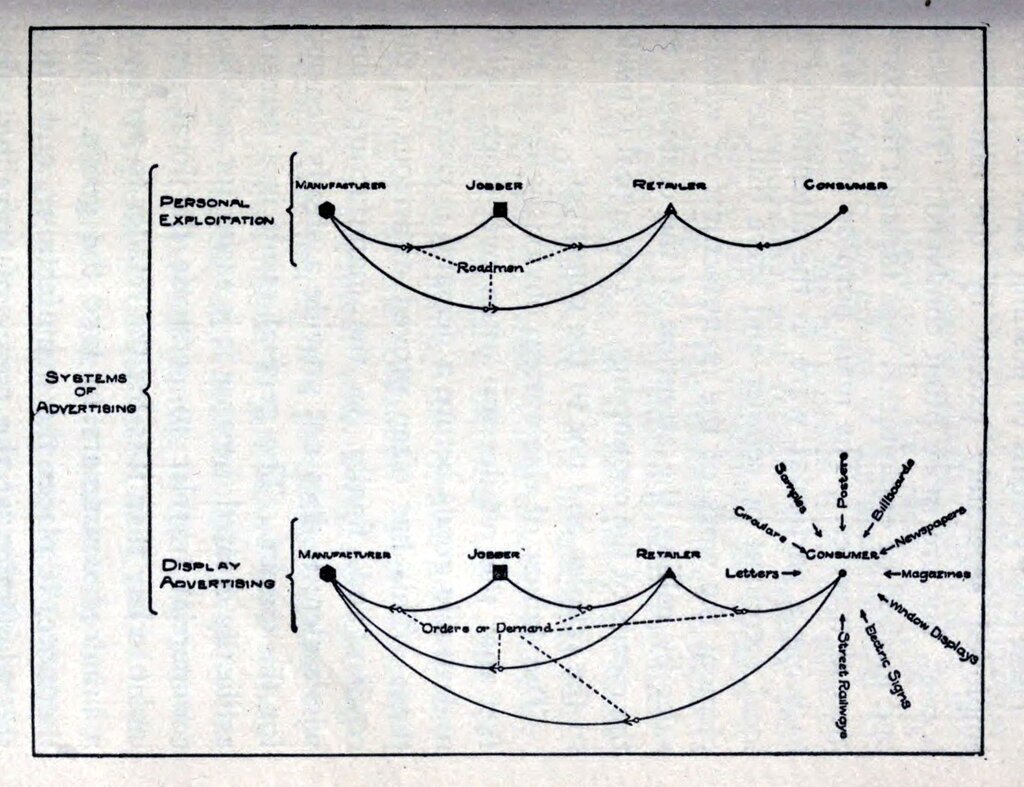
Advertising isn't new. As long as people have had things to sell, they've looked for ways to tell others about them. Ancient Egyptians used papyrus for sales messages, and political campaign ads were found in the ruins of Pompeii. But things really took off with the invention of the printing press in the 15th century, which allowed for the first mass-media ads like flyers and newspaper notices.
The 20th century brought radio and then television, changing the game completely. Suddenly, brands could reach millions of people in their living rooms with sound and moving pictures. The rise of the internet and mobile devices in recent decades has triggered another massive shift, leading to the highly targeted digital ads we see today.
Advertising Everywhere
Ads come in all shapes and sizes, delivered through different channels. We can group them into a few main categories.
| Category | Description | Examples |
|---|---|---|
| Ads appearing in physical publications. | Newspapers, magazines, brochures, flyers. | |
| Broadcast | Ads transmitted over the airwaves. | Television commercials, radio spots. |
| Outdoor | Ads found in public spaces, targeting people on the go. | Billboards, bus shelters, posters, signage. |
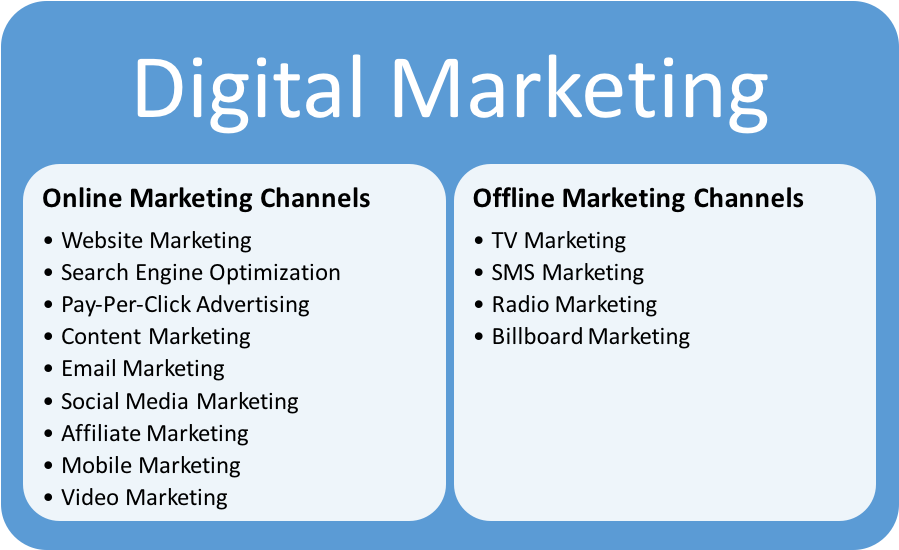
| Digital | Ads delivered through the internet and digital devices. | Social media ads, search engine results, banner ads, video ads. |
Today, many campaigns blend these types. A TV commercial might direct you to a website, where a social media campaign continues the story. This integration is key in the modern advertising landscape.
For businesses, advertising is an engine for growth. It drives sales, builds brand recognition, and helps companies compete. But its role in society is more complex. Advertising funds a lot of the media we consume for free, from news websites to TV shows. It informs us about products and services that might improve our lives.
At the same time, it can promote consumerism, create unrealistic expectations, and raise ethical questions about persuasion and data privacy. Advertising doesn't just sell products; it also reflects and shapes the culture around us.
Which of the following best defines advertising?
What invention in the 15th century was a major turning point for advertising, allowing for the first true mass-media ads?
That covers the fundamentals of what advertising is, how it evolved, and the major forms it takes. It's a powerful tool for business and a constant presence in our daily lives.