Mastering Advanced Vocal Performance
Advanced Vocal Techniques
The Ultimate Breath Control
Mastering the voice goes beyond simply hitting the right notes. It's about controlling every aspect of the sound. One of the most challenging and respected techniques for demonstrating this control is messa di voce, which translates from Italian as "placing the voice."
The exercise is simple in concept but incredibly difficult in practice. A singer sustains a single pitch, starts it as softly as possible (pianissimo), gradually swells the volume to its loudest (fortissimo), and then smoothly diminishes it back to silence. All of this happens on one continuous breath without any wavering in pitch or quality.
Executing a perfect messa di voce requires a seamless connection between breath support, vocal fold vibration, and resonant space.
This technique trains the voice to handle dynamic changes smoothly across its entire range. It's a true measure of a singer's technical skill, blending power with delicate control.
Cutting Through the Sound
Have you ever wondered how an opera singer's voice can soar over a full orchestra without a microphone? The secret is a vocal quality known as squillo.
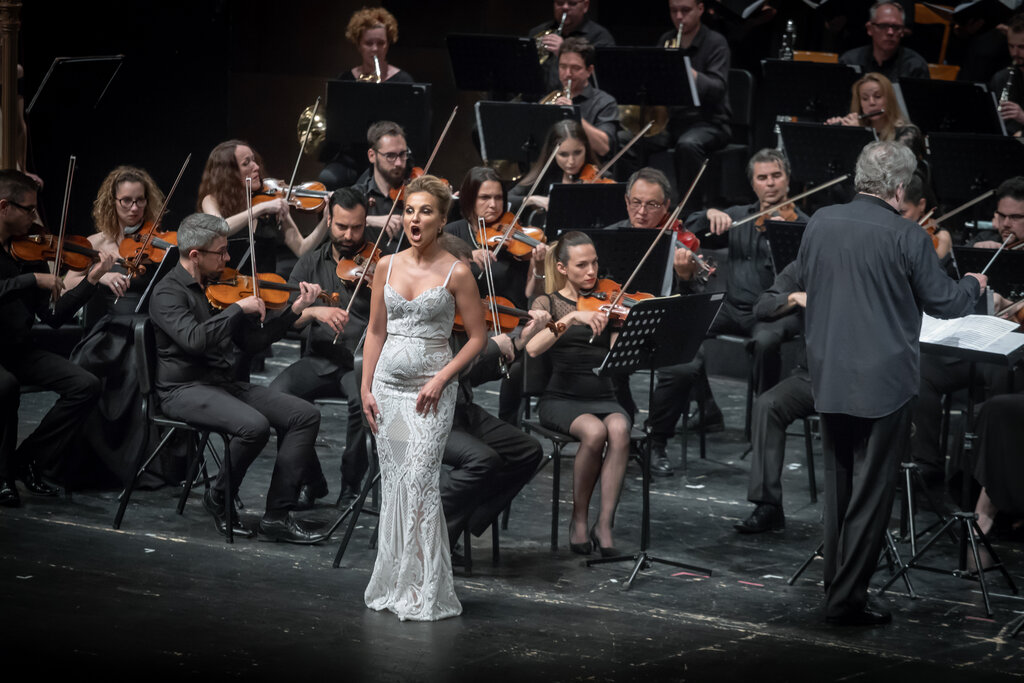
Squillo is the brilliant, ringing, trumpet-like timbre that allows a voice to be heard clearly above other instruments. It’s not just about being loud; it’s about acoustic efficiency. This quality is produced by a specific configuration in the larynx.
Singers learn to narrow the aryepiglottic sphincter, a ring of muscle at the top of the larynx. This action creates a resonating chamber that amplifies a very specific band of frequencies, usually between 2,500 and 3,500 Hz. This frequency range, sometimes called the "singer's formant," happens to be a spot where the orchestra's sound has less energy. The result is a voice that slices through the orchestral texture, reaching the audience with clarity and power.
Singing Two Notes at Once
Perhaps one of the most fascinating advanced vocal techniques is overtone singing. This is the ability to produce two distinct pitches at the same time: a low, steady fundamental note and a high, whistle-like melody above it.
This might sound like a vocal magic trick, but it's based on the physics of sound. Every note your voice produces is actually a composite of a fundamental frequency and a series of higher, quieter pitches called overtones. Overtone singers learn to manipulate the shape of their vocal tract—primarily with the tongue, lips, and pharynx—to isolate and amplify one of these overtones so powerfully that it becomes a second, audible pitch.
Overtone
noun
A musical tone that is a part of the harmonic series above a fundamental note and may be heard with it.
Different tongue positions and mouth shapes bring out different overtones, allowing the singer to create melodies that float above the drone of the fundamental note. Styles of overtone singing are found in various cultures around the world, most notably in Tuva and Mongolia.
Time to check your understanding of these advanced techniques.
What is the primary goal of the messa di voce technique?
How does squillo allow an opera singer's voice to be heard over a full orchestra?
Messa di voce, squillo, and overtone singing represent the pinnacle of vocal control. They require immense practice and a deep understanding of the voice as an instrument, transforming a simple melody into a profound expression of artistry.