Mastering Advanced Poetic Expression
American Gothic Resonance
The American Gothic Resonance
American Gothic literature does more than just tell a scary story. It creates a feeling of unease that sinks into your bones. This isn't about haunted castles or Transylvanian counts. Instead, it finds horror in the vast, indifferent landscapes of the American frontier and the twisted inner lives of its inhabitants.
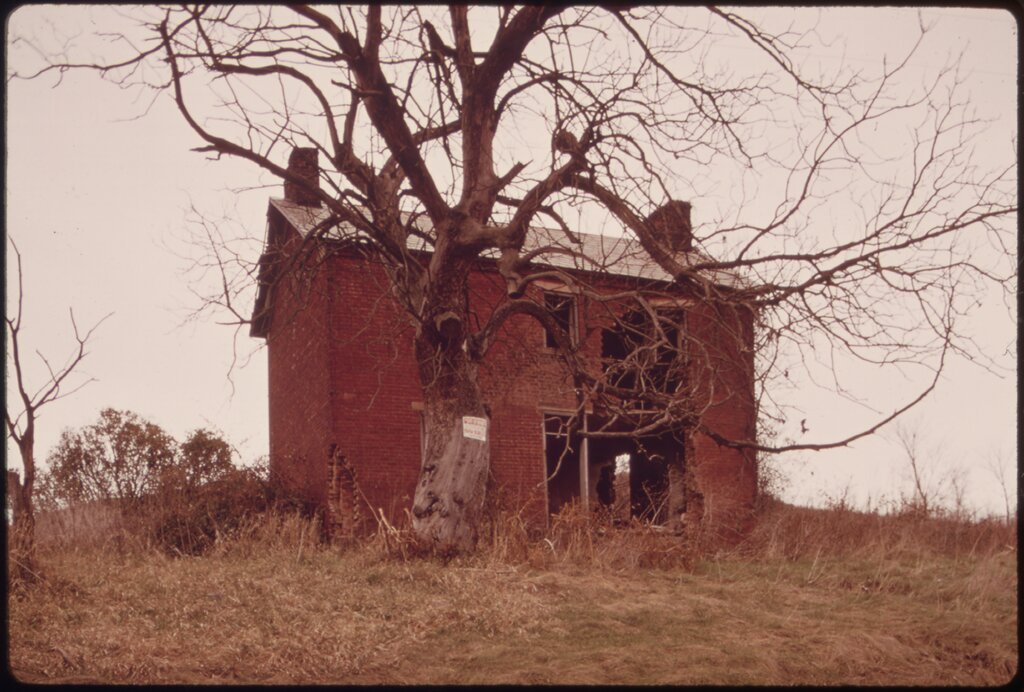
In this tradition, the setting is never just a backdrop; it's an active force. A dust-choked desert, a decaying farmhouse, or a humid, snake-infested swamp becomes a mirror for the characters' moral struggles and psychological states. The land itself seems to exert a pressure, squeezing the humanity out of those who live on it.
Landscape as an Emotional Mirror
Few writers illustrate this better than . His writing often blurs the line between prose and poetry, using sparse, powerful language to paint visceral images of the American West and South. The landscapes in his novels, like Blood Meridian or The Road, are not merely harsh; they are apocalyptic. They are stripped-down, primal worlds that reflect the brutal, survivalist nature of his characters. The external emptiness mirrors their internal desolation.
McCarthy achieves a sense of timelessness through his vocabulary. He often mixes plain, direct descriptions with archaic words and biblical cadences. This style makes the events feel both immediate and ancient, as if they are part of a repeating, inescapable cycle of human violence. The language creates an 'otherness,' pulling the reader into a world that is recognizable but unsettlingly skewed.
The Southern Gothic style emphasizes themes such as social marginalization, the importance of place, the presence of crime and poverty, and an overall feeling of alienation and decay.
The Southern Grotesque
While McCarthy often roams the West, Flannery O'Connor rooted her gothic vision firmly in the American South. She was a master of the Southern Gothic , a style that uses bizarre, distorted, and often disturbing characters to expose deeper truths about society, faith, and morality.
O'Connor's characters are rarely simple villains or heroes. They are morally ambiguous figures struggling with pride, hypocrisy, and a violent, often unasked-for, search for grace. A traveling Bible salesman might be a nihilistic seducer; a pleasant grandmother might be a selfish manipulator. Through these unsettling portraits, O'Connor uses imagery to show moral decay. A rusted car, a dilapidated fence, or an aggressive peacock becomes a symbol for a character's corroded soul or a society's crumbling values.
Both McCarthy and O'Connor show us that in American Gothic, the environment is never passive. The desolate landscapes and decaying settings are not just stages for action, but reflections of a deep-seated spiritual and moral struggle. They create an atmospheric pressure that shapes the story, revealing the unsettling truths that lurk beneath the surface of ordinary life.
According to the text, what is the primary function of the setting in American Gothic literature?
Which literary technique is characteristic of Cormac McCarthy's writing style, as described in the passage?