Mastering Advanced Loss Control Strategies
Loss Prevention and Reduction
Before and After the Event
In risk management, timing is everything. Once you've identified the perils and hazards facing your organization, the next step is to control potential losses. These controls fall into two main categories based on when they are applied: before a loss event occurs, or after it has already started.
Think of it like protecting a building from fire. You can install a state-of-the-art sprinkler system, which is a post-loss control. It does nothing to prevent a fire from starting, but it drastically reduces the damage once the flames appear. Or, you can enforce strict rules about storing flammable materials and conduct regular electrical inspections. These are pre-loss controls designed to stop the fire from ever igniting.
Loss prevention focuses on the frequency of loss events. It's about breaking the chain of events that leads to a negative outcome. Loss reduction, on the other hand, targets the severity of a loss. It accepts that an event might happen but aims to limit the financial, physical, or reputational damage when it does.
Risk reduction is the implementation of controls to reduce potential hazards.
Stopping It Before It Starts
Loss prevention is fundamentally proactive. Its goal is to reduce the probability of a loss to zero, or as close to it as is reasonably possible. This involves identifying the root causes of potential incidents and implementing measures to eliminate or control them.
A classic example is preventative maintenance on machinery. A factory might schedule regular servicing of its equipment to replace worn parts before they can fail and cause a production shutdown. This is a direct attempt to prevent the loss event, a machinery breakdown, from happening. Other examples include employee safety training, which aims to prevent workplace accidents, and cybersecurity measures like firewalls, which are designed to prevent data breaches.
These are often engineering controls, which involve modifying the physical environment or equipment. A machine guard that prevents a worker's hand from entering a dangerous area is an engineering control. It physically stops the accident from occurring. Similarly, separating flammable chemicals in a warehouse is a simple but effective prevention technique.
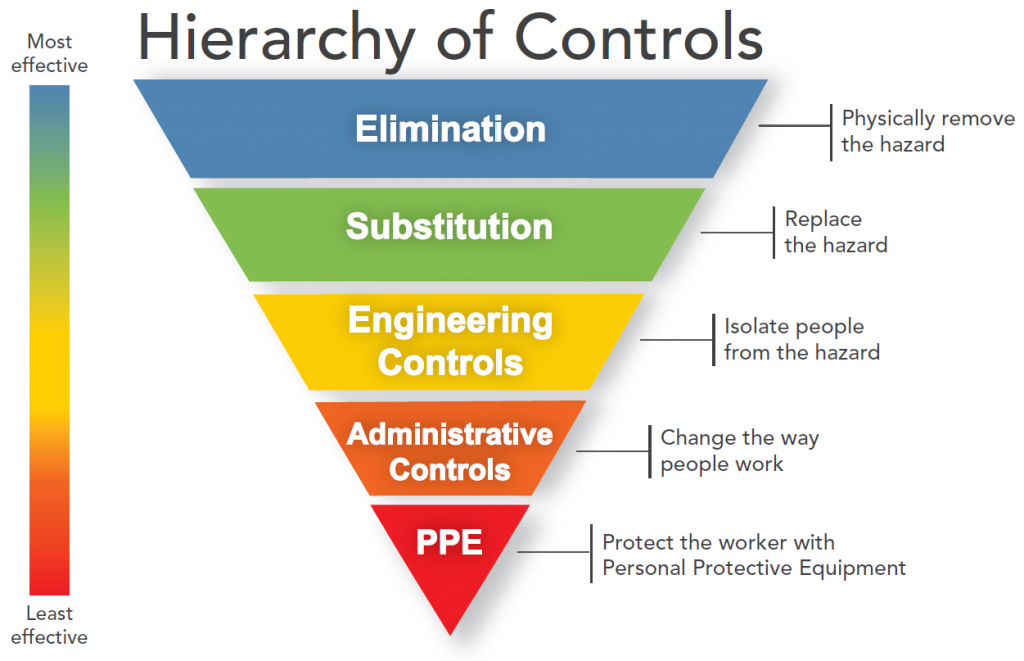
The key is that loss prevention activities take place before any incident. They interrupt the causal chain. No fire, no flood, no accident. The investment is made upfront with the goal of avoiding a future cost entirely.
Limiting the Damage
Loss reduction, in contrast, is a planned reaction. It operates on the assumption that despite our best prevention efforts, some losses will inevitably occur. The goal here is to minimize the severity of the loss once it has begun.
Think back to the building fire. Sprinkler systems are a perfect example of loss reduction. So are fire extinguishers, emergency exits, and a well-rehearsed evacuation plan. These measures don't stop the fire from starting, but they contain it, save lives, and reduce the ultimate cost of the damage. An automated shut-off system that detects a leak and immediately stops the flow of water in a pipe is another great example. The leak (the loss event) has already occurred, but the system prevents a small drip from becoming a catastrophic flood.
This is where emergency response planning becomes critical. Having a clear, practiced plan in place ensures that when a loss event happens, the reaction is swift, efficient, and effective. It's the difference between a controlled shutdown and a full-blown crisis. These plans can be simple, like having first-aid kits readily available, or incredibly complex, like a data center's disaster recovery protocol that shifts operations to a backup site within minutes of a power failure.
Loss reduction accepts that a loss has started. Its sole purpose is to keep a bad situation from getting worse.
Another form of loss reduction is salvage. After a warehouse fire, a company might hire a team to recover and clean any undamaged inventory. This action reduces the final financial hit by reclaiming value from the damaged assets.
The Cost-Benefit Balancing Act
Deciding between prevention and reduction often comes down to a cost-benefit analysis. A company must weigh the cost of implementing a control against the potential savings from avoiding or reducing a loss. It's not always a simple calculation.
Imagine a chemical plant trying to prevent a hazardous spill. A top-of-the-line prevention system, with advanced sensors and redundant pipes, might cost $5 million. This system could reduce the probability of a major spill to nearly zero.
Alternatively, a robust loss reduction system, including containment dikes, automated shut-off valves, and an on-site emergency response team, might cost $1 million. This system won't prevent a spill, but it could limit the damage to $500,000, instead of a potential $50 million environmental cleanup and fine.
Which is the better choice? The analysis must consider the probability of the spill occurring. If a spill is extremely unlikely, the expensive prevention system may not be justifiable. But if smaller spills are frequent, the reduction system might be overwhelmed. The optimal strategy often involves a mix of both.
Ultimately, these controls directly impact a firm's financial statements. An effective prevention program reduces unexpected expenses and improves profitability over the long term. A solid reduction plan protects assets on the balance sheet and can prevent a single event from causing insolvency. A smart risk manager uses a balanced portfolio of both strategies to create a resilient organization.
Time to test your knowledge on these crucial risk control strategies.
What is the primary goal of loss prevention?
A company installs an automated sprinkler system in its warehouse. This is an example of:
By understanding the difference between stopping losses before they happen and minimizing them after they start, you can make more strategic decisions to protect an organization's assets and future.