Mastering Advanced Interpersonal Dynamics
Emotional Intelligence Mapping
Beyond Hearing Words
In high-stakes professional conversations, what isn't said is often more important than what is. People communicate their true positions through subtle cues, hesitations, and underlying emotions. Going beyond basic active listening means mapping these hidden signals to understand the complete picture. This is where an becomes a critical tool. It’s a framework for deconstructing a person's experience into four key areas.
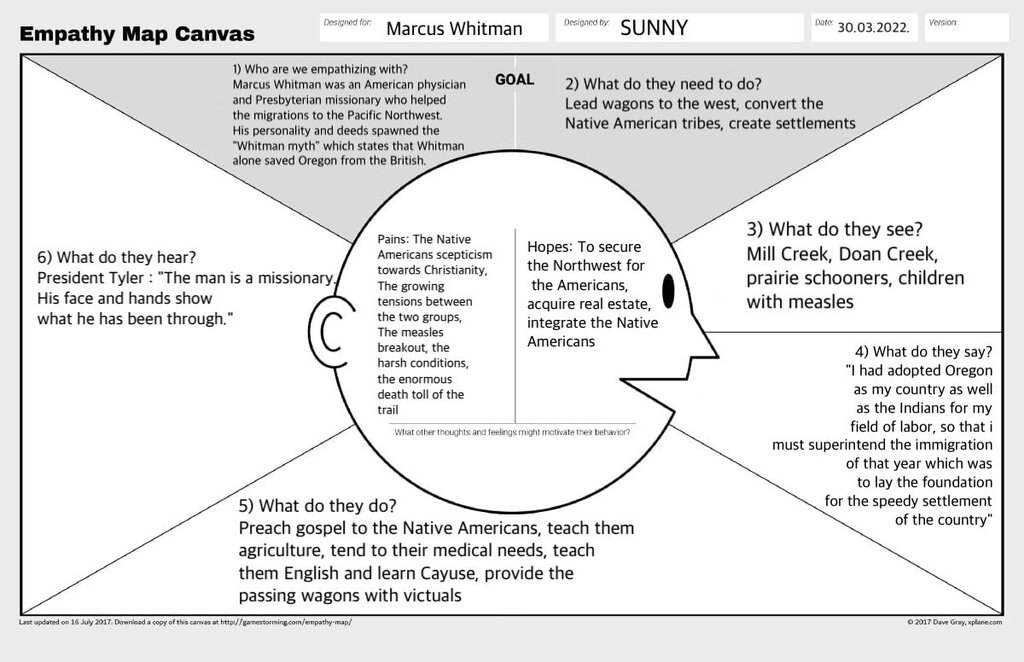
The map is divided into four quadrants: Says, Thinks, Does, and Feels. This structure forces you to look past the surface-level conversation and build a more complete psychological profile of your audience.
- Says: This is the easiest part. It's the literal words someone uses. Document direct quotes, key phrases, and stated opinions.
- Does: What actions does the person take? This is about their observable behaviour. Do they fidget? Check their phone? Take detailed notes? Their actions often reveal priorities or anxieties their words might hide.
- Thinks: This quadrant requires inference. Based on their words, actions, and body language, what might be going on in their head? What are their beliefs, motivations, or the unasked questions they're holding back?
- Feels: Here, you identify the underlying emotions. Are they frustrated, anxious, optimistic, or defensive? Look for tone of voice, facial expressions, and word choice that signal their emotional state.
The goal isn't just to collect data, but to spot the contradictions. When what someone says doesn't match what they do or what you infer they feel, you've found a point of tension or a hidden need.
Uncovering Latent Needs
Let's apply this. Imagine a key project has missed a deadline. You're speaking with a senior stakeholder, Priya.
Priya says, "It’s fine, these things happen. Just give me a revised timeline when you have it." But as she speaks, she does cross her arms and avoids eye contact. Her tone is flat.
What might she be thinking? Probably something like, "This is the third delay. I look incompetent to my boss now. Can I even trust this team?" And what is she feeling? Likely anxious, frustrated, and maybe even embarrassed.
Her stated need is a new timeline. But her are for reassurance, control, and a demonstration of competence. Simply sending an updated schedule won't address her real concerns. Instead, you need to provide a timeline along with a clear plan for how you'll prevent future delays. You need to address the unspoken emotion.
Recognising these gaps helps you spot emotional triggers. A trigger is a word, topic, or situation that elicits a strong, often negative, emotional reaction. For Priya, the topic of timelines is now a trigger. Mentioning it without a solid plan will likely provoke a defensive response. By mapping her likely thoughts and feelings, you can anticipate this and prepare a message that defuses the tension instead of escalating it.
Building Rapport with Empathy
Once you have a profile of your audience's internal state, you can align your communication style to build trust. Two powerful techniques for this are mirroring and labeling.
Mirroring is subtly repeating someone's last few words back to them as a question. It encourages them to elaborate and shows you're paying close attention.
- Priya: "I'm just concerned about the impact on the client."
- You: "The impact on the client?"
Labeling involves naming the emotion you're observing. This demonstrates understanding and validates their feelings. This is a core component of what former FBI negotiator Chris Voss calls .
It seems like you're frustrated with the delays. It sounds like you're worried about how we look to the client. It feels like you're under a lot of pressure right now.
When you label Priya's anxiety about the client, you're not agreeing that the situation is a disaster. You're simply showing her that you see and understand her perspective. This act of validation lowers defenses. It shifts the conversation from a confrontation to a shared problem-solving session. Her mind moves from "They don't get it" to "Okay, they understand my concern. Now, what's the solution?"
By mapping what stakeholders say, do, think, and feel, you can craft messages that resonate with their unspoken needs and navigate difficult conversations with confidence.
What is the primary purpose of using an Empathy Map in a professional conversation?
A stakeholder says, "The budget is tight," but you notice they are tapping their pen and looking at their notes instead of you. In an Empathy Map, which quadrant would you use to record the pen-tapping and lack of eye contact?