Mastering Advanced DIY Craftsmanship
Advanced Timber Joinery
Beyond Nails and Glue
You've moved past simple butt joints and can glue up a panel with the best of them. Now, it's time to build things that last for generations. The key isn't more glue or bigger fasteners; it's understanding how to make wood join itself. This is the world of mechanical joinery, where precisely cut, interlocking parts create structures that are stronger and more beautiful than any hardware could achieve.
At this level, we stop fighting the wood and start working with its nature. Wood is not a static material. It breathes, expanding and contracting with the seasons. A well-executed joint anticipates this movement, allowing the wood to shift without breaking the connection. This is the difference between a table that lasts a decade and one that becomes an heirloom.
They use joinery that ages with grace—mortise and tenon, dovetails, wedged through-tenons—so the structure strengthens under tension and compression instead of relying solely on screws or glue blocks.
The Workhorse: Mortise and Tenon
The mortise and tenon is one of the oldest and most trusted joints in woodworking. It consists of two parts: the mortise, which is a slot or hole cut into one piece of wood, and the tenon, a corresponding tongue on another piece designed to fit snugly into the mortise. It's the fundamental joint for building frames, from doors and windows to chairs and tables.
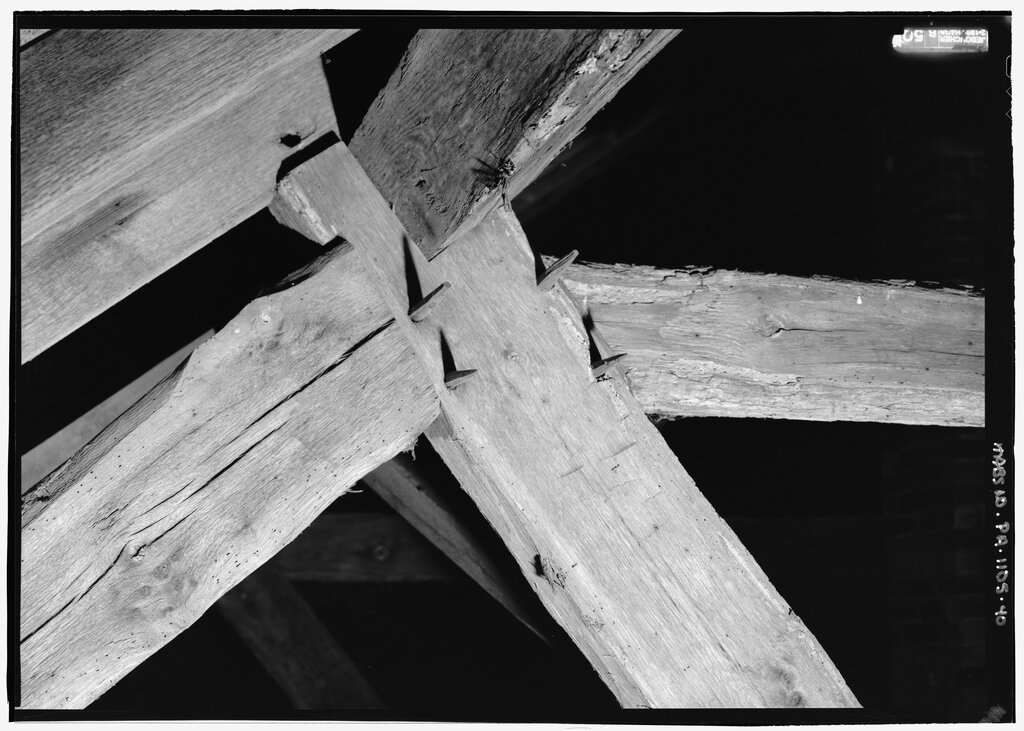
There are two main variations you'll use:
-
Through Mortise and Tenon: The tenon passes completely through the mortised piece. This is incredibly strong, especially if you add wedges or a peg (a draw-bored tenon) to lock it in place. The visible end grain can be a beautiful design feature, showcasing the craftsmanship.
-
Blind Mortise and Tenon: The tenon stops partway through the mortised piece, so the joint is hidden. This offers a cleaner look, perfect for modern furniture where you want the focus on the lines of the piece, not the joinery. While still very strong, it lacks the ultimate mechanical lock of a wedged through tenon.
Choosing between them depends on the piece's demands. For a chair's leg-to-apron joint, which endures constant racking forces, a through tenon is a superior choice. For a cabinet door frame, where aesthetics are paramount and the stresses are lower, a blind tenon is ideal. Precision is key. A loose fit is weak, and a fit that's too tight can split the wood when glue is applied or humidity rises. This is where calipers become essential for measuring the parts to within fractions of a millimetre.
Dovetails and Wood Movement
The dovetail joint is another classic, renowned for its mechanical strength and beauty. The series of interlocking pins and tails makes it incredibly resistant to being pulled apart, which is why it's the gold standard for drawer construction and box corners.
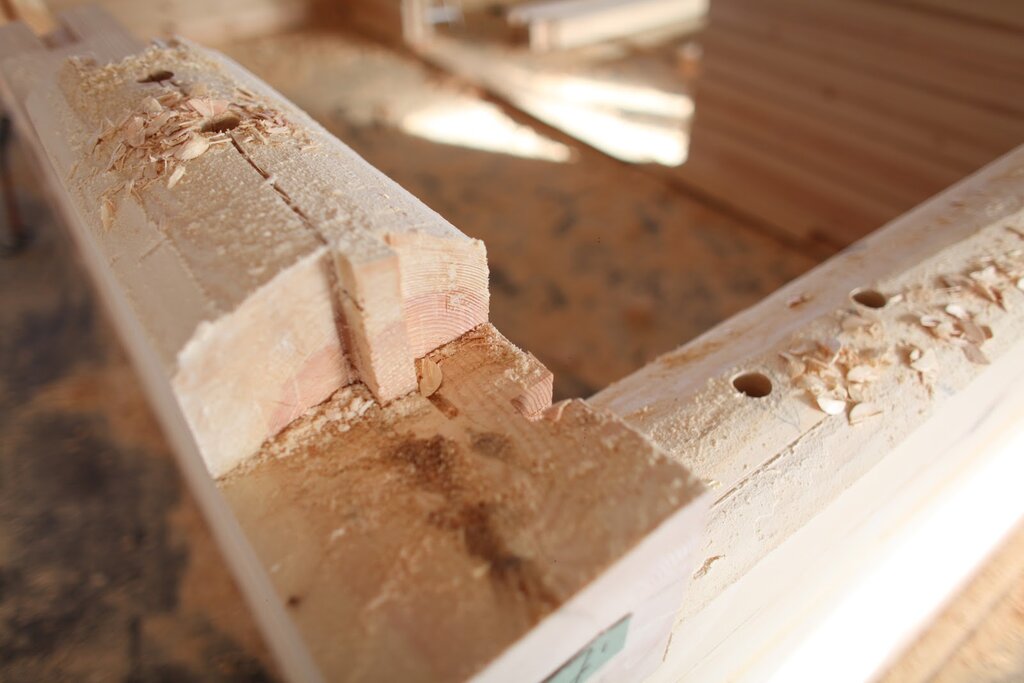
The decision between often comes down to style and efficiency. Machine-cut dovetails, made with a router and a jig, are perfectly uniform and fast to produce. Hand-cut dovetails have a unique character, with slight variations that signal human touch. They also allow for variable spacing and pin size, which can be more aesthetically pleasing and structurally optimised for the specific application.
More importantly, proper dovetail construction requires a deep understanding of wood movement. Wood expands and contracts significantly across its grain, but very little along its length. A drawer front and side, for example, must have their grain oriented correctly so that they expand and contract together. If you join end grain to long grain, the joint will eventually fail as one piece moves and the other doesn't.
Choosing the Right Joint
Selecting the right joint is a matter of engineering. You must consider the forces that will act on the finished piece. Will it be under tension (pulled apart), compression (pushed together), or shear (racking side-to-side)? A good joint is designed to counter these specific forces.
| Application | Primary Force | Best Joint Choice | Why It Works |
|---|---|---|---|
| Chair Leg to Seat Rail | Shear (Racking) | Mortise and Tenon | The large glue surface and mechanical interlock resist twisting and side-to-side movement. |
| Drawer Front to Side | Tension (Pulling) | Dovetail | The interlocking pins and tails provide excellent resistance against being pulled apart. |
| Bookshelf into Side | Compression (Weight) | Dado or Housing Joint | The shelf is supported along its entire depth, distributing the downward force evenly. |
| Table Top to Apron | Wood Movement | Buttons or Z-Clips | These allow the wide tabletop to expand and contract across its grain without splitting the wood or breaking the frame. |
When gluing up, you also have to account for glue expansion. A joint that is too tight before glue-up can become a hydraulic nightmare. The pressure from the glue can split the wood. It's crucial to leave a small tolerance, just enough for the glue to form a thin, strong film without exerting excessive force. This is where practice and precision measurement give you an intuitive feel for the perfect fit.
What is the primary advantage of using mechanical joinery, like mortise and tenons, over simpler methods like butt joints with screws for heirloom-quality furniture?
You are building a sleek, modern cabinet where you want the joinery to be invisible from the outside for a clean look. Which type of mortise and tenon joint should you use?
Mastering these joints elevates your work from simple construction to true craftsmanship. It's a journey of precision, patience, and a deep respect for the material itself.