Mastering Advanced Business Growth
AI-Driven Market Analysis
Supercharging Market Analysis
You already know how to analyze a market. You can track competitors, survey customers, and build forecasts. But in today's world, the sheer volume of data is overwhelming. Customer opinions, competitor moves, and market shifts are happening constantly across thousands of sources. This is where artificial intelligence moves from a buzzword to a practical tool.
AI doesn't replace market analysis; it enhances it. It automates the tedious work of data collection and finds patterns that are invisible to the human eye. Instead of working with snapshots in time, like a quarterly report, AI offers a live feed of the market.
Think of it this way: traditional analysis is like taking a photo. AI-driven analysis is like watching a live video stream, complete with a co-pilot pointing out things you might miss.
AI systems can be set up to constantly monitor sources across the web. This includes news sites, social media platforms, industry forums, and even public financial records. Using Natural Language Processing (NLP), these tools can understand the sentiment and context of millions of conversations, reviews, and articles. This automated collection frees you up to focus on strategy instead of data entry.
From Hindsight to Foresight
The most significant shift AI brings to market analysis is the move from being reactive to proactive. Predictive analytics uses machine learning models to forecast future outcomes based on historical and real-time data. It's the difference between reporting on last month's sales and predicting next month's demand with a high degree of accuracy.
By analyzing vast amounts of data in real time, AI detects hidden patterns, predicts demand, and helps businesses make smarter, data-driven decisions.
These models don't just look at your internal sales data. They can integrate dozens of external variables that influence consumer behavior, such as economic indicators, weather forecasts, competitor pricing changes, and even local events. This allows for incredibly nuanced demand forecasting. For example, a beverage company could use AI to predict a spike in demand for iced tea in a specific city by correlating local weather forecasts, social media chatter about a heatwave, and historical sales data for that region.
A Clearer View of Customers and Competitors
Traditional customer segmentation often relies on broad demographic categories like age, location, and gender. AI allows for a much more sophisticated approach called dynamic segmentation. By analyzing browsing behavior, purchase history, and social media activity, AI can group customers based on their actual interests, habits, and intent.
This creates highly specific segments, such as "price-sensitive researchers who browse on mobile after 9 PM" or "brand-loyal early adopters interested in sustainability." This level of detail allows for marketing and product development that feels genuinely personal.
Similarly, AI transforms competitor analysis from a manual, periodic check-up into a continuous, automated process. AI tools can track competitors' pricing changes in real time, monitor their new feature launches, analyze the sentiment of their customer reviews, and even identify shifts in their marketing strategy. This provides an always-on stream of competitive intelligence, alerting you to threats and opportunities as they emerge.
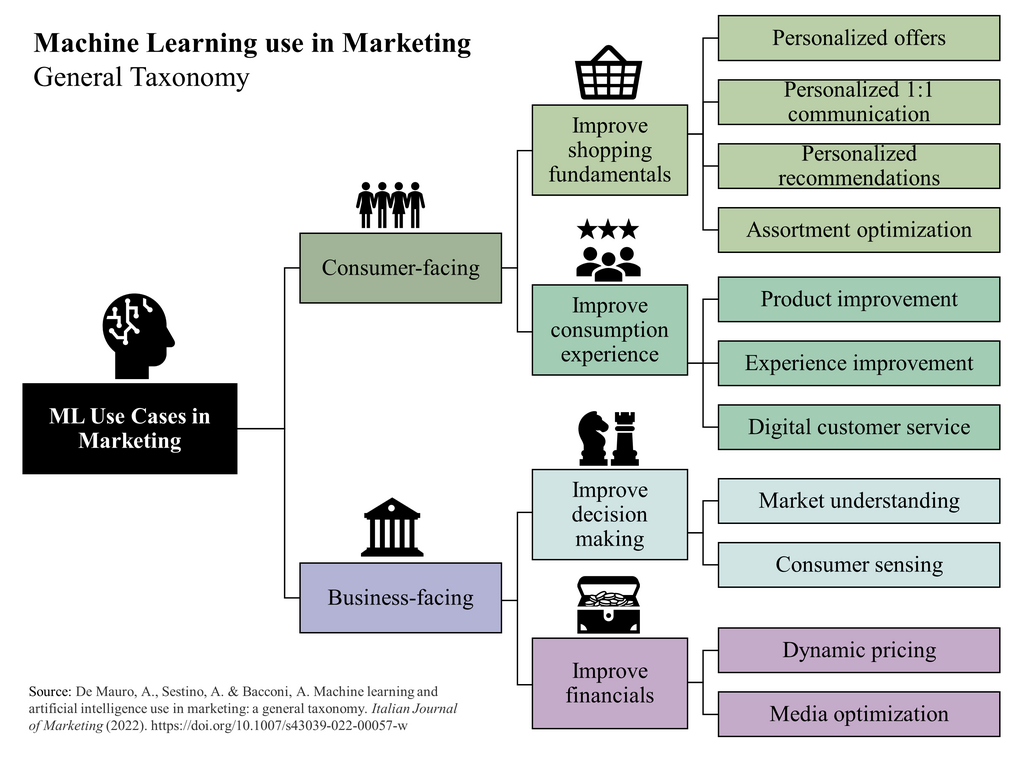
Transitioning to AI-driven market analysis is about leveraging technology to make smarter, faster, and more data-informed decisions. It's about augmenting your expertise, not replacing it.