Mastering Adult Diaper Fit for Leak-Free Confidence
Understanding Incontinence
Understanding Incontinence
Incontinence is the involuntary loss of urine or feces. It's a common medical condition that affects millions of people, of all ages. While it can be challenging to discuss, understanding it is the first step toward managing it effectively.
Incontinence
noun
The involuntary leakage of urine (urinary incontinence) or feces (fecal incontinence). It signifies a loss of control over these bodily functions.
The core issue is a loss of control. The body's systems for storing and releasing waste are complex, involving muscles, nerves, and signals to and from the brain. When any part of this system is disrupted, leakage can occur.
Types of Incontinence
Incontinence is generally categorized into two main types, based on what is being leaked.
Urinary Incontinence: This is the loss of bladder control, resulting in urine leakage. It's the most common type of incontinence.
There are several forms of urinary incontinence. For example, stress incontinence happens when physical pressure is put on the bladder from coughing, sneezing, or lifting. Urge incontinence involves a sudden, intense urge to urinate, followed by an involuntary loss of urine.
Fecal Incontinence: Also known as bowel incontinence, this is the inability to control bowel movements, causing stool to leak unexpectedly from the rectum.
Fecal incontinence is defined as the involuntary loss of rectal contents (feces, gas) through the anal canal and the inability to postpone an evacuation until socially convenient.
Like its urinary counterpart, fecal incontinence can range from occasional leakage of a small amount of stool to a complete loss of bowel control. It's also possible for a person to experience both urinary and fecal incontinence.
Common Causes
Incontinence is a symptom, not a disease itself. It's caused by underlying factors that disrupt the body's ability to control urination or defecation. These causes are varied and can be temporary or long-term.
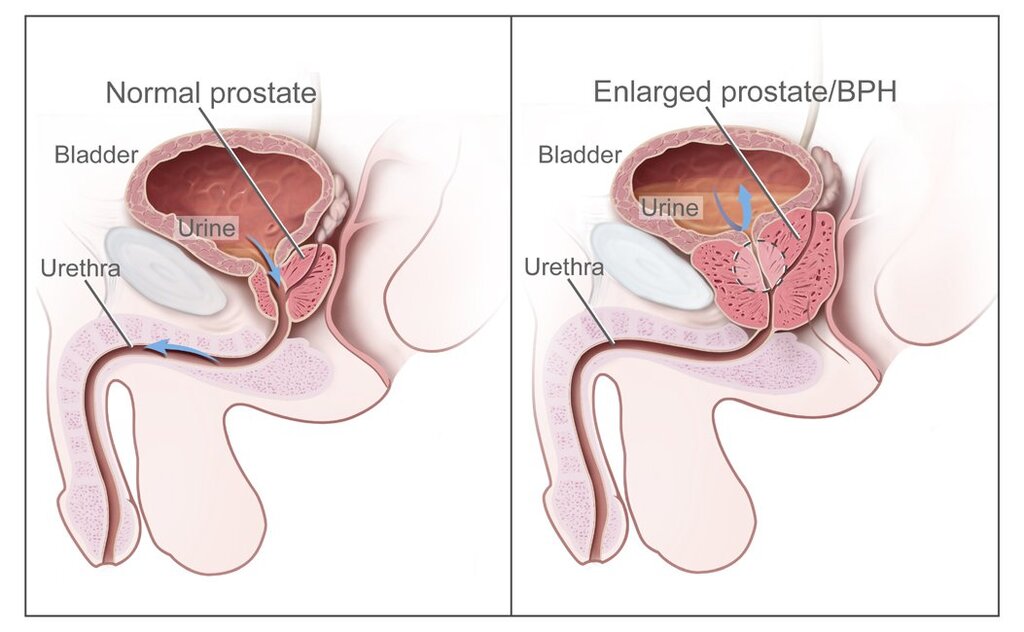
Medical Conditions: Many health issues can lead to incontinence. For men, an enlarged prostate is a common culprit that can obstruct urine flow. Other conditions like urinary tract infections (UTIs), constipation, diabetes, Parkinson's disease, or multiple sclerosis can damage nerves or muscles that control the bladder and bowels.
Age: As we get older, the muscles in the bladder and pelvic floor can weaken. This natural change can reduce the bladder's capacity and its ability to hold urine, making incontinence more common in older adults.
Lifestyle Factors: Certain daily habits can contribute to the problem. Drinking too much caffeine or alcohol can overstimulate the bladder. Smoking can lead to chronic coughing, which puts pressure on the pelvic floor muscles over time. Obesity also increases pressure on the bladder and can weaken supporting muscles.
Understanding these root causes is crucial, as it helps identify the best way to manage the condition. If you experience incontinence, speaking with a healthcare provider is an important step to determine the cause and find the right solution.
Let's check your understanding of these concepts.
What is the core issue behind incontinence?
Leaking urine when you sneeze or cough is a classic example of which type of incontinence?
Knowing the basics of incontinence provides a solid foundation for exploring management options.