Mastering ADR for Dangerous Goods Transport
Introduction to ADR
The Rules of the Road
When you see a truck on the highway with a diamond-shaped placard, you're looking at a system of international cooperation in action. That system is often governed by ADR, the Accord Dangereux Routier. It's a European agreement concerning the international transport of dangerous goods by road.
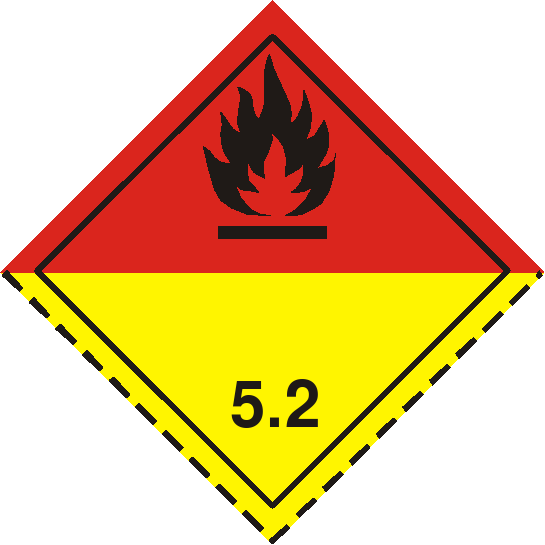
The agreement was first signed in Geneva in 1957. Its primary goal is simple but crucial: to increase the safety of transporting hazardous materials by road. By creating a uniform set of rules, ADR ensures that a truck carrying chemicals from Spain to Poland follows the same safety standards throughout its journey. This prevents confusion at borders and makes sure everyone involved, from the loader to the driver to emergency responders, speaks the same safety language.
The aim of the Regulations is to prevent and mitigate the effects on people and the environment of major accidents involving dangerous substances.
Who Follows ADR?
Originally a European treaty, ADR's influence has spread. Today, over 50 countries are contracting parties, including many in Central Asia and North Africa. The agreement applies to any international transport operation between at least two of these contracting countries.
However, its impact doesn't stop at the border. Many countries have also adopted ADR as the basis for their domestic laws. This harmonization means that the rules for transporting dangerous goods within a country are often the same as the rules for transporting them across the continent. It simplifies logistics and training, creating a seamless safety framework.
The Structure of the Agreement
The ADR agreement itself is a relatively short document. The real details are contained in two large annexes, Annex A and Annex B.
| Annex | Focus | What It Covers |
|---|---|---|
| Annex A | The Goods | General provisions and regulations concerning dangerous articles and substances. This includes their classification, packaging instructions, and labeling requirements. |
| Annex B | The Transport | Provisions concerning the transport equipment and the actual transport operation. This covers vehicle construction, equipment, and rules for the driver and crew. |
Think of it this way: Annex A is about what's in the box, and Annex B is about the box on wheels and how it gets from A to B.
The world of science and technology is always changing, and so are the goods being transported. To keep up, ADR is updated every two years, on the first of January of odd-numbered years. This process is managed by the United Nations Economic Commission for Europe (UNECE), ensuring the regulations remain relevant and reflect the latest safety knowledge.
Now, let's test your understanding of ADR's purpose and structure.
What is the primary purpose of the Accord Dangereux Routier (ADR)?
The ADR agreement is static and has not been changed since it was first signed in 1957.