Mastering Administrative Management Theory
Fayol's Five Functions
The Manager's Playbook
While Frederick Winslow Taylor was focused on optimizing the work of individual laborers on the factory floor, a French mining engineer named was looking at the organization from the top down. He wasn't interested in the efficiency of a single task, but in the overall health and effectiveness of the entire enterprise. Fayol developed what became known as , arguing that management was a skill that could be taught and learned, not an innate talent.
He broke down the manager's job into five core functions. These aren't a simple checklist to be completed in order. Instead, they form a continuous, overlapping cycle that guides an organization toward its goals.
Fayol identified management as a combination of planning, organizing, training, commanding, and coordinating functions.
Planning and Organizing
Everything starts with a plan. This function is about looking to the future and preparing for it. Managers must forecast potential challenges and opportunities, set clear objectives, and outline the specific actions needed to achieve them. It's the strategic blueprint.
For example, if a software company's goal is to increase market share by 10% in the next fiscal year, the planning function would involve researching competitors, identifying target user groups, and deciding which new features to develop.
Once the plan exists, the organizing function kicks in. This is where the manager allocates the company's resources to put the plan into action. This involves building the organizational structure, defining roles and responsibilities, and marshaling materials, finances, and people. It's about creating the framework for execution.
Following the software company example, organizing would mean assigning engineers to the feature development team, allocating a budget for marketing the new features, and creating a timeline with clear milestones.
Commanding and Coordinating
Commanding is the function of leadership. It involves directing, guiding, and motivating employees to perform their assigned tasks. A manager exercising command ensures that personnel understand their roles and are working toward the shared objectives laid out in the plan. This requires clear communication and a deep understanding of the team's strengths and weaknesses.
Coordinating harmonizes all the different activities and departments to ensure they work in sync. It's the antidote to organizational silos. The goal is to align individual efforts with the group's efforts, making sure that the left hand knows what the right hand is doing. This prevents friction and ensures a unified direction.
For a car manufacturer launching a new electric vehicle, coordination is critical. The design team, battery engineers, marketing department, and sales force must all have their efforts perfectly timed and aligned for a successful launch.
Controlling
The final function, controlling, closes the loop. It involves monitoring and evaluating performance to ensure that everything is happening according to the plan. This isn't about micromanagement; it's about establishing performance standards, measuring actual results against those standards, and taking corrective action when there's a deviation.
If a retail chain planned to reduce customer wait times to under two minutes, the control function would involve measuring actual wait times. If they find the average is three minutes, managers would need to investigate the cause—perhaps understaffing or inefficient processes—and implement changes. This new information then feeds directly back into the planning stage for the next cycle, making the process continuous and adaptive.
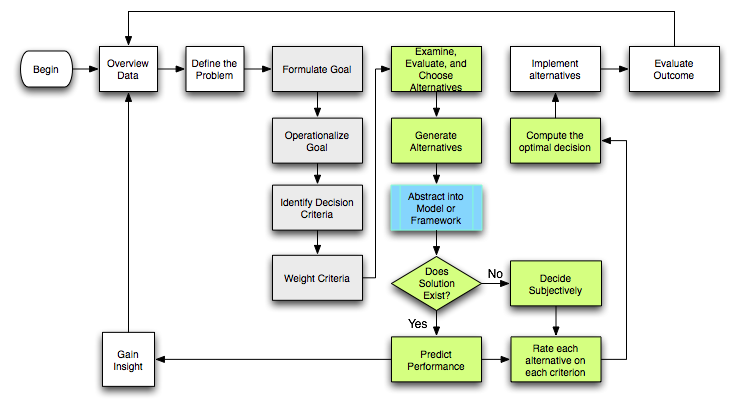
By understanding this cycle, you can analyze high-level management scenarios and identify which function is primarily at play. Is a CEO announcing a five-year expansion? That's planning. Is a department being restructured? Organizing. Is a manager holding daily stand-ups to keep a project on track? That's a mix of commanding and coordinating. Are quarterly sales figures being reviewed against a forecast? That's controlling.
Who is credited with developing Administrative Management Theory, focusing on the organization from the top down?
A retail company's leadership team spends a week analyzing market trends, forecasting revenue, and setting a strategic goal to expand into a new geographic region within two years. Which of Fayol's five functions is primarily being demonstrated?
These five functions provide a powerful framework for understanding the essential work of management in any organization.