Mastering ADKAR Change Management
Introduction to Change Management
What Is Change Management?
Change is constant in any organization. A company might adopt new software, restructure its teams, or shift its entire business strategy. Without a plan, these transitions can be chaotic, leading to confusion, lost productivity, and frustrated employees.
Change management is the structured approach to guiding people and teams from their current state to a desired future one. It's not just about announcing a change and hoping for the best. It's about preparing, supporting, and equipping individuals to successfully adopt new ways of working.
Change management is a structured approach for guiding individuals through organizational change, preparing, equipping and supporting them so they can successfully adopt new ways of working.
Think of it like moving a whole neighborhood to a new city. You wouldn't just tell everyone to pack up and go. You'd provide maps, moving trucks, information about the new schools, and support for finding their way around. Change management does the same for an organization, ensuring the transition is as smooth as possible.
The Role of a Structured Approach
The main goal of change management is to minimize resistance and maximize adoption. When people understand the 'why' behind a change and see a clear path forward, they are more likely to get on board. A structured approach helps leaders communicate effectively, anticipate challenges, and provide the right support at the right time.
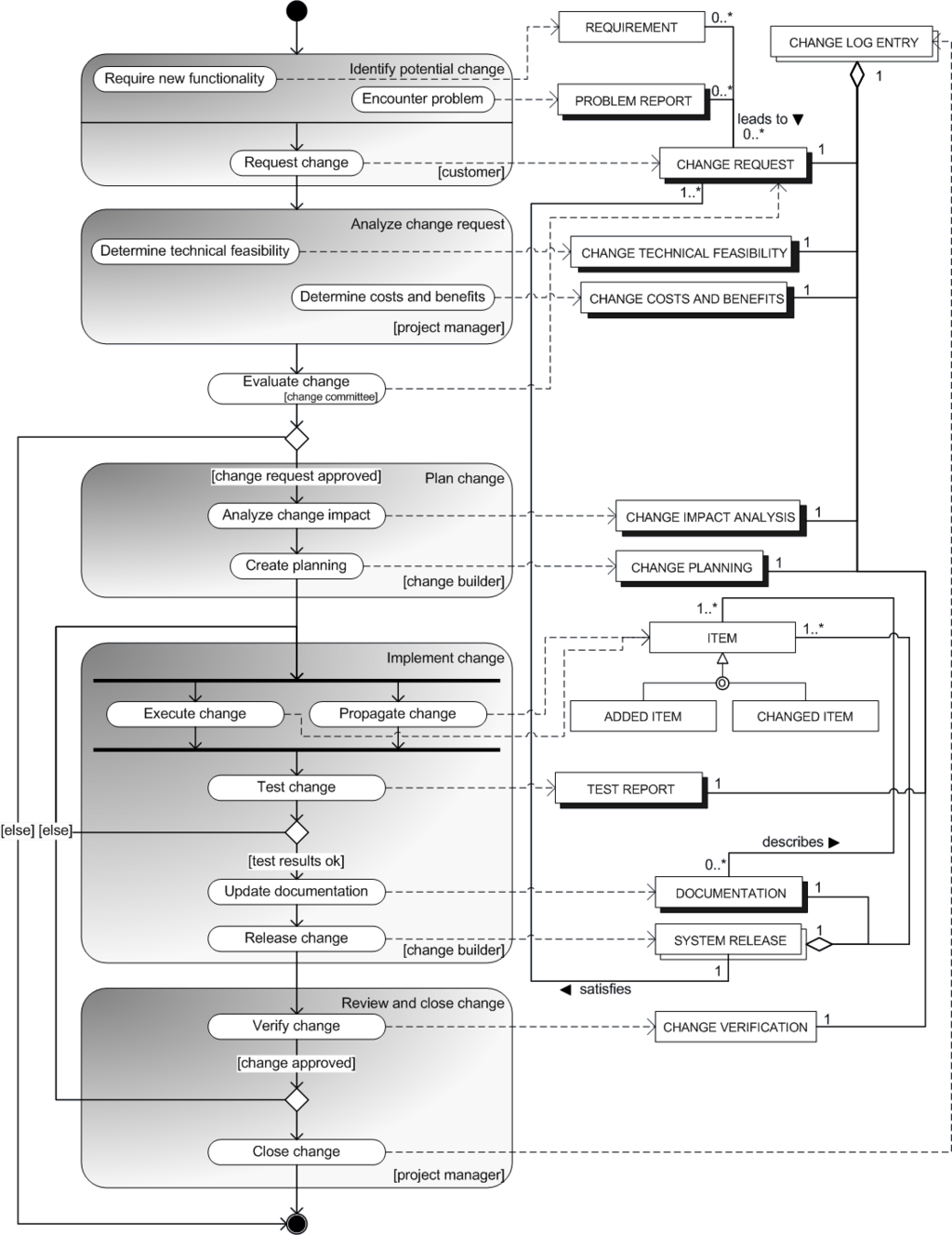
This structured process helps address the human side of change. It acknowledges that people will have questions and concerns. By having a plan, leaders can answer questions like, "What does this mean for me?" and "How will my job be different?" This proactive communication builds trust and reduces uncertainty.
A good plan addresses potential roadblocks before they become major issues, turning resistance into participation.
Models for Change
There isn't a single, one-size-fits-all way to manage change. Different situations call for different strategies. Over the years, experts have developed various frameworks, or models, to guide organizations through transitions. These models provide a roadmap of steps to follow.
While we will focus on the ADKAR model later, it's helpful to know about a few other influential frameworks. Each offers a unique perspective on how to lead people through change successfully.
| Model | Key Idea | Best For |
|---|---|---|
| Kotter's 8-Step Model | Creates a sense of urgency and builds momentum through a clear, sequential process. | Large-scale, top-down organizational transformations. |
| Lewin's Change Model | A simple three-stage process: Unfreeze (prepare for change), Change (implement), and Refreeze (solidify the new state). | Situations needing a straightforward and simple framework. |
| McKinsey 7-S Model | Focuses on aligning seven interconnected elements of an organization: Strategy, Structure, Systems, Shared Values, Style, Staff, and Skills. | Complex changes where alignment across the entire organization is critical. |
Understanding these different approaches highlights a core principle: successful change is about more than just a new process or technology. It's about guiding people on a journey from what they know to something new and better.
What is the primary definition of change management?
What is the main goal of implementing change management?