Mastering Active Listening
Introduction to Active Listening
More Than Just Hearing
We hear sounds all day. A car horn, a distant conversation, music from a cafe. Most of it is just noise that our brain filters out. This is passive hearing. It's automatic and requires no real effort.
Active listening is different. It's a conscious decision to listen not just to the words someone is saying, but to the complete message being communicated. It involves paying full attention, understanding, and responding thoughtfully. Think of it as the difference between standing on the shore while waves wash over your feet versus intentionally diving into the ocean to explore what's beneath the surface.
Active listening is more than just hearing words; it's a communication technique where you fully concentrate to understand the speaker's message, emotions, and underlying needs.
The concept isn't new. It was developed by psychologists Carl Rogers and Richard Farson in the 1950s. They originally saw it as a tool for therapists to build trust and understanding with their patients. They realized that by truly listening, they could help people feel validated and understood, which is a powerful foundation for connection and healing.
Soon, people in other fields recognized its value. Business leaders, educators, and negotiators started adopting active listening to improve their relationships and achieve better outcomes.
Why It Matters
The benefits of active listening are immense. In our personal lives, it builds stronger, more meaningful relationships. When friends, family, or partners feel truly heard, it fosters trust and emotional intimacy. Misunderstandings happen less often because you're focused on grasping their perspective, not just waiting for your turn to talk.
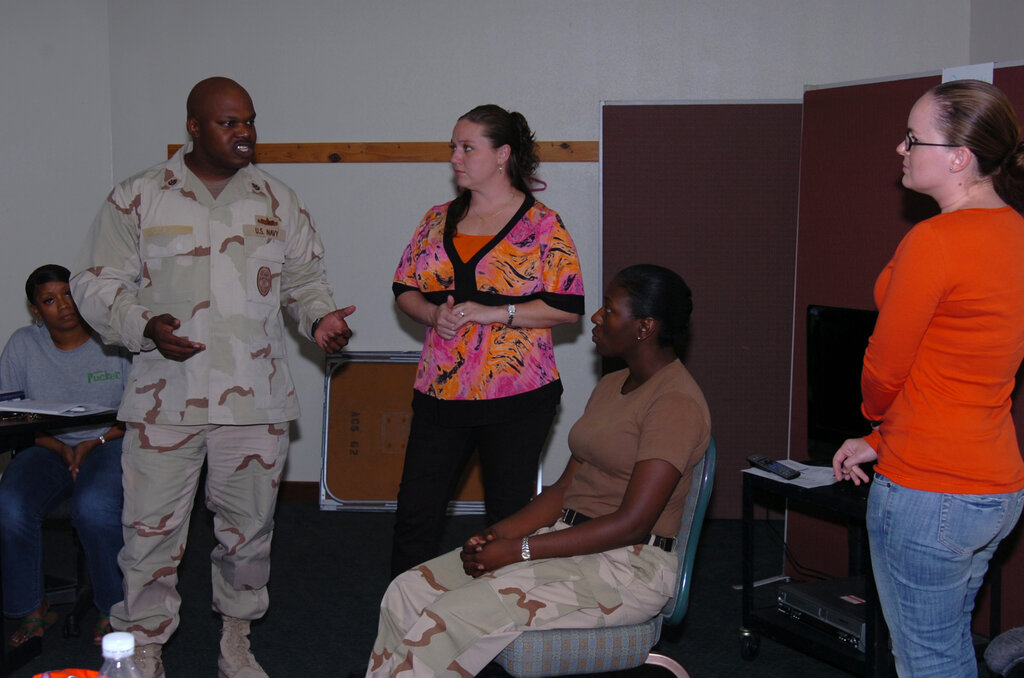
Professionally, active listening is a game-changer. It can lead to better collaboration within teams, more effective leadership, and stronger relationships with clients. Imagine a manager who listens carefully to an employee's concerns or a salesperson who understands a customer's true needs. In both cases, the result is a more positive and productive interaction.
Essentially, active listening helps you solve problems, build trust, and understand people on a deeper level.
Listening vs Hearing
It's easy to confuse passive hearing with active listening, but they are fundamentally different. Hearing is a physical process, while listening is a mental one. Here's a simple breakdown of the key differences:
| Feature | Passive Hearing | Active Listening |
|---|---|---|
| Effort | Automatic, requires no effort | Conscious, requires focus |
| Focus | On sounds and words only | On the total message (words, tone, body language) |
| Goal | To simply receive auditory input | To fully understand the speaker's perspective |
| Response | Often distracted or automatic | Thoughtful and empathetic |
| Outcome | Information may be missed or forgotten | Deeper understanding and connection |
By shifting from passively hearing to actively listening, you move from being a bystander in a conversation to being an engaged participant. This simple shift can transform how you connect with the world around you.
What is the primary difference between passive hearing and active listening?
The concept of active listening was originally developed as a tool for which field?