Mastering Accounts Receivable
Introduction to Accounts Receivable
What Is Accounts Receivable?
When a business sells goods or services but doesn't get paid immediately, it creates an accounts receivable. Think of it as an IOU from your customers. It's the money owed to your company for products delivered or services rendered on credit.
For example, if a catering company provides food for a corporate event and sends a bill due in 30 days, that pending payment is an accounts receivable for the caterer. This is a common practice in business-to-business transactions.
This isn't just a trivial detail; it's a critical part of a company's financial health. Accounts receivable directly impacts liquidity, which is the ability to cover short-term expenses. A large AR balance means a lot of money is tied up waiting to be collected. If customers delay their payments, a company might struggle to pay its own bills, even if it's profitable on paper.
Effectively managing AR ensures a steady stream of cash into the business, known as cash flow. Healthy cash flow is the lifeblood of any company, allowing it to invest in growth, pay employees, and purchase inventory.
Types of Receivables
Not all money owed to a company is the same. Accounts receivable is typically broken down into two main categories: trade and non-trade.
Trade receivables are the most common type. They arise from the core operations of the business—selling goods or services to customers on credit. The catering company's invoice is a perfect example of a trade receivable.
Non-trade receivables, on the other hand, come from sources outside of normal business operations. This could include interest owed to the company from a bank account, a loan given to an employee, or a tax refund due from the government. These are less frequent and are accounted for separately.
| Category | Source | Example |
|---|---|---|
| Trade Receivables | Core business operations | A graphic design firm bills a client for a new logo. |
| Non-Trade Receivables | Outside of normal sales | An employee owes the company for a small advance. |
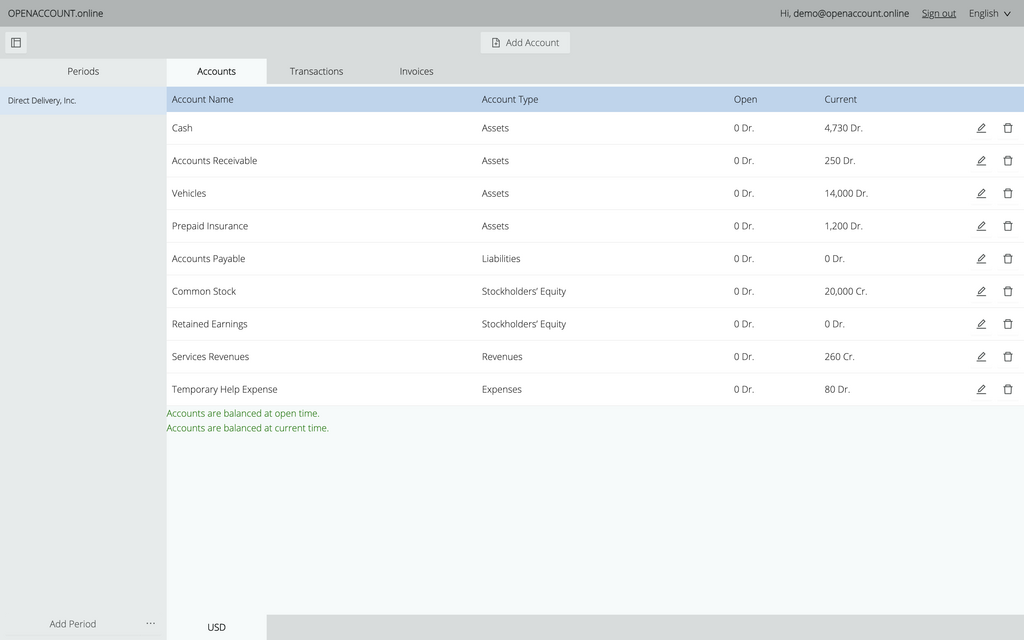
Understanding this distinction is important because it provides a clearer picture of a company's revenue-generating activities. On a balance sheet, accounts receivable is listed as a current asset, because it represents value that is expected to be converted into cash within one year.
What is the best definition of accounts receivable?
On a company's balance sheet, accounts receivable is classified as which of the following?
In short, accounts receivable represents a promise of future payment. Managing it well is key to maintaining a company's financial stability.