Mastering Accounts Payable Operations
AP Process Optimization
Streamline with Automation
Manually keying in invoice data is slow and prone to errors. A misplaced decimal or a misread number can cause significant headaches, from overpayments to strained vendor relationships. The goal of AP process optimization is to eliminate these manual touchpoints wherever possible.
Automation is the key. Modern accounts payable systems use technologies like Optical Character Recognition (OCR) to automatically scan and extract key information from invoices, whether they arrive as PDFs or paper documents. Data like the vendor name, invoice number, date, and line-item details are captured and entered into the accounting system without a person having to type a thing. This frees up the AP team to focus on more strategic tasks, like analyzing spending and managing vendor relationships.
Automated invoice processing leverages software and digital workflows to handle invoices with minimal human intervention, reducing errors and ensuring seamless payment cycles.
Once the data is captured, the system can automatically begin the validation process. It checks for duplicate invoices, verifies vendor details against your master file, and kicks off the matching process we'll discuss next. This digital-first approach not only speeds everything up but also creates a clear, searchable audit trail for every single invoice.
The Three-Way Match
A core practice for ensuring you only pay for what you ordered and received is the three-way match. This is a crucial internal control that validates an invoice before payment is issued. It involves comparing three key documents.
- Purchase Order (PO): The document you sent to the vendor specifying what you wanted to buy, including quantities, price, and terms.
- Goods Receipt Note (GRN): An internal document confirming that the goods or services were received, detailing what was delivered and in what quantity.
- Vendor Invoice: The bill from the vendor requesting payment for the goods or services.
In an automated system, the software compares the details on these three documents. It checks that the quantity on the invoice matches the quantity on the GRN, and that the price on the invoice matches the price on the PO. If everything aligns, the invoice is cleared for payment. If there's a mismatch, the system flags the invoice for manual review. For example, if you were invoiced for 100 units but your receiving department only logged 95, the system will pause the payment until the discrepancy is resolved.
| Document | PO #123 | GRN #456 | Invoice #789 | Status |
|---|---|---|---|---|
| Item | 10 Laptops | 10 Laptops | 10 Laptops | Matched |
| Price/Unit | $1,200 | N/A | $1,200 | Matched |
| Total | $12,000 | N/A | $12,000 | Cleared |
| --- | --- | --- | --- | --- |
| Item | 50 Chairs | 48 Chairs | 50 Chairs | Mismatch |
| Price/Unit | $150 | N/A | $150 | Matched |
| Total | $7,500 | N/A | $7,500 | Flagged |
Clear Approval Workflows
Invoices often require approval from a department head or budget owner before they can be paid. Without a clear system, invoices can get stuck on someone's desk or lost in an email inbox, leading to payment delays and frustrated vendors.
A structured approval workflow solves this. It establishes a clear, consistent path for every invoice. Automation tools are essential here. You can build rules directly into your AP system to automatically route invoices to the correct approver based on factors like the amount, vendor, department, or GL code. For example, any invoice over $5,000 might require approval from a director, while anything under that amount can be approved by a manager.
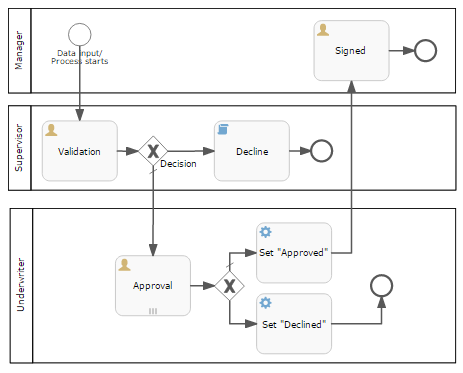
This creates accountability. The system tracks where every invoice is in the approval process and can send automatic reminders for any that are sitting too long. This visibility prevents bottlenecks and ensures that payments are made on time, helping you maintain good relationships with your suppliers and potentially take advantage of early payment discounts.
By automating invoice capture, enforcing three-way matching, and building structured approval workflows, you can transform your accounts payable function from a manual cost center into a streamlined, strategic part of your business.
Ready to check your understanding?