Mastering Account-Enabled Optimization
Introduction to AEO
Search Is Changing
For decades, the goal of online content was simple: rank number one on Google. Search Engine Optimization, or SEO, was the art and science of getting your website to the top of that list of blue links. But the way we find information is changing. We don't just type keywords into a search bar anymore. We ask questions to our phones, smart speakers, and AI chatbots.
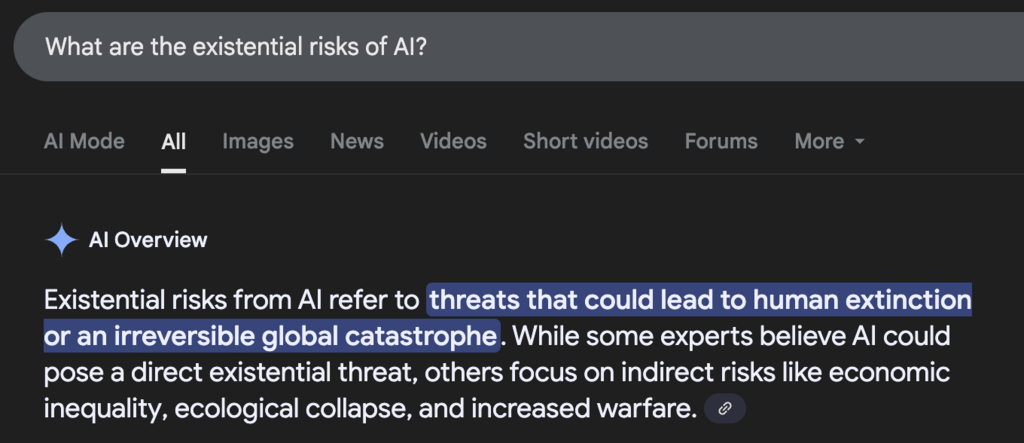
Instead of just getting a list of websites, we now often get a direct, summarized answer. Search engines are becoming answer engines. This shift means the old rules of being seen online are being rewritten. It's no longer just about being in the list; it's about being the source of the answer itself.
What is AEO?
This new landscape calls for a new strategy: Answer Engine Optimization (AEO). It's also sometimes called Generative Engine Optimization (GEO).
Answer Engine Optimization (AEO) is the process of making your content easy for AI-powered systems — like Google AI Overviews and ChatGPT — to find, understand, and cite.
Think of it this way: if a student is writing a research paper, they read several books and articles, then synthesize that information to write their own summary. AI answer engines do something similar. They scan countless web pages to find the most reliable, clear, and direct information to construct an answer for the user.
AEO is the practice of making your content that go-to source. The goal is for the AI to not only use your information but to credit you for it, often with a link back to your site.
SEO vs. AEO
While AEO grows out of the principles of SEO, its focus is different. Traditional SEO is about convincing a search engine that your page is the most relevant result for a specific keyword. AEO is about convincing an AI that your content provides the best, most direct answer to a question.
As one expert puts it, traditional SEO is keyword-driven, while AI-driven AEO is meaning-driven.
This shift in focus changes how we approach creating content. Clarity and factual accuracy become more important than ever. Instead of just sprinkling keywords throughout an article, the content needs to be structured in a way that's easy for a machine to parse and understand.
| Feature | Traditional SEO | Answer Engine Optimization (AEO) |
|---|---|---|
| Primary Goal | Rank high in a list of links | Be cited as the source in an AI-generated answer |
| Focus | Keywords and backlinks | Clarity, authority, and direct answers |
| User Query | Often short keywords (e.g., "best laptop 2024") | Often full questions (e.g., "What is the best laptop for a college student in 2024?") |
| Content Strategy | Target keywords, optimize page speed | Use natural language, structure data, answer questions clearly |
Ultimately, the rise of AEO doesn't mean SEO is dead. The two work together. A strong SEO foundation—like having a fast, mobile-friendly website—is still crucial. But AEO adds a new layer, optimizing for the conversational, question-based searches that are becoming the norm.
What is the primary goal of Answer Engine Optimization (AEO)?
How does the focus of AEO differ from traditional SEO?
This shift toward answer engines is still in its early days, but it's clear that the future of being found online involves creating content that is not only for humans, but also easily understood by AI.