Mastering Academic Writing
Understanding Academic Writing
The Purpose of Academic Writing
Academic writing isn't about using big words to sound smart. It’s a specific way of communicating complex ideas within a field of study. Think of it as joining an ongoing conversation. Scholars and researchers have been discussing topics for years, and your writing is your way of adding to that discussion.
Before you write a single word, you need to ask two questions:
- What is my purpose? Are you trying to inform your reader about a new discovery? Persuade them to accept your viewpoint? Analyze an existing theory? Your goal will shape every choice you make.
- Who is my audience? Usually, you're writing for people who already know something about your topic, like a professor or classmates. This means you don't need to explain basic concepts, but you do need to be precise and thorough in your arguments. They expect you to be clear, logical, and credible.
Knowing your purpose and audience is the foundation of all effective academic work. It guides your tone, your structure, and the evidence you choose to present.
How It's Different
Writing an academic paper is very different from writing a novel, a news article, or a text to a friend. Each has its own rules and expectations. Academic writing is defined by its formality, structure, and reliance on evidence.
| Feature | Academic Writing | Non-Academic Writing |
|---|---|---|
| Tone | Formal, objective, and analytical | Often informal, subjective, or emotional |
| Audience | Specialists, scholars, students in a field | General public or a specific group |
| Purpose | To inform, analyze, and persuade based on evidence | To entertain, inform, or express personal feelings |
| Structure | Highly structured (introduction, body, conclusion) | Can be flexible or narrative-driven |
| Evidence | Based on research, data, and citations | May rely on opinion, anecdote, or emotion |
The tone is objective and serious. You're presenting ideas and evidence, not personal feelings. The structure is typically rigid and logical, guiding the reader step-by-step through your argument. Most importantly, every claim you make must be backed up with credible evidence from your research.
Academic writing is a skill that demands structure, clarity, and accuracy.
Clarity is King
In academic writing, your main job is to make complex ideas understandable. This requires both clarity and coherence.
Clarity means using precise, unambiguous language. Avoid jargon when a simpler word will do, and define any specialized terms your audience might not know.
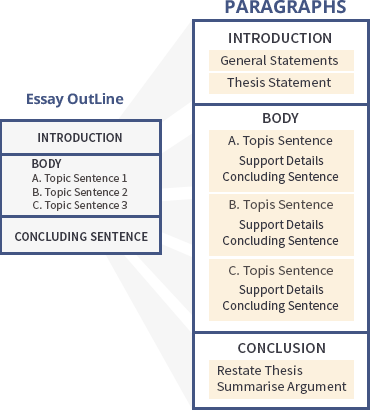
Coherence refers to the logical flow of your ideas. Each sentence should connect to the one before it, and each paragraph should build on the last. Your reader should never feel lost or wonder why you're mentioning a particular piece of information. A well-organized outline is your best tool for achieving coherence.
Playing by the Rules
Academic writing is built on a foundation of trust and honesty. This principle is known as academic integrity. It means representing your own work truthfully and giving credit to the creators of the ideas and words you use in your research.
Plagiarism
noun
The act of presenting someone else's work or ideas as your own, without giving them proper credit.
Avoiding plagiarism is more than just a rule to avoid getting in trouble. It’s about respecting the hard work of other researchers and participating ethically in the academic conversation. Whenever you use someone else's specific words, data, or unique ideas, you must cite the source. This shows your readers where your information comes from and allows them to explore the topic further.
Properly citing sources strengthens your credibility by showing that you have engaged with the existing research in your field.
Now that we've covered the core principles, you're ready to start thinking about how to build a strong argument.