Mastering Academic Poster Presentations
Understanding Academic Posters
A Visual Snapshot of Research
Imagine trying to explain months or even years of research in just a few minutes. That's the challenge academic posters solve. A poster is a concise, visual summary of a research project, designed to be displayed and discussed at conferences, seminars, and academic gatherings.
Unlike a lengthy paper or a formal presentation to a large audience, a poster communicates key findings at a glance. It uses a combination of text, charts, graphs, and images to tell a story about the research. Think of it as a scientific trailer for a movie; it gives you the most important points and makes you want to learn more.
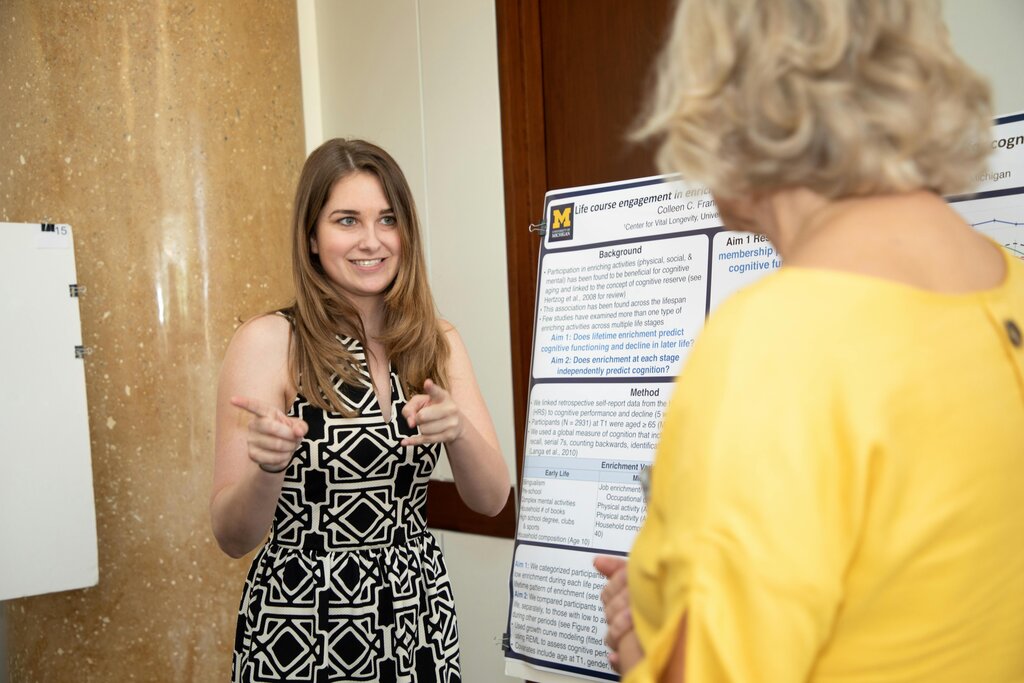
The Heart of the Conference
Academic conferences are busy places. It's impossible to see every presentation or read every paper. Poster sessions provide a space where dozens of researchers can share their work simultaneously. Attendees can walk through aisles of posters, stopping at the ones that catch their eye.
This format is crucial for sparking conversations. Instead of a one-way lecture, a poster presentation is a dialogue. It allows for direct interaction between the researcher and their audience, leading to questions, feedback, and new ideas. It's a powerful networking tool, connecting scholars with shared interests.
A well-designed poster should be able to stand alone, conveying the key points of your research even when you're not present to explain it.
Anatomy of a Poster
While the design can vary, most academic posters follow a standard structure, much like a research paper. The goal is to guide the viewer logically through the study, from the initial question to the final conclusion.
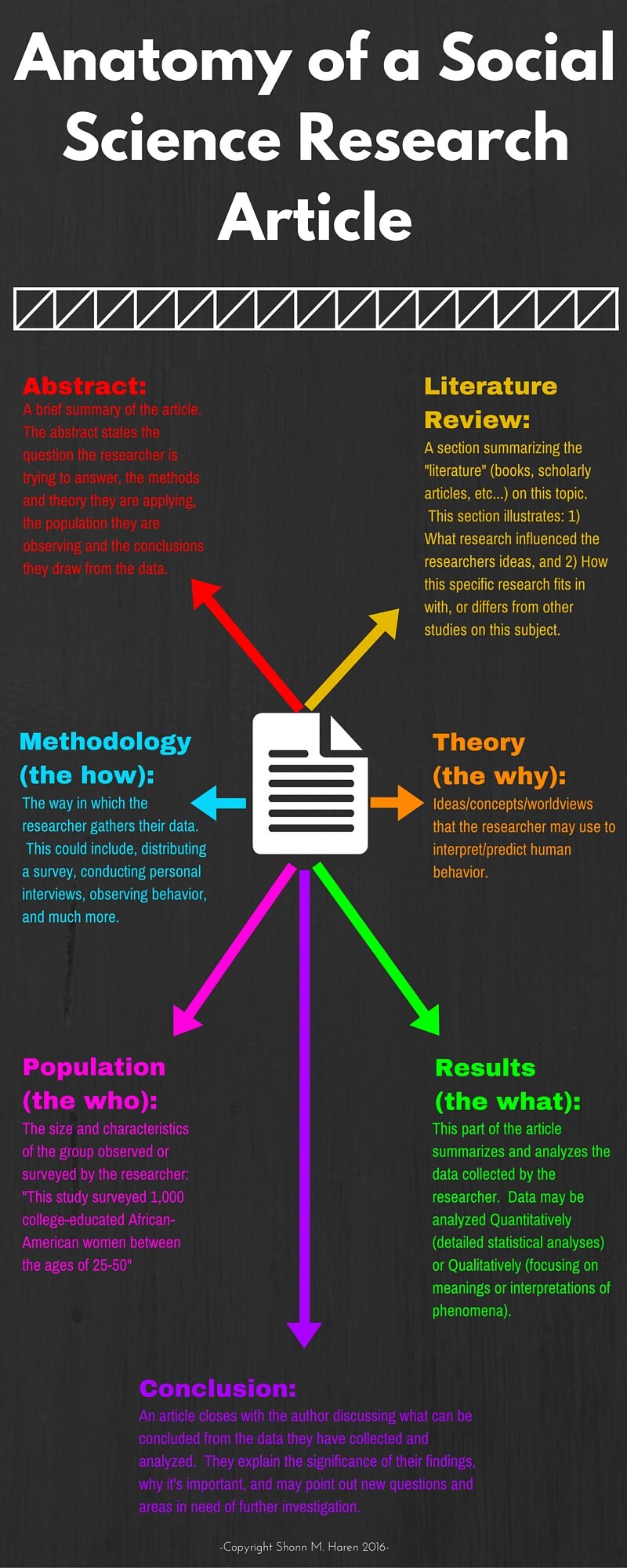
Here are the essential components you'll typically find:
| Component | Purpose |
|---|---|
| Title, Authors, Affiliations | Clearly states the topic and identifies who did the work and where. |
| Introduction / Abstract | Provides a brief overview of the research question and its importance. |
| Methods | Explains how the research was conducted. |
| Results | Presents the key findings, often using charts, graphs, or images. |
| Conclusion / Discussion | Summarizes the main takeaways and discusses their implications. |
| References | Cites the key sources used in the research. |
Why Present a Poster?
For researchers, especially those early in their careers, presenting a poster is an invaluable experience. It offers a platform to share work that may still be in progress and receive immediate, constructive feedback from experts in the field. This can help refine research before it's submitted for publication.
The interactive nature of a poster session fosters a more personal connection than a formal talk. It allows for in-depth conversations that can lead to collaborations and new professional relationships. By distilling complex information into a clear, visual format, researchers also sharpen their ability to communicate their work effectively to a broad audience.
This approach to sharing knowledge is a cornerstone of academic life, enabling the rapid exchange of ideas that pushes science and scholarship forward.