Mastering Academic Poster Presentations
Understanding Academic Posters
The Poster's Purpose
An academic poster is a visual summary of your research. Think of it less like a paper and more like a conversation starter. At a conference or symposium, your poster acts as a focal point, inviting people to stop, learn about your work, and ask questions. It's a quick, accessible way to share your findings with a wide range of people, from experts in your field to curious newcomers.
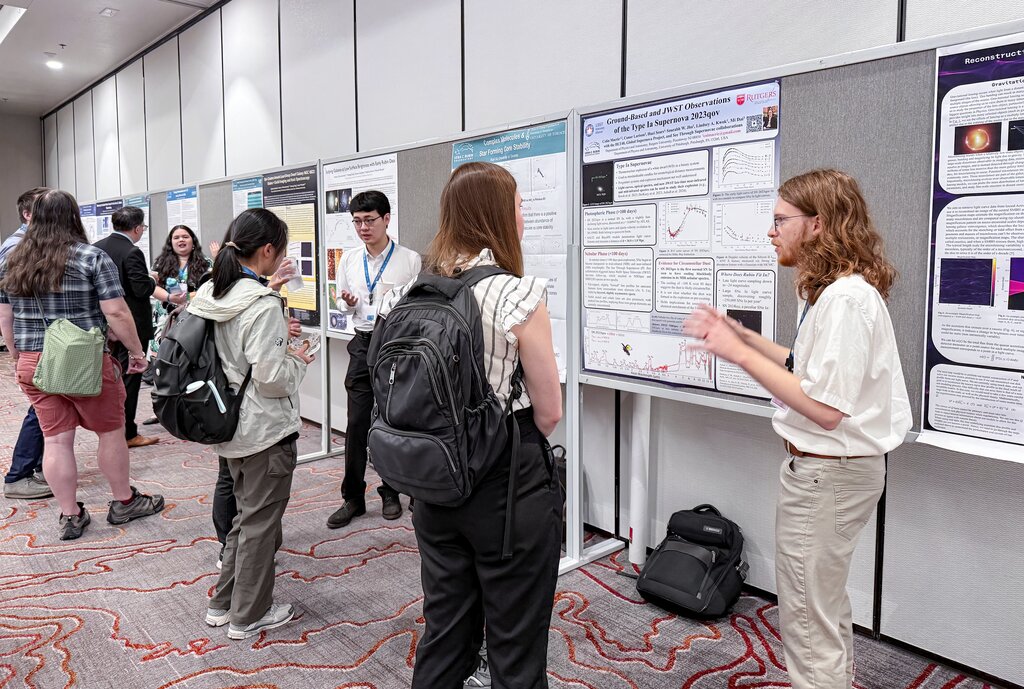
The main goal isn't to present every single detail. Instead, you want to convey the core message of your research clearly and efficiently. A successful poster grabs attention, communicates key results, and encourages dialogue. It stands on its own, telling a complete story even when you're not there to narrate.
A well-designed poster should be able to stand alone, conveying the key points of your research even when you're not present to explain it.
Anatomy of a Poster
While formats vary, most academic posters follow a structure similar to a research paper. They're designed to guide the reader logically through your work. The layout usually flows from top to bottom and left to right.
Here's a breakdown of the typical sections:
- Title and Authors: The title should be short, catchy, and descriptive. Author names and their affiliations (like your university or company) go right below.
- Introduction: Briefly explain the background of your research. What problem are you addressing? Why is it important?
- Methods: Describe how you conducted your research. Keep it concise. What approach or techniques did you use?
- Results: This is the star of the show. Present your key findings here, often using charts, graphs, and images. What did you discover?
- Conclusion: Summarize your main findings and their implications. What do your results mean for the field? What are the next steps?
- References/Contact: Include citations for any work you've referenced, plus your contact information.
Clarity is King
The biggest challenge in poster design is fighting the urge to include too much information. A crowded, text-heavy poster is hard to read and will likely be ignored. Your goal is clarity and conciseness.
Every element on your poster, from text to images, should serve a purpose. Use bullet points instead of dense paragraphs. Keep sentences short. The viewer should be able to grasp your main points in just a few minutes.
Think of your poster as a visual abstract. It highlights the most important aspects of your work, leaving the finer details for one-on-one conversation.
Visuals are essential for this. They break up text, illustrate complex data, and make your findings more engaging and easier to understand. A well-designed chart or graph can communicate a key result far more effectively than a block of text.
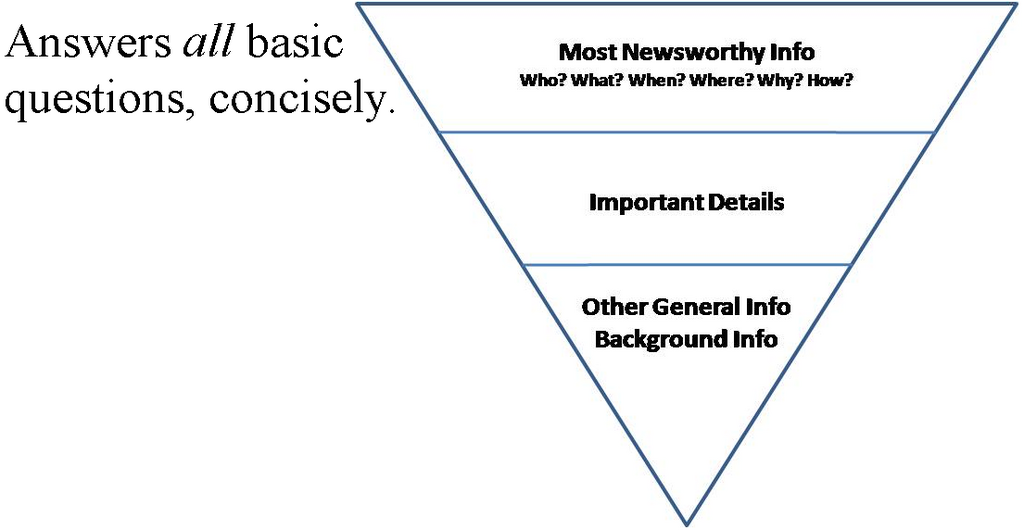
High-quality visuals are your best tool for telling a compelling story. They draw the eye, clarify your methods and results, and make your research memorable.
What is the primary goal of an academic poster at a conference?
True or False: The 'Results' section is often considered the most important part of an academic poster and should be visually driven.
That's the basic rundown of an academic poster. It's a unique format for sharing science, blending data with design to spark new conversations.