Mastering Academic Poster Presentations
Understanding Academic Posters
More Than Just Paper
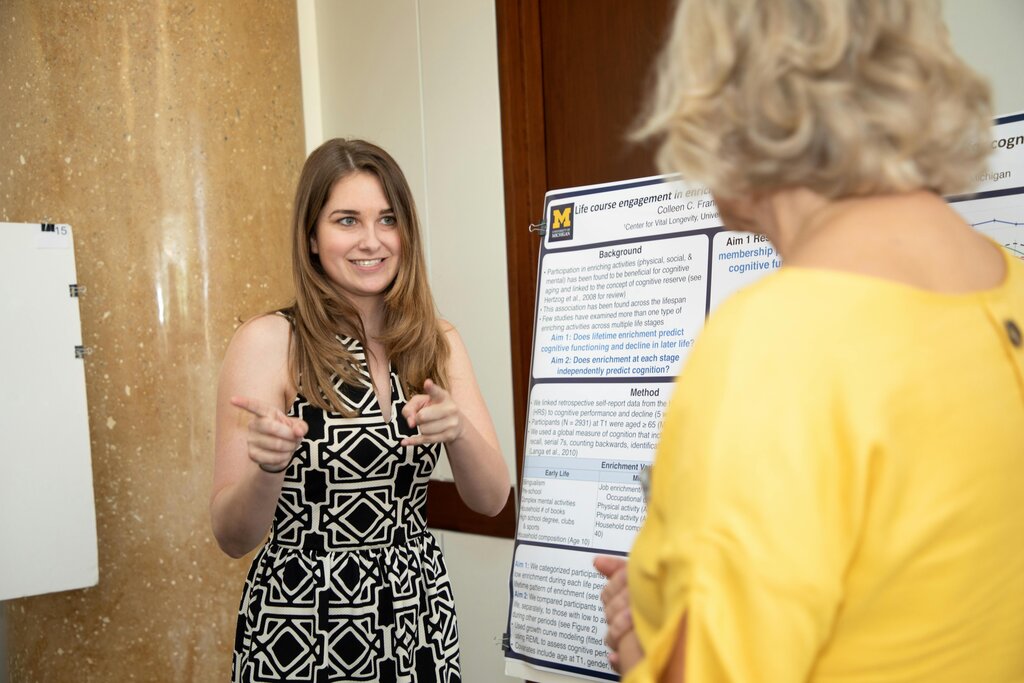
Imagine trying to explain months or even years of research to someone in just a few minutes. That's the challenge an academic poster solves. It's a visual, condensed summary of a research project, designed to be displayed at conferences and academic events.
Think of it as a billboard for your research. It needs to grab attention, communicate the main ideas quickly, and invite people to learn more.
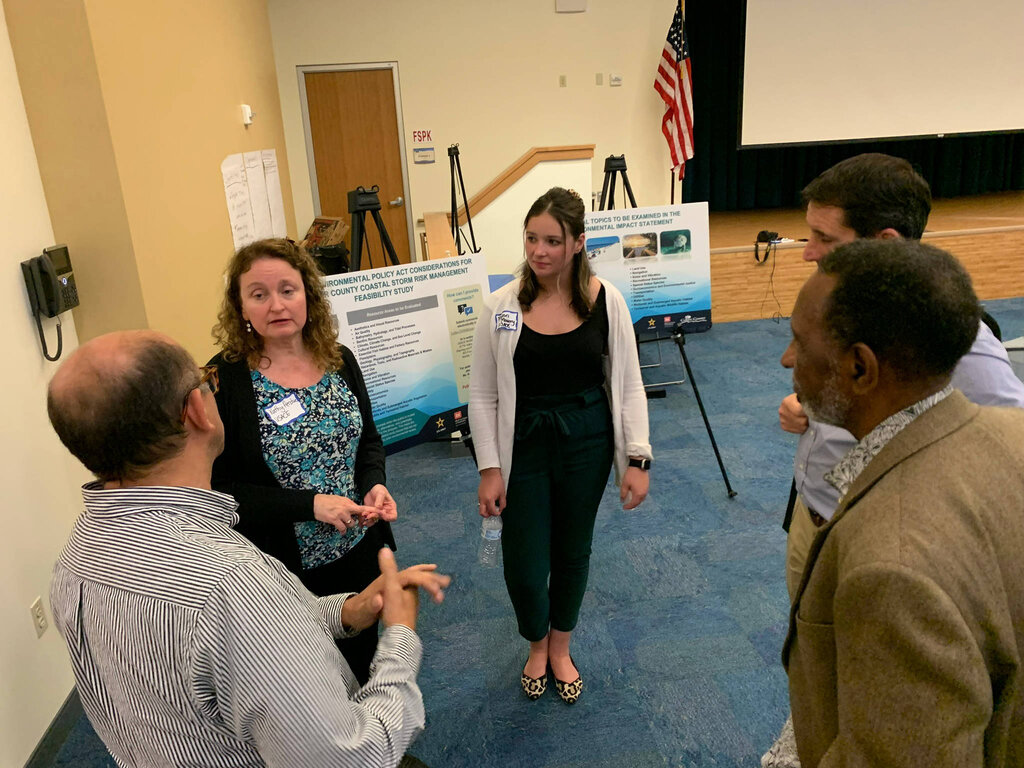
The main purpose of a poster is to share your findings and spark conversation. It's an opportunity for researchers to engage with peers, get feedback on their work, and build connections with others in their field. Instead of reading a long, dense paper, an attendee can walk through a hall, scan dozens of posters, and stop to chat about the ones that catch their interest.
The Anatomy of a Poster
While designs vary, most academic posters follow a standard structure. They read like a mini-research paper, guiding the viewer logically from the initial question to the final conclusion. The goal is to provide a clear and complete overview of the project.
Here are the key components you'll typically find.
| Section | Purpose |
|---|---|
| Title, Authors, Affiliations | States the topic, who did the work, and where they're from. |
| Introduction/Background | Provides context for the research and states the core question or hypothesis. |
| Methods | Briefly explains how the research was conducted. |
| Results | Presents the key findings, often using charts, graphs, and images. |
| Conclusion/Discussion | Summarizes the findings, discusses their importance, and suggests future steps. |
| References & Acknowledgments | Cites sources and thanks funders or collaborators. |
Why Posters Matter
Scientific posters play a vital role in academic communication by presenting ideas through visual summaries.
In both academic and professional worlds, posters are a fundamental tool for sharing knowledge. They provide a space for direct interaction between the researcher and their audience, allowing for questions, immediate feedback, and deeper discussion that a published paper can't offer.
This format also hones a crucial skill: distilling complex information. Creating a poster forces a researcher to identify the most important parts of their work and present them in a clear, concise, and engaging way. This ability to communicate complex ideas simply is valuable in any field.
Ready to check your understanding of academic posters?
What is the primary purpose of an academic poster at a conference?
What is a key advantage of presenting research via a poster compared to a traditional published paper?
Now that you know what an academic poster is and why it's used, you're ready to explore what makes a poster visually effective.