Mastering Academic Poster Presentations
Understanding Academic Posters
A Visual Handshake
An academic poster is a visual summary of your research. Think of it as a scientific trailer. It’s designed to give a quick, digestible overview of your work, sparking interest and conversation. Unlike a dense research paper, a poster communicates key findings through a blend of text, charts, and images.
You’ll find posters at academic conferences, university symposiums, and departmental meetings. They line the walls of large halls, creating a marketplace of ideas. Researchers stand by their posters, ready to explain their work, answer questions, and get feedback from colleagues.
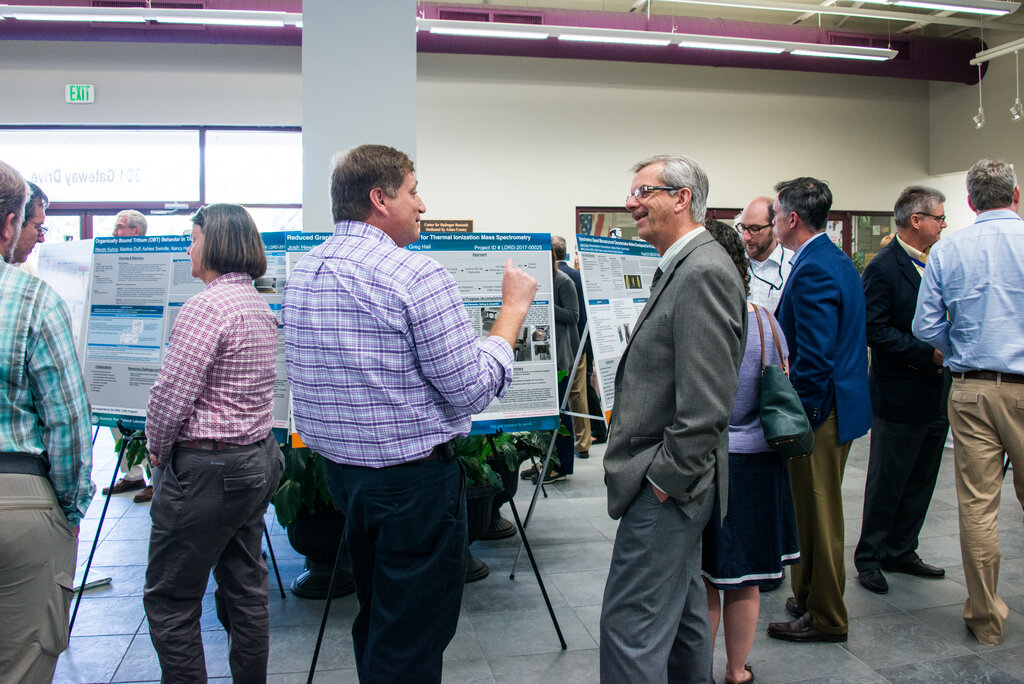
The goal isn't to cram every detail of your study onto one page. Instead, it's about telling a clear, compelling story that makes people want to learn more. A great poster can be understood in just a few minutes, even without the presenter there.
A well-designed poster should be able to stand alone, conveying the key points of your research even when you're not present to explain it.
Anatomy of a Poster
Most academic posters follow a standard structure, mirroring the format of a research paper. This familiar layout helps viewers quickly find the information they’re looking for. While the exact design can vary, the core components are usually the same.
Here's a quick rundown of each section's job:
- Title and Authors: The hook. A clear, engaging title grabs attention, and listing the authors gives credit.
- Introduction/Abstract: A brief summary of your research question and its importance. It sets the stage.
- Methods: Explains how you conducted your research. This section should be concise, focusing on the overall approach rather than tiny details.
- Results: The heart of the poster. This is where you present your key findings using charts, graphs, and images. It should be highly visual.
- Conclusion: Summarizes the main takeaways of your research. What do the results mean, and why do they matter?
- References & Acknowledgments: Cites the work you built upon and thanks the people and organizations that supported your research.
Clarity is King
A poster is a performance in visual communication. Because people have limited time, clarity and visual appeal are paramount. Viewers should be able to grasp your main points from several feet away.
Think of it this way: if your poster is cluttered or confusing, people will simply walk by. But if it's clean, organized, and visually engaging, it invites them to stop and learn.
This means using large, readable fonts, high-quality images, and a logical layout that guides the eye through the information. White space is your friend; it prevents the poster from looking crowded and overwhelming. The ultimate goal is to present your research in a way that is both informative and easy to digest.
Now that you know what an academic poster is and what it contains, let's test your understanding.
What is the primary purpose of an academic poster?
Which section of an academic poster should be the MOST visually driven, often using charts and graphs?
In short, a poster is more than just a summary of your work. It's an opportunity to share your ideas, network with peers, and get valuable feedback in a dynamic, interactive setting.