Mastering Academic Poster Presentations
Understanding Academic Posters
What Is an Academic Poster?
An academic poster is a visual summary of a research project. Think of it as a trailer for a movie. It doesn’t tell the whole story, but it hits the main points, shows the most exciting findings, and leaves the audience wanting to know more. Instead of being published in a journal, posters are presented at conferences, symposiums, and meetings.
The main goal is to communicate your work clearly and concisely to a wide audience, sparking conversation and sharing knowledge.
Unlike a formal presentation to a large, seated audience, a poster session involves researchers standing by their displays. Other attendees walk around, browse the posters, and stop to chat about the projects that catch their eye. This format allows for personal, in-depth conversations about the research in a relatively informal setting.
Why Posters Matter
Academic posters are a cornerstone of scholarly communication. For students and early-career researchers, they are often the first opportunity to share their work with the broader academic community. But their importance goes beyond just sharing information.
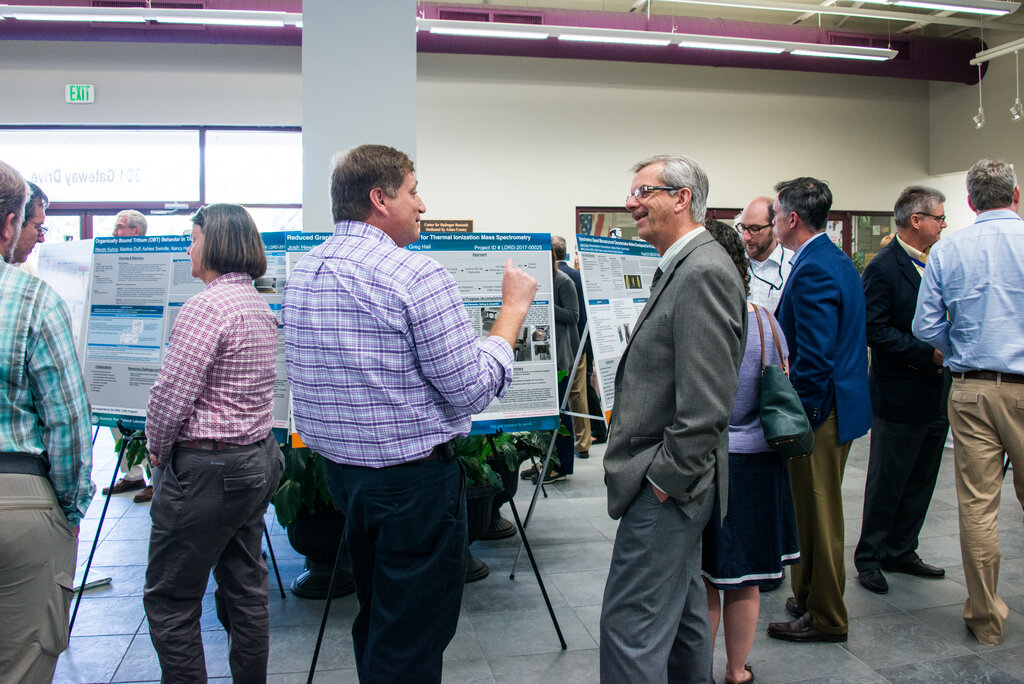
The real magic of a poster session is the interaction it fosters. It’s a dynamic environment for networking and feedback. As you stand by your poster, you can discuss your methods with an expert in the field, get suggestions for future research from a fresh perspective, or even find a future collaborator. These one-on-one conversations can be incredibly valuable, providing insights that you might not get from a standard Q&A after a talk.
Posters also make research more accessible. They break down complex topics into digestible visual chunks, making it easier for people from different specializations to grasp the core ideas of your work quickly.
Scientific posters play a vital role in academic communication by presenting ideas through visual summaries.
The Anatomy of a Poster
While the design can vary, most academic posters follow a standard structure. They typically include the same core sections as a research paper, just in a much more condensed and visually-oriented format. The idea isn't to cram a whole paper onto a large sheet, but to tell a clear, focused story.
Here are the key components you'll find on almost every poster:
| Component | Purpose |
|---|---|
| Title | A short, descriptive headline that grabs attention. |
| Authors & Affiliations | Lists who conducted the research and their institution. |
| Introduction | Briefly explains the background and the research question. Why does this work matter? |
| Methods | A concise overview of the procedures and materials used. How was the research done? |
| Results | The core of the poster. Presents the key findings, often using charts, graphs, and images. |
| Conclusion | Summarizes the main takeaways and implications of the research. What does it all mean? |
| References | Cites the key sources used in the research. |
| Contact Info | Provides a way for interested people to follow up, like an email address or QR code. |
Ultimately, an academic poster serves as a launchpad for conversation. It's a tool for sharing ideas, getting valuable input, and connecting with others who share your passion for the subject.
What is the primary purpose of an academic poster at a conference?
Unlike a formal talk, a poster session provides a unique opportunity for ______.