Mastering Abdominal Fat Loss at Home
Visceral vs Subcutaneous Fat
The Fat You Can't See
Not all body fat is created equal. The fat you can pinch on your stomach, arms, or legs is called subcutaneous fat. It lies just beneath the skin and serves primarily as an energy reserve and for insulation. While nobody wants too much of it, it's relatively harmless from a metabolic standpoint.
Then there's the other kind: visceral fat. This is the fat you can't see or pinch. It's stored deep within the abdominal cavity, packed around vital organs like the liver, pancreas, and intestines. Think of subcutaneous fat as the savings account you rarely touch, while visceral fat is like a volatile stock portfolio, constantly interacting with and influencing your body's internal economy.
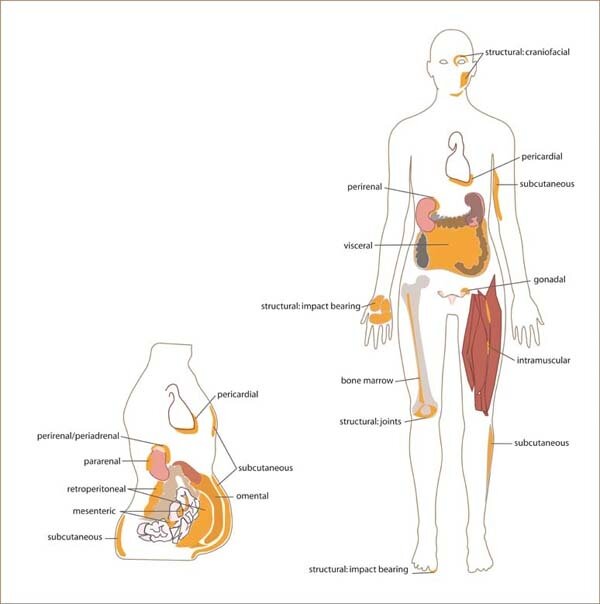
The key difference isn't just location, it's function. Subcutaneous fat is mostly passive storage. Visceral fat, however, is a surprisingly active player in your body's health.
An Unwanted Endocrine Organ
Visceral fat acts like an endocrine organ, producing its own hormones and inflammatory substances. It constantly releases inflammatory markers called into your system. These molecules can trigger chronic, low-grade inflammation, a known contributor to a host of diseases.
Its location is particularly troublesome. Visceral fat is situated right next to the portal vein, the critical blood vessel that carries blood from your digestive system directly to your liver. This means that harmful inflammatory substances and free fatty acids released by visceral fat have a direct route to the liver. This can disrupt liver function, interfere with insulin production, and raise your blood fat levels, directly impacting your metabolic health.
Visceral fat doesn’t just sit there; it actively makes things worse.
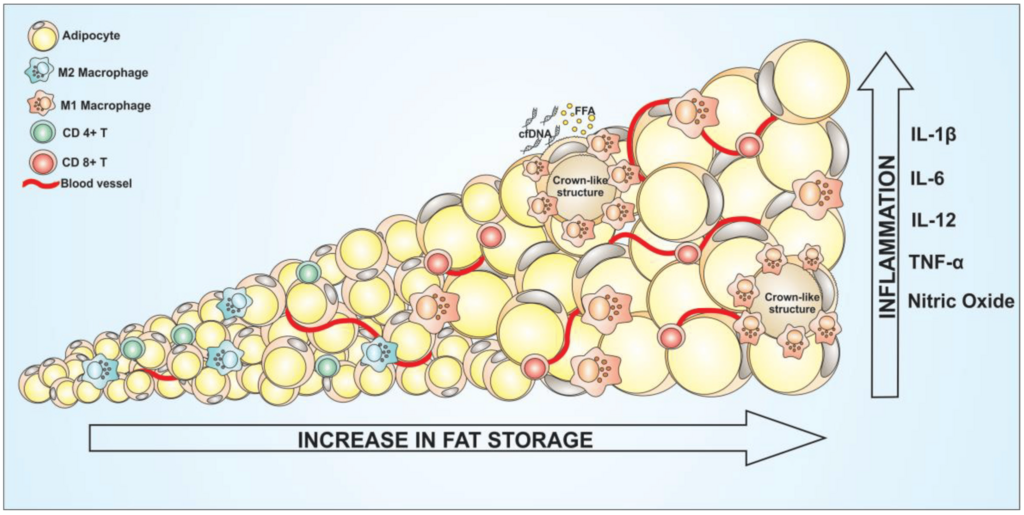
This constant inflammatory signaling and release of fatty acids is why excess visceral fat is strongly linked to insulin resistance, type 2 diabetes, and heart disease.
Measuring What Matters
For decades, Body Mass Index (BMI) was the standard for assessing healthy weight. However, BMI only considers height and weight, and it can't distinguish between muscle mass and fat, let alone between the two types of fat. This leads to the "skinny-fat" phenomenon: a person with a normal BMI who carries a dangerous amount of hidden visceral fat.
A more useful home measurement is the waist-to-hip ratio (WHR). By comparing the circumference of your waist to that of your hips, you get a better idea of your abdominal fat distribution. A higher ratio generally suggests more visceral fat.
The final crucial piece of the puzzle is how this fat behaves. Visceral fat is more metabolically active than subcutaneous fat, meaning it's more sensitive to the process of —the breakdown of fat for energy. This is a double-edged sword. On one hand, it means visceral fat breaks down and dumps fatty acids into your liver more readily. On the other, it means this dangerous fat is often the first to go when you make positive changes to your diet and exercise habits.
The good news is that visceral fat's high metabolic activity makes it highly responsive to lifestyle changes.
Now that you understand the enemy, let's test your knowledge.
What is the key reason visceral fat is considered more metabolically harmful than subcutaneous fat?
The process of breaking down fat for energy, to which visceral fat is particularly sensitive, is called ______.
Understanding this distinction is the first step toward targeting the fat that truly matters for your long-term health.