Mastering AAVE
Introduction to AAVE
More Than Just Slang
You've probably heard it before, maybe in music, on TV, or in conversation. It's a way of speaking English that has its own unique rhythm and rules. This is African American Vernacular English, or AAVE. For a long time, it was misunderstood and dismissed as slang or simply "bad English." But linguists recognize AAVE as a complete, rule-governed dialect of American English, just like Appalachian English or Southern American English.
A dialect isn't a lesser form of a language; it's a variation with its own distinct grammar, vocabulary, and accent.
AAVE is no exception. It has a rich vocabulary and a consistent grammatical structure that speakers intuitively understand. Let's look at a couple of key features that show how it works.
| Feature | AAVE Example | Meaning in Standard English |
|---|---|---|
| Habitual 'be' | She be working. | She is usually working. |
| Copula Deletion | He tired. | He is tired right now. |
| Double Negatives | He ain't see nothing. | He didn't see anything. |
| 'Finna' | I'm finna go. | I'm about to go. |
These aren't random mistakes. The use of the habitual 'be', for instance, allows speakers to express a recurring action in a way that Standard English requires more words to convey. It's an efficient and precise feature of the dialect. Similarly, deleting the verb 'to be' (the copula) is common in many languages around the world, including Russian and Arabic.
The Roots of a Language
So where did AAVE come from? Its history is deeply tied to the history of African Americans. When enslaved people from different parts of West Africa were brought to America, they spoke many different languages. To communicate with each other and with English speakers, a new form of language began to develop.
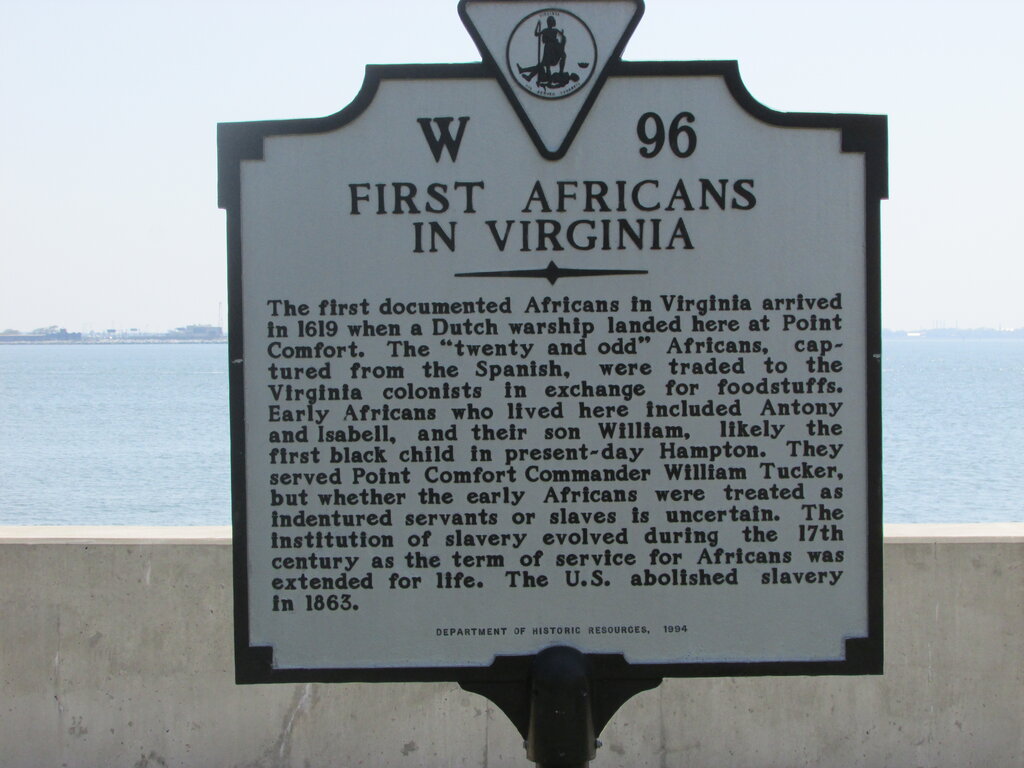
Linguists have a few theories about its exact origins. The creole hypothesis suggests that AAVE started as a creole language, a mix of English vocabulary and grammatical structures from various West African languages. Over time, as contact with English speakers increased, it became more like English but kept some of its original structure.
The dialectologist hypothesis, on the other hand, argues that AAVE developed from the nonstandard English dialects spoken by many of the early British colonists and indentured servants. Enslaved Africans learned these dialects and adapted them.
Today, most experts believe the truth is a combination of both. AAVE shows influences from both the speech patterns of early colonists and the linguistic traditions of West Africa, creating a unique and complex dialect.
Language and Identity
Language is more than just words; it's a cornerstone of culture and identity. For many African Americans, AAVE is a powerful link to their heritage and community. It's the language of home, of family, and of shared experience. It fosters a sense of belonging and solidarity.
This connection is often most visible in art and music. From the blues singers of the early 20th century to the hip-hop artists of today, Black artists have used AAVE to tell their stories authentically. It gives their work a distinct voice and power that resonates with listeners worldwide.
By using AAVE, artists and speakers can express cultural nuances and experiences that might be lost in Standard English.
Unfortunately, the cultural significance of AAVE is often overshadowed by stigma. Because it differs from the "standard" form of English taught in schools, its speakers have often been unfairly judged as uneducated or unprofessional. This pressure to switch between AAVE and Standard English depending on the social setting is known as code-switching. While it can be a useful tool for navigating different social worlds, it also highlights the prejudice that speakers of AAVE and other nonstandard dialects often face.
Let's check your understanding of these concepts.
According to linguists, what is the most accurate description of African American Vernacular English (AAVE)?
In AAVE, the sentence "She be workin' at the library" implies that the person works at the library regularly or habitually.
Understanding AAVE is about more than linguistics. It's about recognizing the history, culture, and identity of millions of people and appreciating the diversity of the English language.