Mastering 5 Core Recipes for Home Cooking
Kitchen Essentials
Your Kitchen Toolkit
Great cooking starts with the right tools. You don't need a kitchen packed with gadgets, but a few key items will make your time cooking safer, more efficient, and much more enjoyable. Think of these as the foundation of your culinary workshop.
Good knife skills are the foundation of efficient and safe cooking.
Before anything else, a cook needs a good knife. If you only buy one, make it an 8-inch chef's knife. It’s the versatile workhorse of the kitchen, capable of chopping vegetables, slicing meat, and mincing herbs. A serrated knife for bread and a smaller paring knife for delicate tasks complete a solid starting set.
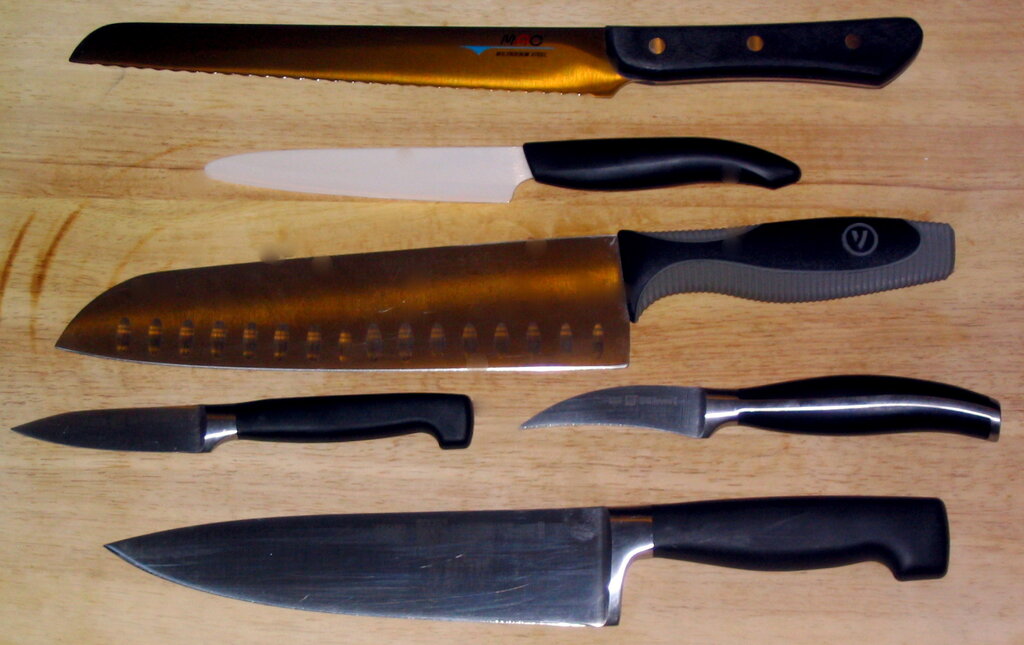
When choosing a knife, look for one that feels balanced in your hand. The blade should be made of high-carbon stainless steel, which holds a sharp edge and resists rust. A full tang, where the metal of the blade extends all the way through the handle, provides strength and stability.
Tang
noun
The part of the knife blade that extends into the handle, providing balance and strength.
Keeping your knives sharp is crucial for safety. A dull knife is more likely to slip and cause an injury than a sharp one. A simple sharpening steel or whetstone will keep your blades in top condition. Always wash your knives by hand, as the high heat and harsh detergents of a dishwasher can damage the blade and handle.
Work Surfaces and Measuring
Every knife needs a good partner: the cutting board. Wood and plastic are the best choices. Wood is durable and gentle on your knife's edge, while plastic is inexpensive and dishwasher-safe. It's a smart practice to have at least two boards, one for raw meat and another for produce, to avoid cross-contamination.
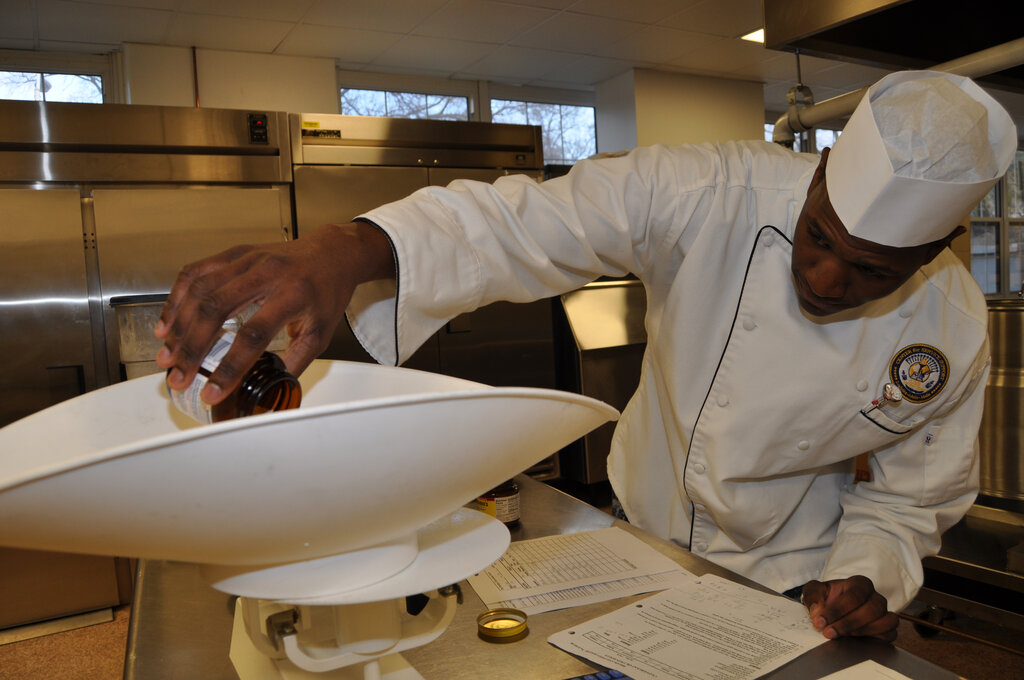
Accuracy is key in many recipes, especially in baking. A set of measuring cups and spoons is non-negotiable. For dry ingredients, you'll want cups that can be leveled off with a straight edge. For liquids, a clear glass or plastic measuring cup with a spout is best, allowing you to check the volume at eye level.
Pots, Pans, and Utensils
You can cook almost anything with just a few versatile pieces of cookware. A large skillet or frying pan is perfect for sautéing, searing, and frying. A medium-sized saucepan is essential for cooking sauces, boiling vegetables, and making grains. A larger stockpot is great for soups, stews, and boiling pasta.
When it comes to materials, stainless steel is a fantastic all-around choice for its durability and even heating. Nonstick pans are great for delicate foods like eggs and pancakes but require gentle handling to protect the coating. Cast iron is another favorite; it's incredibly durable, retains heat well, and develops a natural nonstick surface over time with proper care.
To care for cast iron, avoid soap. After use, scrub it with salt and a stiff brush, rinse with hot water, and dry it completely before wiping a thin layer of cooking oil inside.
Finally, round out your toolkit with a few essential utensils. These simple items will handle countless tasks and make cooking feel effortless.
| Utensil | Primary Use |
|---|---|
| Spatula | Flipping, lifting, and spreading |
| Wooden Spoon | Stirring without scratching cookware |
| Whisk | Blending ingredients smoothly, incorporating air |
| Tongs | Gripping and turning food securely |
| Vegetable Peeler | Removing skins from fruits and vegetables |
| Colander | Draining liquids from pasta or washed produce |
With these basics in your kitchen, you'll have a strong foundation for tackling any culinary challenge. Now, let's review these essential tools.
Ready to test your knowledge?
If you could only buy one knife for your kitchen, which of the following would be the most versatile choice?
What is the best way to care for your high-quality knives to ensure they last?
Building a collection of kitchen tools is a gradual process. Start with these essentials, and you'll be well-equipped for years of delicious home cooking.