Mastering 3D Print Strength and Assembly
3D Printing Basics
How 3D Printing Works
3D printing, also known as additive manufacturing, builds three-dimensional objects from a digital file. Instead of carving a shape out of a block of material, a 3D printer adds material layer by tiny layer until the object is complete. It’s like building something with LEGOs, but with microscopic layers.
The core process generally involves:
Modeling: Designing the 3D object using CAD software
Slicing: Dividing the model into thin cross-sectional layers
Printing: Depositing or solidifying material layer-by-layer to construct the final part
First, you create or download a 3D model. Then, special software called a "slicer" cuts the model into hundreds or thousands of horizontal layers. The printer reads this sliced file and builds the object one layer at a time, from the bottom up.
Meet the Printers
Not all 3D printers work the same way. There are several different technologies, but most fall into one of three main categories. Each uses different materials and methods to create objects.
| Technology | Material | How It Works | Best For |
|---|---|---|---|
| FDM | Thermoplastic Filament | Melts and extrudes plastic in layers | Prototypes, hobbyist projects, functional parts |
| SLA | Photopolymer Resin | Cures liquid resin with a UV light | Detailed models, jewelry, dental applications |
| SLS | Polymer Powder | Fuses powder particles with a laser | Complex geometries, durable parts, end-use products |
Fused Deposition Modeling (FDM) is the most common and affordable type of 3D printing. These printers work like a high-tech hot glue gun, melting a spool of plastic filament and drawing with it, one layer at a time.
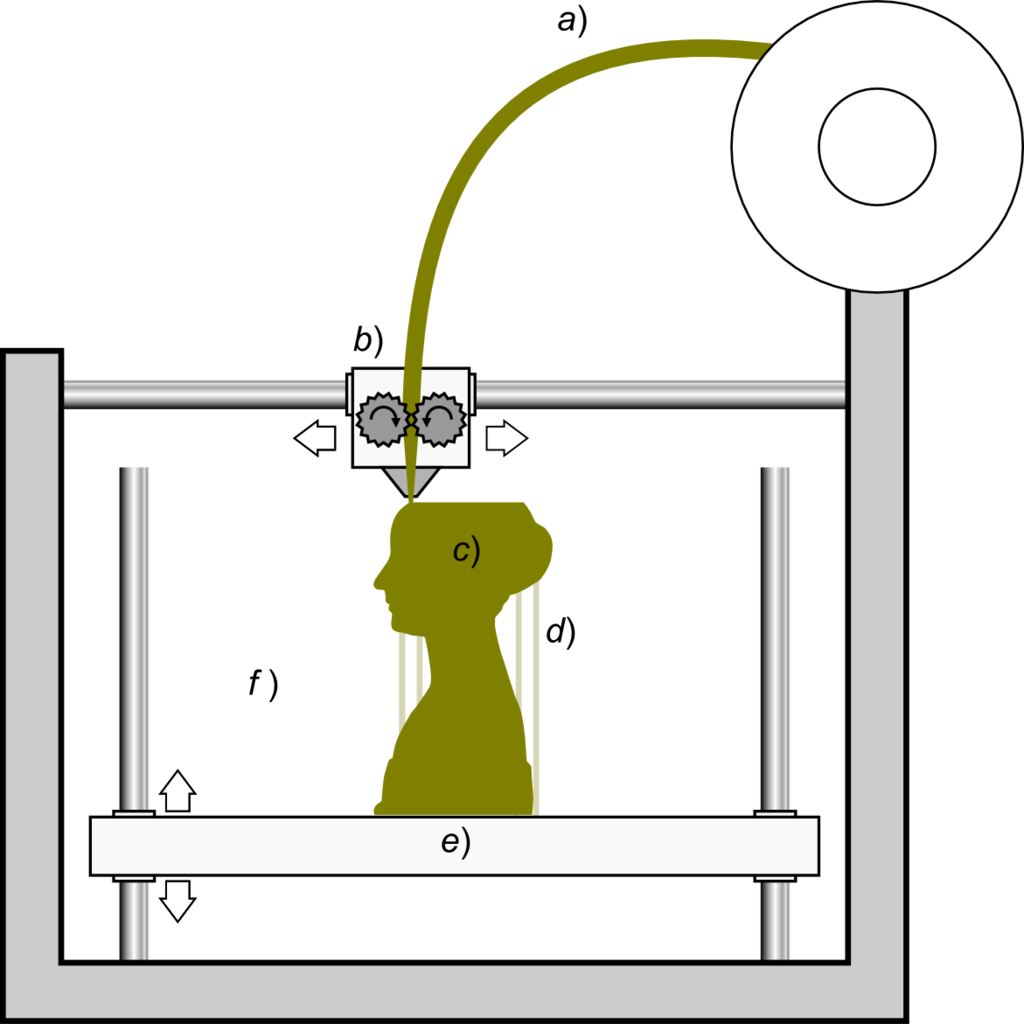
Stereolithography (SLA) was the first-ever 3D printing technology. Instead of plastic spools, SLA printers use a vat of liquid resin. An ultraviolet (UV) laser or projector shines on the resin, hardening it in specific patterns to form each layer. This method can produce objects with incredible detail and smooth surfaces.
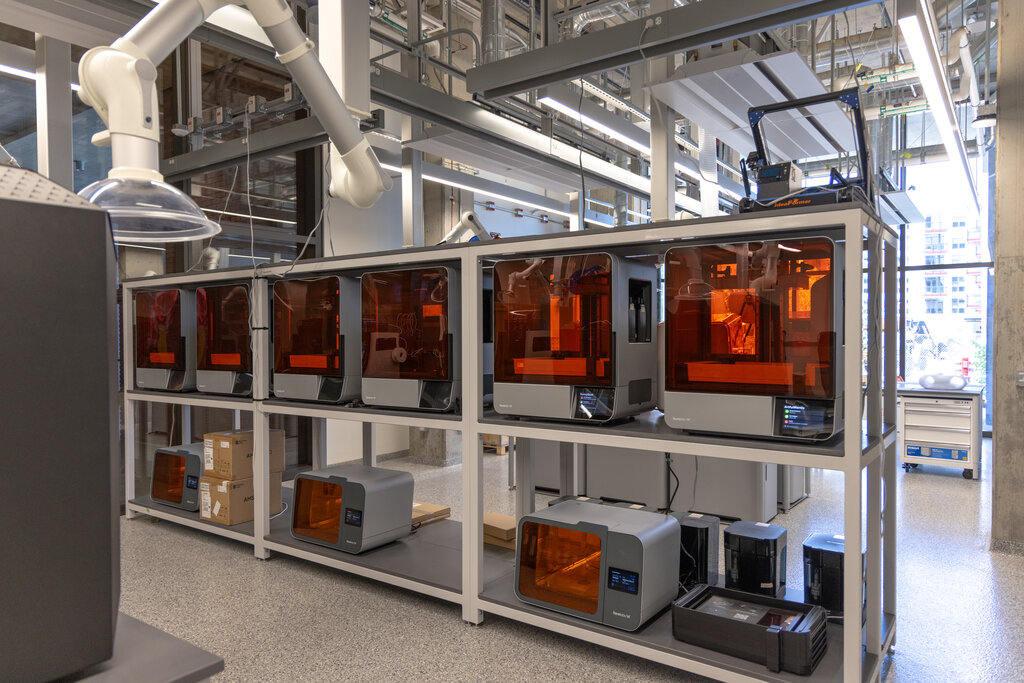
Selective Laser Sintering (SLS) is an industrial process used to create strong, functional parts. An SLS printer spreads a thin layer of polymer powder, and a high-powered laser fuses, or sinters, the powder particles together to create a solid layer. The surrounding powder supports the object as it prints, allowing for complex designs without the need for support structures.
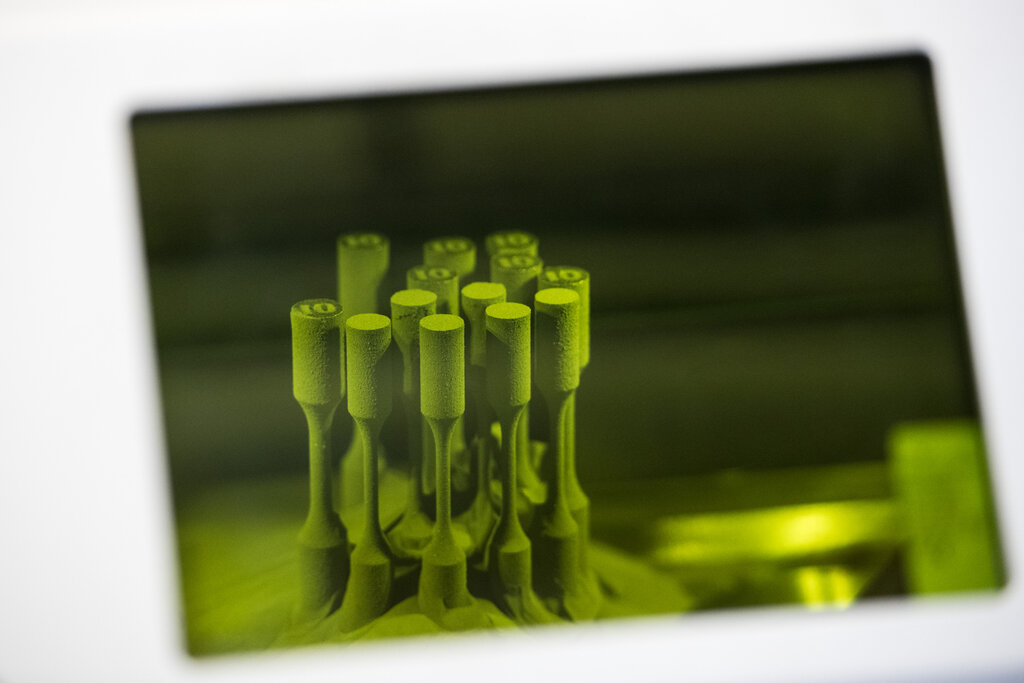
Anatomy of an FDM Printer
Since FDM printers are so common, let's break down their main parts. While designs vary, most share a few key components.
- Extruder: This is the heart of the printer. It pulls in the filament, melts it in a heated block, and pushes it out through a tiny nozzle.
- Build Platform: The flat surface where the object is printed. On many printers, this platform is heated to help the first layer stick properly and prevent warping.
- Gantry: The rigid frame that allows the extruder and build platform to move. It precisely controls movement along three axes: X (left-right), Y (front-back), and Z (up-down).
- Filament Spool: A reel that holds the plastic material fed into the extruder.
filament
noun
The thermoplastic material used in FDM 3D printing, typically wound on a spool. Common types include PLA and ABS.
Common Applications
3D printing isn't just for hobbyists making plastic trinkets. It's a powerful tool used across many industries.
Prototyping: Companies can design a part, print it overnight, and test it the next day. This rapid iteration speeds up product development immensely, from car parts to new sneaker designs.
Manufacturing: It's used to create custom tools, jigs, and fixtures for factory assembly lines. It's also making its way into producing final parts, especially for complex or low-volume items in aerospace and automotive industries.
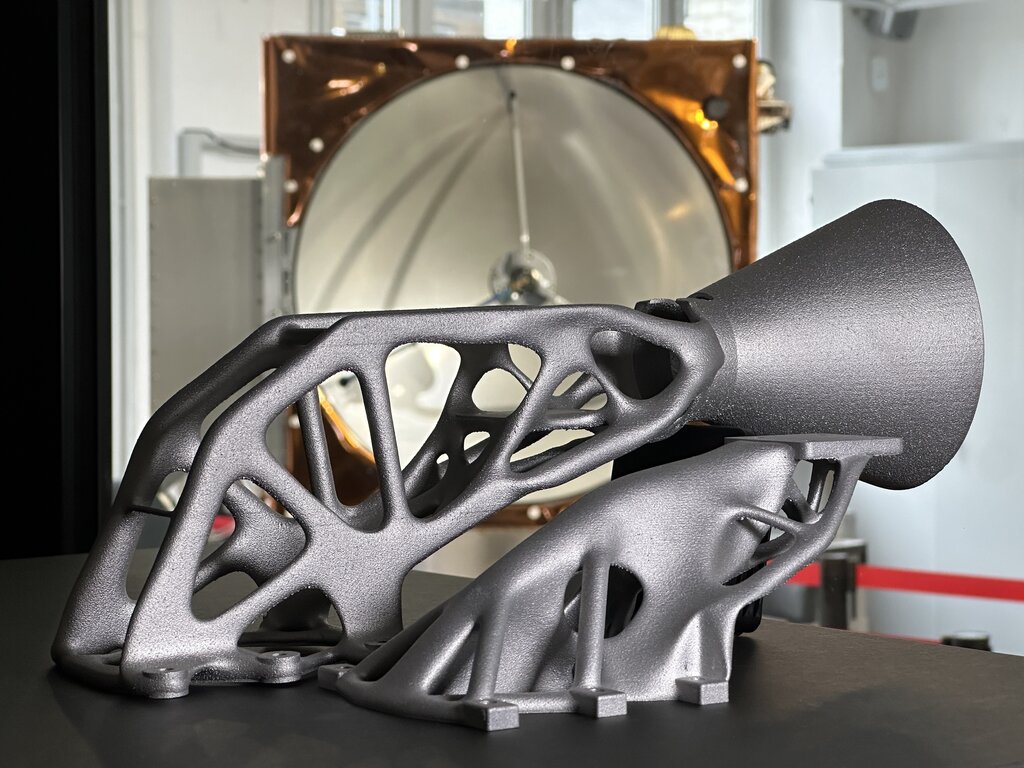
Medicine: Doctors and surgeons use 3D-printed models of patient organs to plan complex surgeries. It's also used to create custom prosthetics, implants, and dental aligners perfectly tailored to an individual.
Education: 3D printers bring concepts to life in the classroom, from printing dinosaur bones for a history lesson to visualizing complex molecules in chemistry.
The term "additive manufacturing" accurately describes 3D printing because the process involves:
A jewelry designer needs to create a highly detailed ring prototype with a very smooth surface finish. Which 3D printing technology would be the most suitable choice?
This covers the foundational concepts of 3D printing. You now know the basic workflow, the main technologies, and how these printers are changing the world.