Mastering 15-Minute Timeboxing
Dopamine Focus Neurobiology
The Brain on Distraction
Your brain is wired for reward. Every time you experience something pleasurable, from eating a good meal to getting a notification on your phone, a neurotransmitter called dopamine is released. This chemical signal doesn't just feel good; it teaches your brain what to pay attention to and what to do again. It's the engine of motivation.
Digital platforms, like social media and dating apps, are masters of this system. They deliver unpredictable, variable rewards. A 'like,' a 'match,' a new post in your feed—each one is a small dopamine hit. This creates a powerful dopamine reward loop that keeps you coming back for more, often at the expense of deeper, more meaningful work.
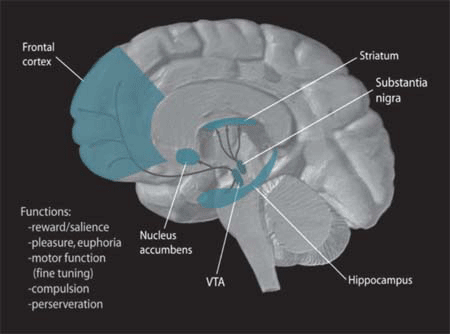
This constant stimulation puts two key brain regions in conflict. Your limbic system, the ancient, emotion-driven part of your brain, craves the instant gratification of these digital rewards. It operates on impulse. Meanwhile, your prefrontal cortex (PFC), the brain's executive center, is responsible for long-term planning, focus, and impulse control. When you try to focus on a challenging task, your PFC is working hard to keep the impulsive limbic system in check. The more you give in to digital distractions, the stronger the limbic system's pull becomes.
The Dopamine Deficit
Constantly chasing these small, frequent rewards has a downside. Neuroscientist Dr. Anna Lembke describes it as a 'pleasure-pain balance.' Think of it like a seesaw in your brain. When you experience pleasure, the seesaw tips one way, and your brain releases dopamine. But your brain craves equilibrium, or homeostasis. To restore balance, it tips the seesaw to the 'pain' side, creating a brief state of dopamine deficit. You feel a slight letdown, a craving for another hit to tip the scale back to pleasure.
With chronic overstimulation from digital sources, your brain's baseline level of dopamine gets pushed lower and lower. It's an adaptive response to the constant flood of reward signals. The result? You're left in a persistent , where everyday activities feel less engaging and focused work can feel genuinely unpleasant or even painful. Your brain now requires a much higher level of stimulation just to feel normal, making the quiet focus needed for deep work incredibly difficult to achieve.
Hacking the Reward System
If a dopamine-compromised brain struggles with long, unstructured tasks, the solution isn't to just 'try harder.' It's to work with your brain's wiring. This is where short, 15-minute work intervals come in. This approach redesigns work to be more dopamine-friendly.
The power of this method lies in the . Finishing a task, no matter how small, triggers a satisfying release of dopamine. By breaking a large project into a series of 15-minute micro-tasks, you create multiple opportunities to experience this reward. Each completed interval is a small win that provides a healthy, earned dopamine hit.
Instead of facing a daunting three-hour project that offers a single, distant reward, you engage in a series of short sprints. This transforms the task from a source of pain (due to dopamine deficit) into a reliable source of reward. You are essentially hacking your brain's reward circuitry, training it to associate focus with positive feedback.
Timeboxing exploits this reward mechanism by creating mini-deadlines that stimulate our brain’s reward centers, propelling us to focus and complete tasks more effectively.
This process leverages neuroplasticity—the brain's ability to reorganize itself. With each focused interval, you are strengthening the neural pathways associated with sustained attention. You're training your prefrontal cortex to exert more control and weakening the limbic system's impulsive pull. Over time, your capacity for deep work increases not through brute force, but by intelligently rebuilding your brain's tolerance for focus.
What is the primary role of the neurotransmitter dopamine as described in the text?
The conflict between seeking instant gratification from your phone and trying to focus on a long-term project represents a battle between which two brain systems?