Mastering 1% Daily Profit in Indian Stock Market Intraday Trading
Introduction to Intraday Trading
The 1% Daily Goal
Intraday trading is simple in principle: you buy and sell stocks on the same day. The goal is to profit from small price movements within a single trading session. Before the market closes, all your positions are squared off, meaning you end the day with no open trades. Think of it as being a shopkeeper for a day. You buy inventory in the morning and aim to sell it all for a small profit by evening, without holding any stock overnight.
Intraday Trading
noun
The practice of buying and selling financial instruments within the same trading day. All positions are closed before the market closes for the day.
The Allure and the Risk
The main advantage of intraday trading is the potential for quick returns. Aiming for a 1% profit in a day might sound small, but compounded over time, it can be powerful. Another key benefit is that you avoid overnight risk. Market-moving news can break after trading hours, causing a stock's price to gap up or down significantly the next morning. Intraday traders sleep soundly, knowing their capital is safe from these after-hours surprises.
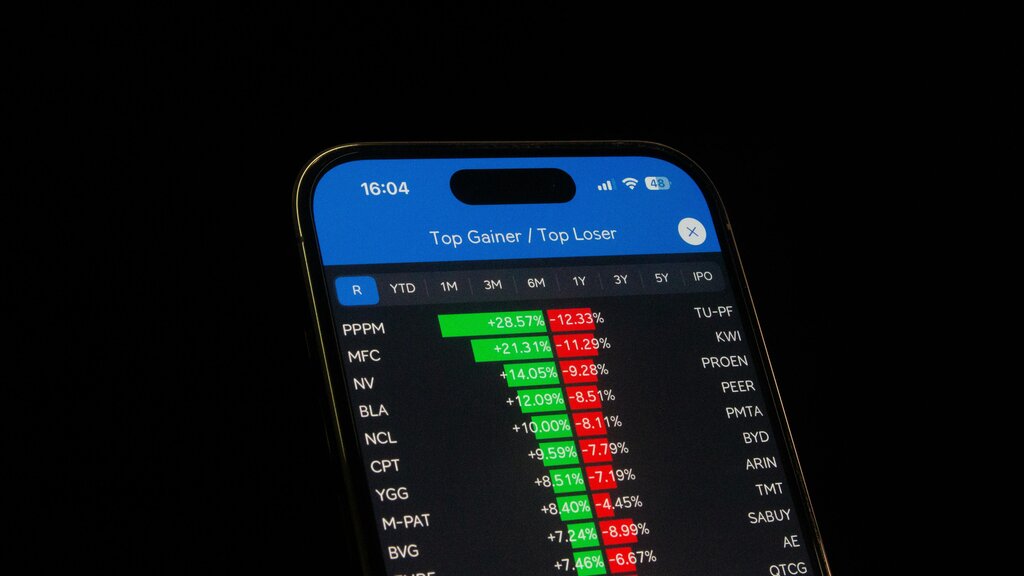
However, the challenges are just as real. The potential for quick profits comes with the risk of quick losses. The market can be volatile, and a trade can turn against you in minutes. It also demands your full attention. You can't just place a trade and walk away; you need to monitor your positions closely. This can be mentally and emotionally draining.
| Advantages | Challenges |
|---|---|
| Potential for quick profits | High risk of losses |
| No overnight market risk | Requires constant monitoring |
| Lower capital requirement (leverage) | Emotionally demanding |
| Can trade in any market condition | Transaction costs can add up |
The Indian Market Landscape
In India, most trading happens on two main stock exchanges: the National Stock Exchange (NSE) and the Bombay Stock Exchange (BSE). To trade on these exchanges, you need an account with a stockbroker. The broker provides you with the trading platform and acts as the intermediary for your buy and sell orders. Your success hinges not on luck, but on a clear, repeatable process.

Discipline is the bridge between your goals and accomplishment. Without a solid strategy, you're just gambling. A successful trader enters the market each day with a clear plan: which stocks to watch, at what price to enter, and, most importantly, at what price to exit—both for a profit and for a loss.
In trading, a good plan is more valuable than a good tip. Your strategy is your guide through the market's noise.
Using Charts to Your Advantage
How do you build a trading plan? This is where technical analysis comes in. It's the art of studying stock charts to forecast future price movements. Instead of digging through company financial reports (which is called fundamental analysis), technical analysts look for patterns, trends, and signals directly on the price chart. They believe that all known information is already reflected in the stock's price and trading volume.
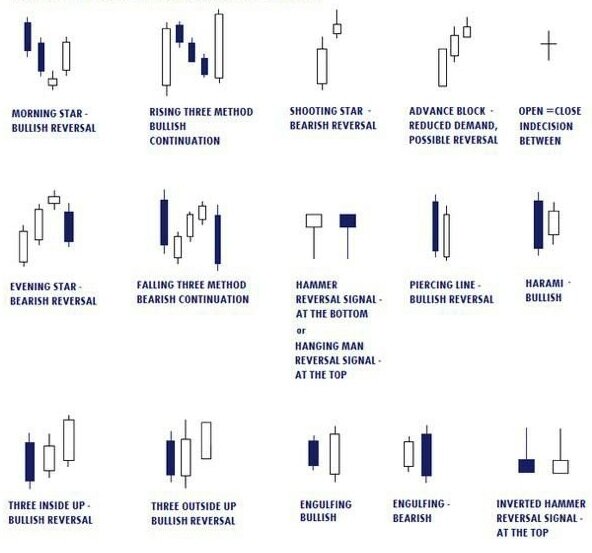
By using tools like trend lines, moving averages, and chart patterns, you can make educated guesses about where the price is headed next. This helps you identify precise entry and exit points for your trades. For an intraday trader, who needs to make decisions in minutes or hours, technical analysis is an indispensable tool for navigating the fast-paced market.
Start simple, stay consistent, and gradually build your expertise for long-term intraday trading success.
Ready to test what you've learned about the basics of intraday trading?
What is the defining characteristic of intraday trading?
A key advantage of intraday trading is that it eliminates overnight risk.
This introduction covers the essential concepts you need to begin your journey. Grasping these fundamentals—what intraday trading is, its risks, and the role of a disciplined strategy—is the first step toward consistent performance.