Mastercard Transaction Processing Explained
Introduction to Payment Ecosystem
The Payment Ecosystem
Every time you tap your card at a coffee shop or enter your details online, a simple action triggers a complex, high-speed conversation between multiple financial players. This network of institutions, technologies, and rules is known as the payment ecosystem. It's the hidden infrastructure that makes modern commerce possible, ensuring money moves from the right person to the right business, securely and reliably.
The payment ecosystem is the arrangement of people, technology, and regulations that allow money to flow to and from you, your customers, and banks.
To understand how it all works, you first need to know the cast of characters. While it might seem like a transaction is just between you and the merchant, there are actually five key players involved in almost every card payment.
The Five Key Players
Let's break down who does what in this financial relay race. Each entity has a distinct and essential role.
Cardholder
noun
The individual who owns the payment card and initiates the transaction to purchase goods or services.
This is the easiest one to understand—it's the customer. When you use your card, you are the cardholder. Your primary relationship is with the bank that gave you the card.
Merchant
noun
The business or individual that accepts card payments in exchange for goods or services.
The merchant is the seller, whether it's a large retail chain, a small local shop, or an e-commerce website. To accept card payments, they need a special account with a bank.
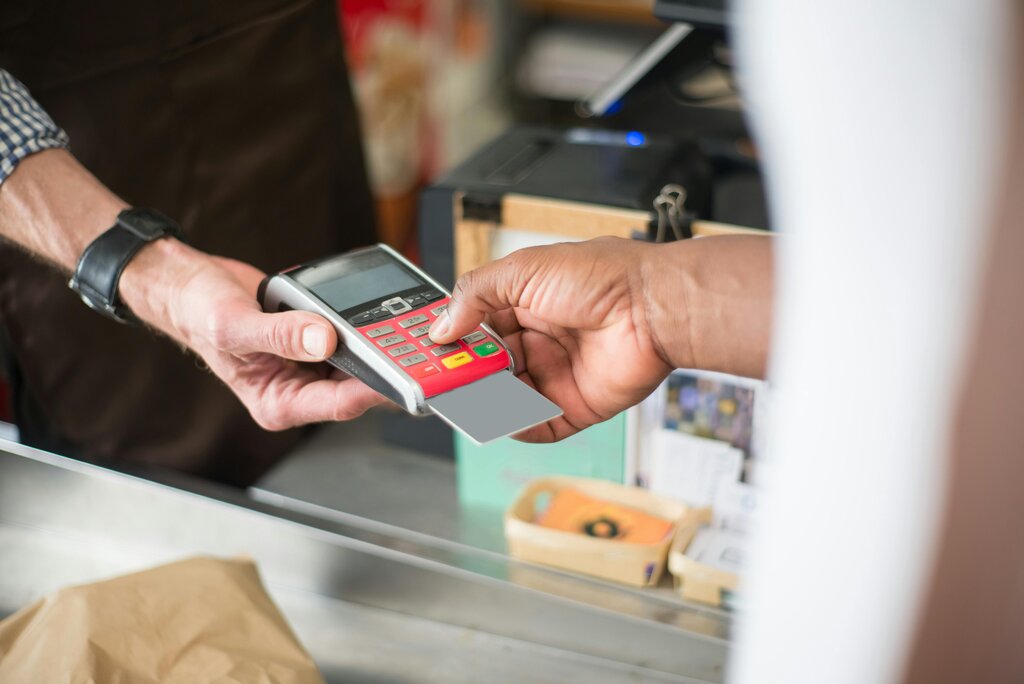
Issuer
noun
The bank or financial institution that provides the payment card to the cardholder and extends credit or provides access to funds.
The issuer is the cardholder's bank. It's the institution whose logo is usually on the card, right next to the network's logo (like Mastercard). The issuer is responsible for approving or declining the transaction based on the cardholder's account status and available funds or credit limit.
Acquirer
noun
The bank or financial institution that provides the merchant with the ability to accept card payments. It processes transactions on behalf of the merchant.
Also known as the merchant's bank, the acquirer provides the merchant with the necessary hardware (like a card terminal) and software to accept payments. It receives the transaction details from the merchant and routes them to the payment network to seek authorization from the issuer.
Payment Network
noun
The central entity that facilitates communication and fund transfers between issuers and acquirers.
This is where Mastercard comes in. Payment networks like Mastercard, Visa, and American Express act as the central hub and rule-makers of the ecosystem. They don't issue cards or hold accounts themselves. Instead, they provide the technological rails that connect thousands of issuing and acquiring banks globally. They pass transaction information back and forth and ensure everyone gets paid correctly.
This diagram shows how the players connect. The cardholder starts the process, but the payment network is the core facilitator, ensuring the acquirer and issuer can communicate to approve the transaction and eventually move the money.
Now that you've met the main players, let's test your knowledge.
Which entity is responsible for approving or declining a transaction based on the cardholder's account status?
In the payment ecosystem, which player acts as the central hub, connecting thousands of banks and setting the rules for transactions?
Understanding these roles is the first step. Next, we'll look at how they interact during each stage of a transaction's life.