Master Your Week with Meal Prep
Understanding Meal Planning
The Art of Meal Planning
Meal planning is simply deciding what you’ll eat before you have to eat it. Instead of asking "what's for dinner?" every night, you answer that question once for the whole week. It’s a roadmap for your meals that guides your grocery shopping and cooking.
The payoff is huge. With a plan, you save time on busy weeknights because the decision is already made. You also save money. Your grocery trips become targeted missions for specific ingredients, which means fewer impulse buys and less food waste. When you know what you have and what you'll use it for, food doesn't get lost in the back of the fridge.
A well-thought-out meal plan can help you improve the quality of your diet or reach a specific health goal while saving you time and money.
Beyond the practical benefits, a solid meal plan can reduce daily stress and help you make healthier choices. When you're not scrambling for a last-minute meal, you're less likely to opt for less nutritious takeout.
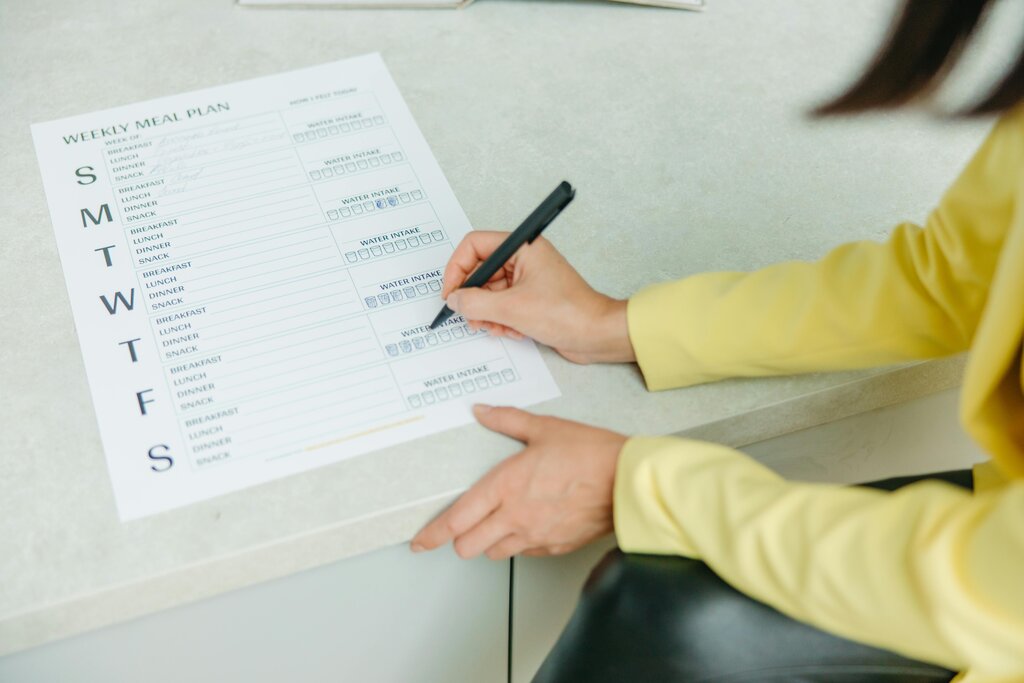
How to Create Your Plan
Getting started is easier than you think. You don't need a complicated system. Just a pen and paper or a note on your phone will do. Here’s a simple, step-by-step approach:
| Step | Action | Why it Works |
|---|---|---|
| 1. Check Your Schedule | Look at your week. Note any nights you'll be out, working late, or too busy to cook. | This helps you plan for quick meals on busy days and more involved ones when you have time. |
| 2. Take Inventory | See what you already have in your pantry, fridge, and freezer. | Planning meals around ingredients you own prevents waste and trims your grocery bill. |
| 3. Choose Your Meals | Pick recipes for the week. You can start with just dinners. | Theme nights like "Taco Tuesday" or "Pasta Wednesday" can make this step simpler and more fun. |
| 4. Write It Down | Fill in your calendar or planner with your meal choices for each day. | A written plan makes you more likely to follow through. |
| 5. Make a Grocery List | Based on your meal plan and inventory, write down exactly what you need to buy. | This prevents overbuying and ensures you have everything you need for the week. |
Making It Your Own
Your meal plan should work for you. It needs to fit your tastes, health goals, and lifestyle. If you have specific dietary needs, like eating more vegetables or reducing sodium, build your plan around those requirements. Choose meals you genuinely enjoy eating.
Don't feel pressured to plan every single meal and snack from day one. If that feels overwhelming, start small. Plan just three dinners for the upcoming week. Once that becomes a habit, you can expand your plan to include more meals. The best plan is one you can stick with consistently.
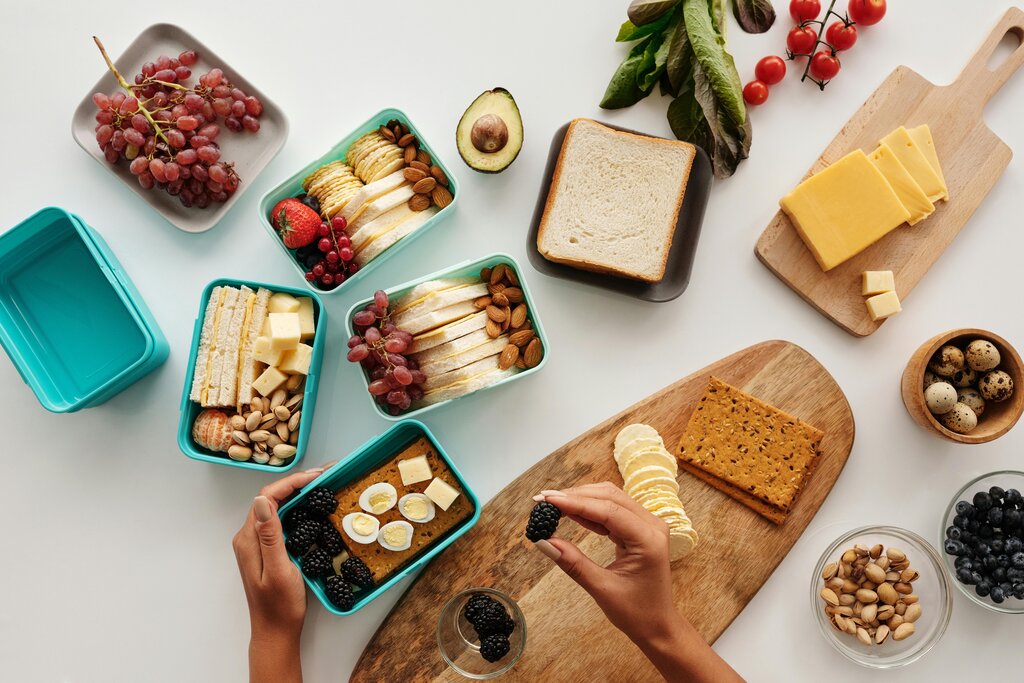
Think of it as a flexible guide, not a rigid set of rules. If you decide to swap Tuesday's meal for Thursday's, that's fine. The goal is to bring intention and ease to your eating habits.
What is the primary purpose of meal planning?
Which of the following is a key financial benefit of meal planning mentioned in the text?