Master Your Week with Meal Prep
Meal Planning Basics
Why Plan Your Meals?
Meal planning is simply the act of deciding what you’ll eat for a period of time, like the upcoming week. It might sound like a chore, but it’s a powerful tool for saving both time and money. When you have a plan, you eliminate the daily “what’s for dinner?” stress. You also make fewer last-minute trips to the store, which often lead to impulse buys and overspending.
A good plan helps you use the food you already have, cutting down on waste. Instead of letting that half-bunch of cilantro wilt in the fridge, you can plan a meal that uses it up. This small habit can lead to big savings on your grocery bill and less time worrying about food.
A well-thought-out meal plan can help you improve the quality of your diet or reach a specific health goal while saving you time and money.
Start with What You Have
Before you even think about new recipes, take a look at your current habits and your kitchen stock. What do you typically eat? How often do you cook versus order takeout? Understanding your baseline is the first step to making a plan that you'll actually stick with.
Next, conduct a kitchen inventory. Open your pantry, fridge, and freezer. What ingredients do you already own? Jot down everything you have, from spices and canned goods to frozen vegetables and meats. This list will be the foundation of your first meal plan, helping you build meals around items you’ve already paid for.
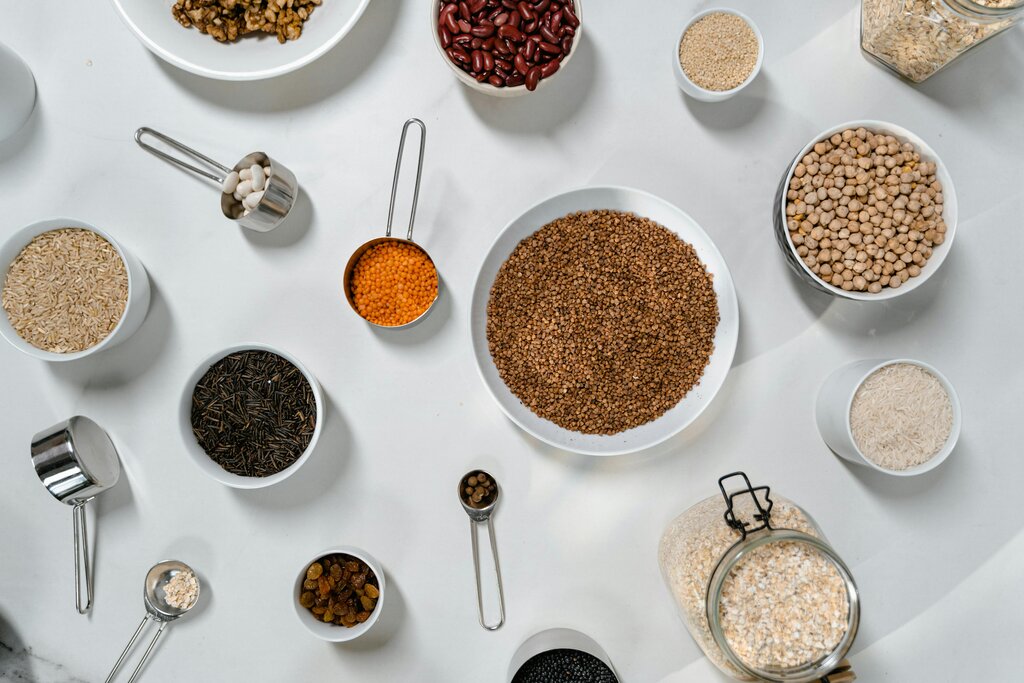
With your inventory complete, set a simple, realistic goal. Don't try to plan every single meal for the next month. A great starting point is to plan just three dinners for the upcoming week. Your goal could be anything from “cook dinner on Monday, Wednesday, and Friday” to “pack a healthy lunch twice this week.” Starting small makes the process feel manageable and helps build a lasting habit.
A good goal to start with: Plan just a few meals for the week. You can always add more later.
Create Your Weekly Plan
Now for the fun part: building the plan. You can use a notebook, a whiteboard, or a simple app. Create a grid for the week and start plugging in the meals you decided to plan. Remember your inventory? Pick recipes that use up those ingredients first.
To be efficient, choose meals that share components. For example, if you cook a large batch of rice on Monday, you can use it as a side for one meal and the base for a stir-fry or grain bowl later in the week. Roasting a big tray of vegetables can provide sides for two different dinners. This strategy, sometimes called “batch cooking,” saves a lot of time.
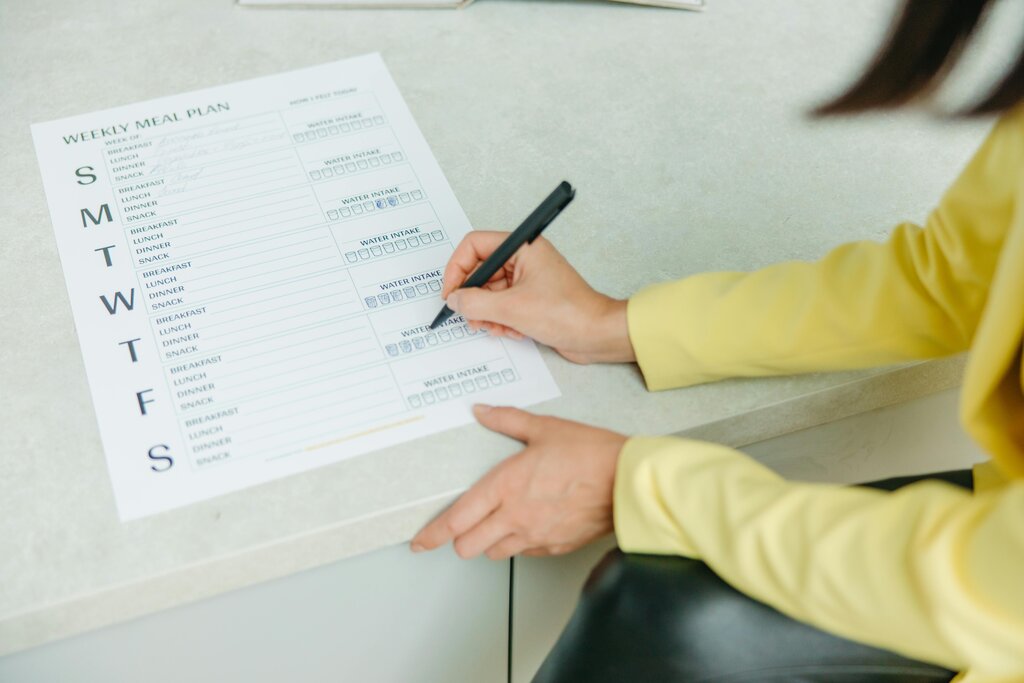
Here's a sample thought process for planning three dinners using common ingredients:
- Inventory Check: You have chicken, onions, bell peppers, tortillas, and a can of black beans.
- Meal 1 (Monday): Chicken Fajitas. You'll use the chicken, onions, and peppers. You only need to buy a fajita seasoning packet and maybe some sour cream.
- Meal 2 (Wednesday): Black Bean and Veggie Quesadillas. This uses up the tortillas, the rest of the peppers and onions, and the can of black beans. You'll just need cheese.
- Meal 3 (Friday): Leftover Remix Bowl. Combine any remaining chicken, veggies, and black beans over a bed of rice or greens.
This approach minimizes your shopping list and ensures ingredients don't go to waste. As you get more comfortable, you can expand your plan to include more meals, breakfasts, or lunches.
Ready to test your knowledge?
What is the primary benefit of meal planning as described in the text?
What is the recommended first step to take before you start creating your meal plan?
Meal planning is a flexible skill. Find a rhythm that works for you, and don't worry if you have to swap days or opt for takeout occasionally. The goal is progress, not perfection.