Master Your Week Meal Prep
Meal Planning Basics
The What and Why of Meal Planning
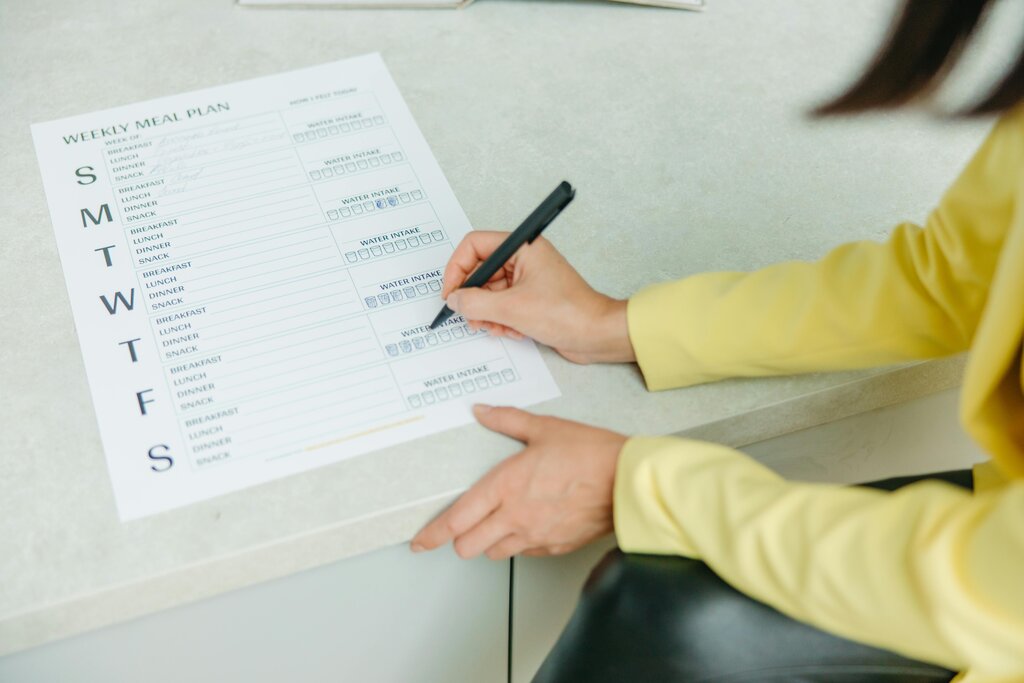
Meal planning is simply deciding what you’ll eat ahead of time. It’s not a strict diet or a complicated chore. Think of it as a roadmap for your meals. It saves you from the daily “what’s for dinner?” scramble, helps you use the food you buy, and can significantly cut down on your grocery bills.
A well-thought-out meal plan can help you improve the quality of your diet or reach a specific health goal while saving you time and money.
Instead of making last-minute decisions when you're tired and hungry, which often leads to takeout or expensive impulse buys, you have a clear, simple path to follow. It turns cooking from a stressful task into a manageable part of your routine.
Know Thyself, Feed Thyself
Before you write down a single meal, take a moment to assess your situation. What do you and your family actually enjoy eating? There's no point in planning a week of kale salads if everyone hates kale. Start by listing 5-10 meals that are already favorites.
Next, consider your dietary needs. Are there any allergies or intolerances? Are you trying to eat less meat, reduce sugar, or add more fiber? Your meal plan is your tool to make these goals a reality. Also, think about your schedule. If Tuesdays are packed with after-school activities, that’s a great night for a quick 20-minute meal or leftovers, not a three-hour roast.
Your meal plan should work for your life, not the other way around. Be realistic about your time, tastes, and budget.
If you're feeling overwhelmed, don't try to plan every breakfast, lunch, dinner, and snack for seven days. Start small. Plan just your dinners for the next three days. Once that feels comfortable, you can expand. The goal is to build a habit that sticks.
Build a Balanced Plate
A balanced meal keeps you full and energized. A simple way to think about this is to divide your plate into sections. Aim to fill about half your plate with vegetables, a quarter with a protein source, and a quarter with carbohydrates like whole grains or starchy vegetables.
Understanding portion sizes doesn’t require measuring cups for every meal. You can use your hand as a rough guide:
- A palm-sized portion for protein (chicken, fish, tofu)
- A fist-sized portion for vegetables
- A cupped hand for carbohydrates (rice, pasta, potatoes)
- A thumb-sized portion for fats (oils, butter, cheese)
This isn't an exact science, but it's a practical way to keep portions in check and ensure a good mix of nutrients.
| Protein | Carbohydrates | Vegetables & Fruits |
|---|---|---|
| Chicken, beef, fish | Brown rice, quinoa | Broccoli, spinach, peppers |
| Eggs, tofu, lentils | Potatoes, sweet potatoes | Apples, bananas, berries |
| Beans, chickpeas | Whole wheat pasta, bread | Carrots, onions, tomatoes |
Shop Your Pantry First
Before you make a grocery list, take a look at what you already have. Check your pantry, fridge, and freezer. That half-used bag of quinoa, the can of black beans, and those frozen vegetables are the perfect starting points for a meal. This habit is key to reducing food waste and saving money.
Plan your first few meals around ingredients you need to use up. This simple step can prevent food from expiring and make your grocery trips shorter and cheaper.
For example, if you have pasta, a can of tomatoes, and some frozen ground meat, you’re already most of the way to a spaghetti bolognese. All you might need to buy is an onion and some garlic. Building meals from your existing inventory is one of the most efficient ways to plan.
What is the primary purpose of meal planning, as described in the text?
When building a balanced meal, what is the recommended way to fill your plate?
By starting with these fundamentals, you can create a meal planning routine that fits your lifestyle, helps you eat better, and puts a little extra money back in your pocket.