Master Your Time With Time Blocking
Understanding Time Blocking
What is Time Blocking?
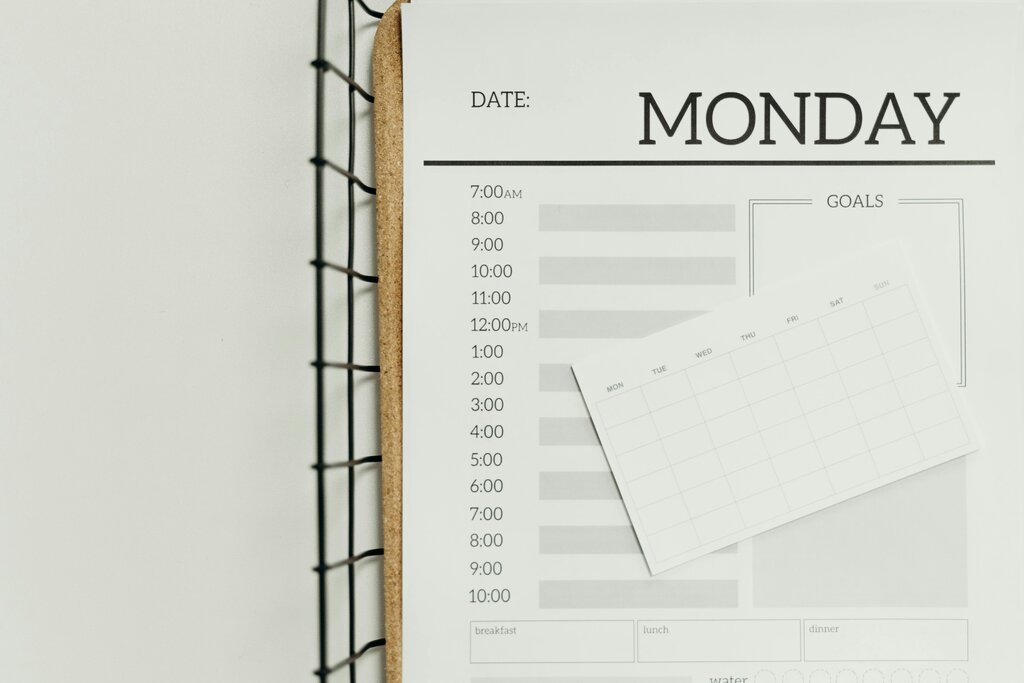
Instead of a simple to-do list, which only tells you what you need to do, time blocking tells you when you’re going to do it. The core idea is simple: you schedule your entire day by dividing it into specific blocks of time, and you assign a task or activity to each block.
Time blocking is a time management method where you divide your day into blocks of time, each dedicated to a specific task or group of tasks.
This means everything gets a place on your calendar, from important work projects to lunch breaks, exercise, and even scrolling through social media. By giving every task a time slot, you create a concrete plan for your day rather than reacting to things as they come up.
The Benefits of a Blocked Schedule
One of the biggest advantages of time blocking is that it helps you focus. When you dedicate a specific block of time to a single task, like “Write report from 9 AM to 11 AM,” you’re less likely to be distracted by emails or other smaller tasks. This practice of focusing on one thing at a time is often called “deep work.”
It also helps you tackle the important but not urgent tasks—the ones that are easy to push off. Think of activities like planning for the future, learning a new skill, or even exercising. These are crucial for long-term goals and well-being, but they often get ignored in favor of more immediate demands. By scheduling them, you ensure they get done.
Time blocking turns your intentions into a concrete plan, making it more likely you'll follow through on your goals.
This method also reduces stress. Knowing you have dedicated time for all your important tasks helps you relax. You don't have to worry about when you'll fit something in, because it's already on the schedule. This creates a better balance between work, personal life, and rest.
A Simple Example
So what does this look like in practice? It doesn't have to be complicated. You can use a digital calendar or a simple notebook. The goal is to map out your day ahead of time.
| Time Slot | Task |
|---|---|
| 8:00 - 9:00 AM | Review emails & plan day |
| 9:00 - 11:00 AM | Work on Project A (deep work) |
| 11:00 - 11:30 AM | Team meeting |
| 11:30 AM - 12:30 PM | Prepare for afternoon client call |
| 12:30 - 1:30 PM | Lunch & walk |
| 1:30 - 3:00 PM | Client call & follow-up tasks |
| 3:00 - 4:00 PM | Study for certification exam |
| 4:00 - 5:00 PM | Handle small administrative tasks |
Notice how the schedule includes breaks and distinguishes between focused work and smaller tasks. Your own schedule will look different, but the principle is the same: be intentional with your time. You are the one in charge of your day.
Let's check your understanding of these ideas.
What is the primary difference between a traditional to-do list and time blocking?
The practice of dedicating a specific block of time to a single task without distraction is also known as __________.
By planning your day in blocks, you can create more focus, reduce stress, and make time for what truly matters.