Master Your Student Budget
Understanding Income and Expenses
Money In, Money Out
Before you can manage your money, you need to know exactly what you're working with. This means getting a clear picture of all the money coming in and all the money going out. It’s the foundation of any financial plan, big or small.
Start by identifying all your sources of income, including part-time jobs, financial aid, scholarships or support from family.
Think of your income as any money you receive that you can use to pay for things. For most students, this falls into a few common categories.
| Income Source | Description |
|---|---|
| Part-Time Job | Wages earned from employment. |
| Financial Aid & Scholarships | Money from your school or government that doesn't need to be repaid. |
| Student Loans | Borrowed money that must be repaid with interest. |
| Family Support | Money provided by parents or other relatives. |
| Savings | Money you've already saved up and plan to use. |
Grab a notebook or open a spreadsheet and list every dollar you expect to receive over the next few months. It doesn't have to be perfect, but a realistic estimate is key.
Where Does It Go?
Now let's look at the other side: expenses. These are all the things you spend money on. It’s helpful to split them into two groups: fixed and variable.
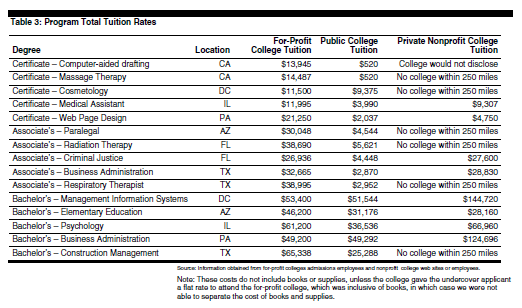
Fixed expenses are costs that stay the same each month. They are predictable and usually have a set due date. Think of them as your financial bedrock. They're not going anywhere, so you have to plan for them.
Common examples include:
- Tuition and fees
- Rent or housing payments
- Car payment
- Phone bill
- Scheduled loan payments
Because they are predictable, fixed expenses are the easiest part of your budget to plan for.
Variable expenses are costs that change from month to month. This is where your daily choices have the biggest impact. How much you spend on groceries, gas, or going out with friends can fluctuate a lot.
These often include:
- Groceries and dining out
- Gas and transportation
- Textbooks and school supplies
- Entertainment
- Shopping for clothes or personal items
Understanding this difference is crucial. You can't change your rent payment mid-semester, but you can decide to cook at home more often to lower your food costs. This is where you have control.
Time to see how well you've grasped these concepts.
What is the essential first step to managing your money, according to the text?
Which of the following is the best example of a fixed expense?
Knowing your income and expenses is the first step toward financial control. Once you see the numbers clearly, you can start making informed decisions.