Master Your Student Budget
Understanding Income and Expenses
Where Your Money Comes From
Before you can manage your money, you need a clear picture of what's coming in. For most students, money doesn't just flow from one place. It's usually a mix of different sources, each with its own rules and expectations.
Think of your income as the different streams that flow into your financial reservoir. Some are steady, while others might only appear once a semester.
Let's break down the most common sources:
- Financial Aid: This is a broad category that includes scholarships and grants. The key thing to remember is that this is money you don't have to pay back. It might come directly from your school, the government, or a private organization. It's often designated for specific costs, like tuition.
- Part-Time Work: Money from a job is often the most flexible income you have. Whether you're working on campus or off, this is money you earn that can be used for daily expenses.
- Parental or Family Support: Many students receive help from their families. This might be a regular allowance, help with big bills like rent, or occasional support for unexpected costs.
Knowing exactly where your money originates is the first step toward controlling it. Is it a one-time scholarship, or is it a bi-weekly paycheck? The source often dictates how and when you can use it.
Where Your Money Goes
Just as important as knowing what comes in is understanding what goes out. Expenses are anything you spend money on. It's easy to lose track of these, especially the small, everyday purchases. Grouping them into categories makes them easier to see.
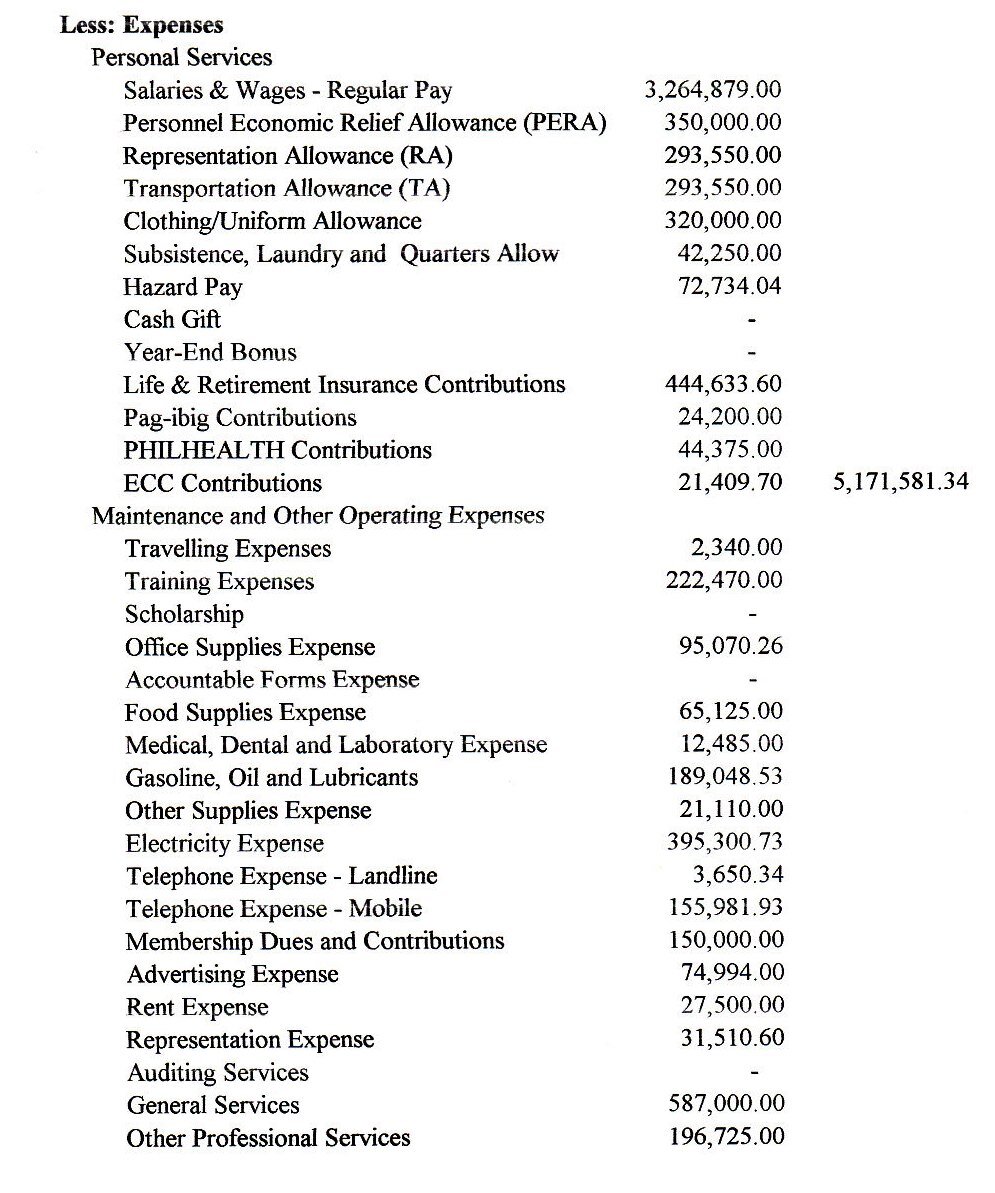
Common student expenses include:
- School Costs: This is the big one. It covers tuition and all the associated fees your college charges.
- Housing and Utilities: Whether you're in a dorm or an off-campus apartment, you'll have costs for rent and utilities like electricity, water, and internet.
- Food: This includes groceries if you cook for yourself and any money you spend eating out or grabbing coffee.
- Transportation: How do you get around? This could be gas and insurance for a car, a public transit pass, or rideshare fees.
- Personal and Social: This category covers everything else, from toiletries and textbooks to movie tickets and late-night pizza runs. These costs can add up surprisingly fast.
Fixed vs. Variable Costs
Not all expenses are created equal. Some are predictable and stay the same month to month, while others change based on your choices and needs. Understanding the difference is key to planning.
Fixed Expense
noun
A cost that remains the same each payment period.
Fixed expenses are the pillars of your budget. They're consistent and predictable. You know they're coming and exactly how much they'll be. Your rent or a car payment are perfect examples.
Variable Expense
noun
A cost that changes from one period to the next.
Variable expenses are where you have more control. These costs fluctuate. You might spend more on groceries one month and less the next. Your spending on entertainment, clothes, and travel also falls into this category. Here's a quick comparison:
| Fixed Expenses | Variable Expenses |
|---|---|
| Rent/Dorm Fees | Groceries |
| Tuition Payments | Eating Out |
| Car Payment | Gas/Transportation |
| Phone Bill | Entertainment |
| Insurance | Books & Supplies |
| Streaming Subscriptions | Personal Care |
Why Tracking Matters
You can't manage what you don't measure. The simple act of tracking your income and expenses builds financial awareness. It’s like turning the lights on in a dark room; suddenly, you can see where everything is.
Tracking shows you your habits. You might discover you're spending more on coffee than you thought, or that a subscription you forgot about is still charging you every month. This isn't about judging your spending. It's about gathering information.
When you know the patterns of your financial life—how much comes in, when it arrives, and where it goes—you gain control. This awareness is the foundation for making smarter financial decisions, reducing stress, and building a secure future.
Now, let's test your understanding of these core financial concepts.
Which of the following is an example of income that typically does not need to be repaid?
Money spent on groceries, coffee, and eating out falls under which primary expense category?
With a clear view of your income and expenses, you're ready to start telling your money where to go, instead of wondering where it went.