Master Your Sleep for Peak Performance
Understanding Sleep Basics
The Architecture of Sleep
Falling asleep isn't like flipping a switch. Your brain doesn't just turn off for the night. Instead, it enters a highly organized, active state with a distinct pattern. This pattern is called a sleep cycle, and you go through several of them each night.
Each cycle lasts about 90 minutes and is made up of different stages. Think of it like a journey your brain takes, descending into deep rest and then rising back up again.
Sleep is broadly divided into two types: Non-Rapid Eye Movement (NREM) and Rapid Eye Movement (REM).
NREM Sleep has three stages:
- N1: This is the dozing-off stage. You're easily woken up, and your muscles might twitch as they relax.
- N2: You're in a light but steady sleep. Your body temperature drops, and your heart rate and breathing slow down. You spend most of your total sleep time in this stage.
- N3: This is deep sleep, also known as slow-wave sleep. It's much harder to wake someone from this stage. This is when your body does most of its physical repair and growth.
REM Sleep is where the action happens. Your eyes move rapidly behind your eyelids, your breathing becomes irregular, and your brain activity looks similar to when you're awake. This is the stage where most vivid dreaming occurs. To keep you from acting out your dreams, your body is temporarily paralyzed.
The Brain's Internal Clocks
What makes you feel sleepy at night and alert during the day? It's not just about being tired. Two key biological processes work together to regulate your sleep-wake cycle.
- Circadian Rhythm (Process C): Your body’s 24-hour master clock.
- Sleep Pressure (Process S): Your body's built-up need for sleep.
Your circadian rhythm is controlled by a tiny region in your brain's hypothalamus called the suprachiasmatic nucleus, or SCN. The SCN acts like a conductor, keeping all your body's internal clocks in sync. Its main cue is light. When light hits your eyes, the SCN tells your body it's daytime, promoting wakefulness and suppressing the sleep hormone melatonin.
As darkness falls, the SCN signals the release of melatonin, making you feel drowsy.
Meanwhile, sleep pressure builds steadily the longer you're awake. A chemical called adenosine accumulates in your brain throughout the day. The more adenosine, the sleepier you feel. When you sleep, your brain clears this adenosine away, reducing the pressure and preparing you to feel refreshed when you wake up. This is precisely why caffeine works—it temporarily blocks adenosine receptors in your brain, tricking it into feeling less tired.
Ideally, these two systems work in harmony. As your circadian rhythm signals that it's time for bed in the evening, your sleep pressure is at its highest. This powerful combination makes it easy to fall asleep and stay asleep.
Why Sleep Is a Brain Supercharger
Sleep isn't passive downtime; it's a critical period for brain maintenance and optimization. Different sleep stages perform different cognitive jobs, making sleep essential for learning, memory, and clear thinking.
The most well-known benefit of sleep is memory consolidation. During the day, you learn countless new things. Your brain stores these experiences as fragile, short-term memories. During sleep, it replays these experiences, strengthening the important neural connections and transferring them to more permanent storage areas. This is how learning sticks.
Sleep is crucial for memory consolidation, underpinning effective learning.
Deep NREM sleep is vital for consolidating declarative memories, which are facts and personal experiences. REM sleep, on the other hand, is crucial for procedural memory (learning a new skill, like playing the piano) and for processing emotions.
Sleep also helps with attention and problem-solving. When you're sleep-deprived, the activity in your prefrontal cortex—the brain's command center—is reduced. This impairs your judgment, creativity, and ability to focus. A good night's sleep restores its function, allowing you to think clearly and tackle complex problems.
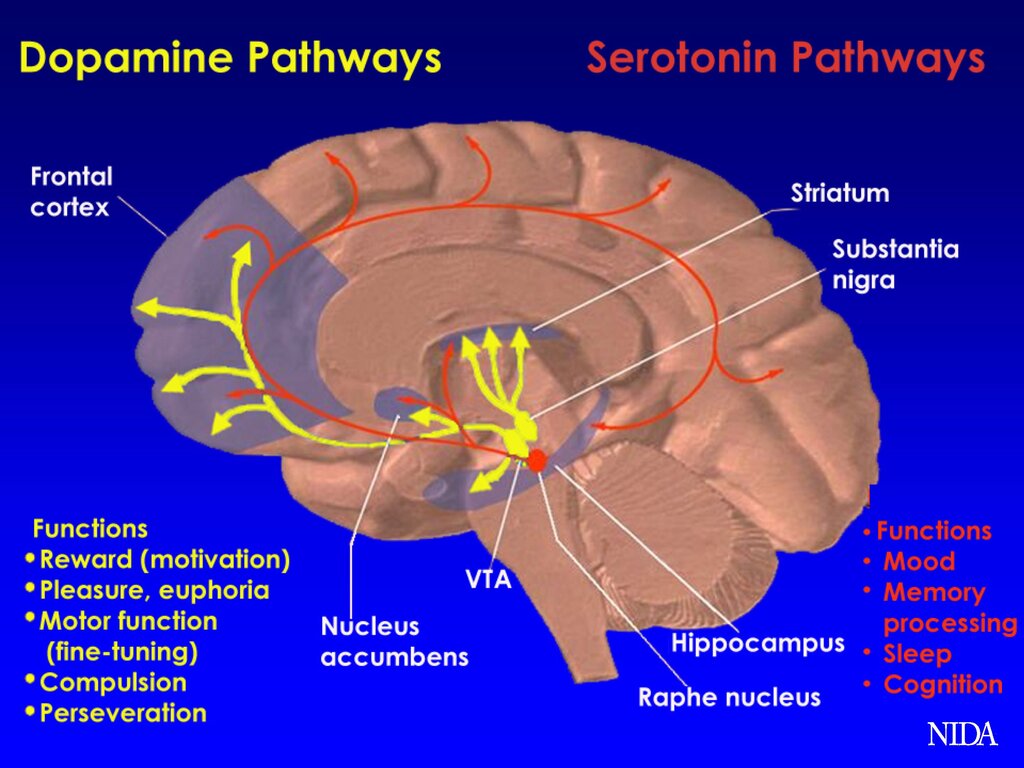
Finally, sleep performs a vital cleanup service. While you sleep, your brain clears out metabolic waste products that accumulate during waking hours. This process helps maintain brain health and ensures your neurons can communicate effectively the next day.
Which stage of sleep is also known as slow-wave sleep and is crucial for physical repair and growth?
The buildup of the chemical _______ throughout the day creates 'sleep pressure', making you feel progressively sleepier.
Understanding these basics reveals that sleep is an active and indispensable part of our lives, profoundly shaping how we learn, remember, and experience the world.