Master Your Sleep for Peak Performance
Understanding Sleep Basics
The Stages of Sleep
Sleep isn't just an on-or-off state. When you fall asleep, your brain cycles through different stages, each with a unique purpose. The two main types are Non-Rapid Eye Movement (NREM) sleep and Rapid Eye Movement (REM) sleep. A full sleep cycle, moving through all the stages, typically lasts about 90 to 110 minutes. Most adults go through four to six of these cycles each night.
Let's break down what happens in each stage.
NREM Stage 1 (N1): This is the light doze when you're first drifting off. Your muscles relax, and your brain waves start to slow down. It's easy to be woken up during this brief stage.
NREM Stage 2 (N2): You spend the most time in this stage—about half of your total sleep time. Your body temperature drops, and your heart rate slows. Your brain produces short bursts of activity called sleep spindles, which are thought to play a role in consolidating memories.
NREM Stage 3 (N3): This is deep sleep. It’s much harder to wake someone from this stage, and if you do, they’ll likely feel groggy. N3 is critical for physical restoration. During this time, your body repairs tissues, builds bone and muscle, and strengthens the immune system.
REM Sleep: About 90 minutes after falling asleep, you enter your first REM stage. Your eyes move rapidly behind your eyelids, your breathing becomes faster, and your brain activity looks similar to when you're awake. This is when most vivid dreaming occurs. REM sleep is essential for memory consolidation, learning, and emotional processing.
Your Body's Internal Clock
Why do you feel sleepy around the same time each night and wake up around the same time each morning? You can thank your circadian rhythm. This is a 24-hour internal clock that runs in the background of your brain, cycling between sleepiness and alertness at regular intervals. It's also known as your sleep/wake cycle.
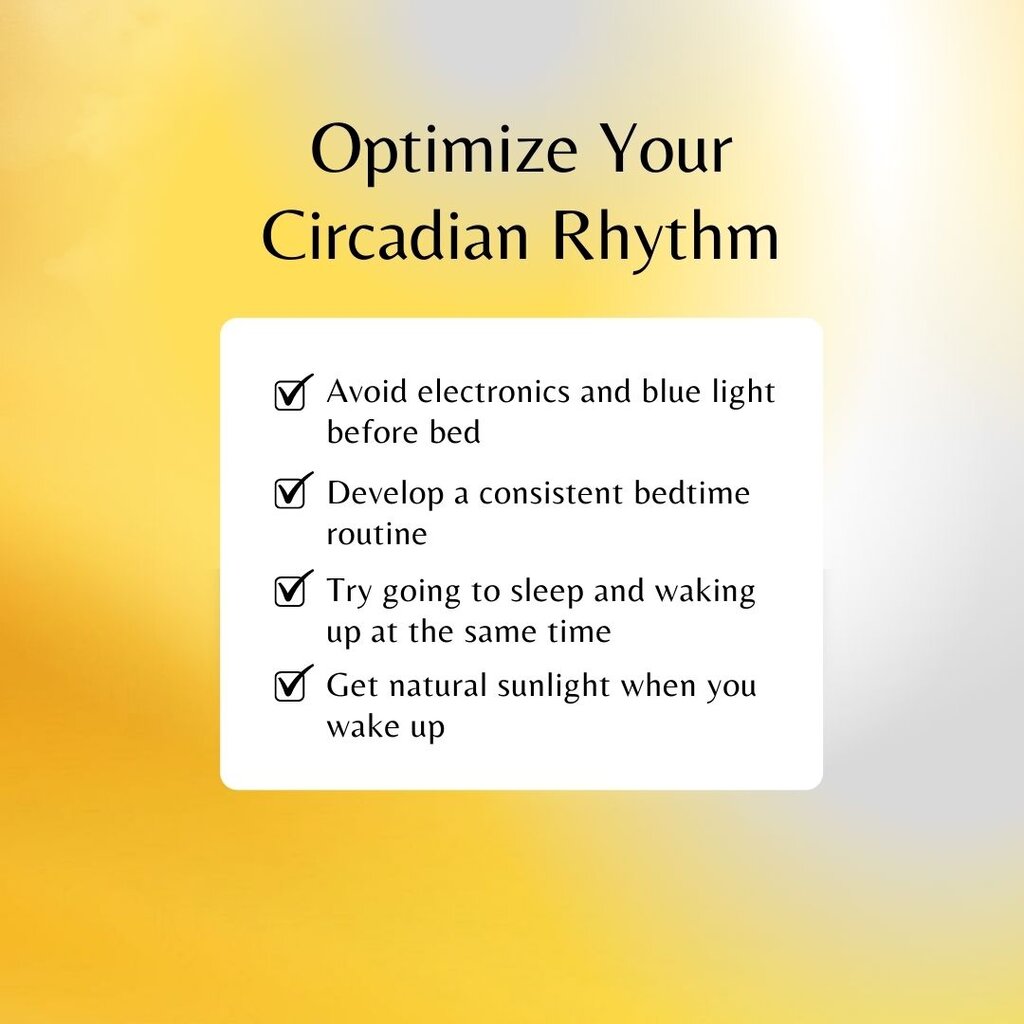
Your circadian rhythm is primarily controlled by a part of your brain called the hypothalamus. However, it doesn't work in isolation. It responds to cues from the environment, with the most important one being light.
When light enters your eyes, it signals to your brain that it's daytime, promoting wakefulness. As it gets dark, your brain gets the signal to produce melatonin, a hormone that makes you feel drowsy. This is why using bright screens before bed can disrupt sleep—the blue light tricks your brain into thinking it's still daytime, suppressing melatonin production.
Keeping a consistent sleep schedule, even on weekends, helps keep your circadian rhythm in sync. This makes it easier to fall asleep at night and wake up feeling refreshed.
Why Sleep Matters
Getting enough quality sleep is not a luxury; it's a biological necessity. Every stage of sleep plays a role in keeping you healthy.
Physically, sleep is when your body does its most important repair work. It heals damaged cells, strengthens your immune system to fight off illness, and regulates hormones that control appetite and metabolism. A lack of deep sleep can leave you feeling run down and more vulnerable to getting sick.
Mentally, sleep is just as crucial. It's when your brain processes and stores the information you learned during the day, solidifying memories so you can recall them later. It also helps regulate your mood. After a good night's sleep, you're better equipped to handle stress, solve problems, and think creatively.
Good sleep isn't just about rest; it's an active process that keeps your body and mind healthy.
Now, let's test what you've learned about the fundamentals of sleep.
In which stage of sleep does most vivid dreaming occur, accompanied by rapid eye movements and brain activity similar to wakefulness?
Using a smartphone with a bright screen right before bed can interfere with sleep primarily because the blue light it emits:
Understanding these basics is the first step toward building better sleep habits and improving your overall well-being.