Master Your Sleep for Peak Performance
Understanding Sleep Basics
The Architecture of Sleep
Sleep isn't like flipping a switch. Your brain doesn't just turn off for the night. Instead, it moves through a highly structured series of stages, each with a unique purpose. Think of it as a nightly maintenance routine for your mind and body.
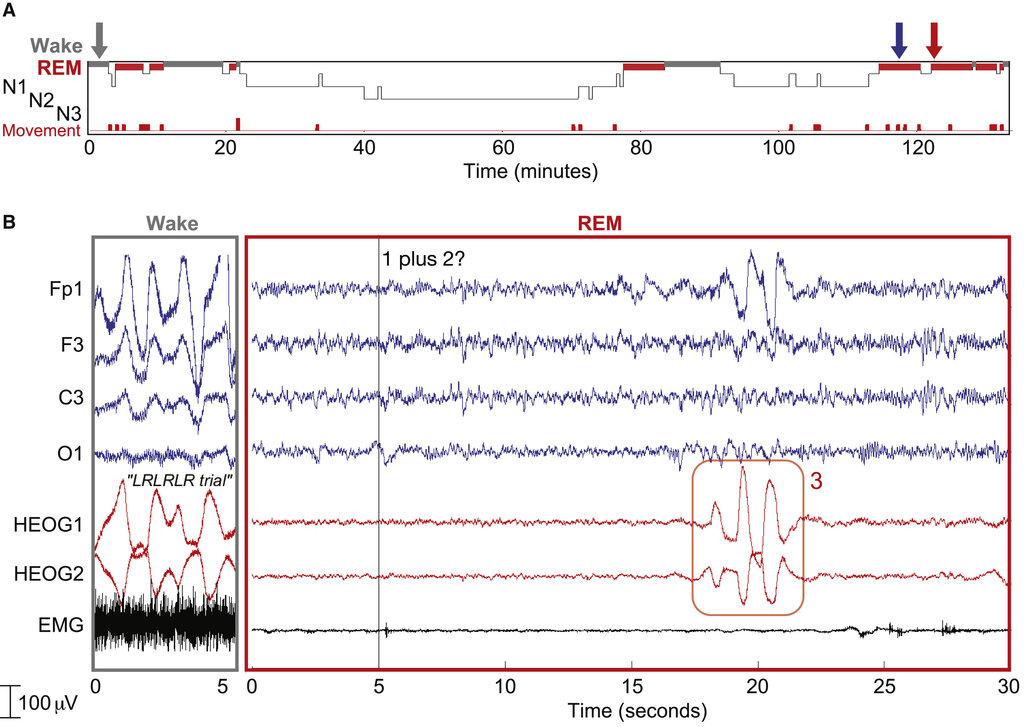
The two main types of sleep are Non-Rapid Eye Movement (NREM) and Rapid Eye Movement (REM). Most of your night is spent in NREM sleep, which is broken down into three different stages. REM sleep is when your most vivid dreams happen.
The Nightly Cycle
Throughout the night, you cycle through all the sleep stages multiple times. One full cycle takes about 90 to 110 minutes.
Here’s how a typical cycle unfolds:
- NREM Stage 1 (N1): This is the light, drowsy stage of sleep that lasts for just a few minutes. Your heartbeat, breathing, and eye movements slow down, and your muscles relax.
- NREM Stage 2 (N2): You spend about half your total sleep time in this stage. Your body temperature drops, and brain waves slow down with occasional bursts of rapid activity. It's the stage you're in just before you enter deep sleep.
- NREM Stage 3 (N3): This is deep sleep. It's the most restorative stage, where your body repairs tissues, builds bone and muscle, and strengthens the immune system. It's much harder to wake someone up during N3 sleep.
- REM Sleep: About 90 minutes after falling asleep, you enter your first REM stage. Your eyes move rapidly from side to side behind closed lids. Breathing becomes faster and irregular, and your heart rate and blood pressure increase to near waking levels. Most of your dreaming occurs here. Your arm and leg muscles become temporarily paralyzed, which prevents you from acting out your dreams.
As the night progresses, you'll spend more time in REM sleep and less time in the deeper N3 stage.
Your Internal Clock
What tells your body it’s time to sleep or wake up? That’s the job of your circadian rhythm, a 24-hour internal clock that runs in the background of your brain. It cycles between sleepiness and alertness at regular intervals.
This clock is powerfully influenced by light. When it gets dark, your eyes send a signal to a part of the brain called the hypothalamus, which triggers the release of melatonin, a hormone that makes you feel drowsy. In the morning, light exposure signals your brain to stop producing melatonin, helping you wake up.
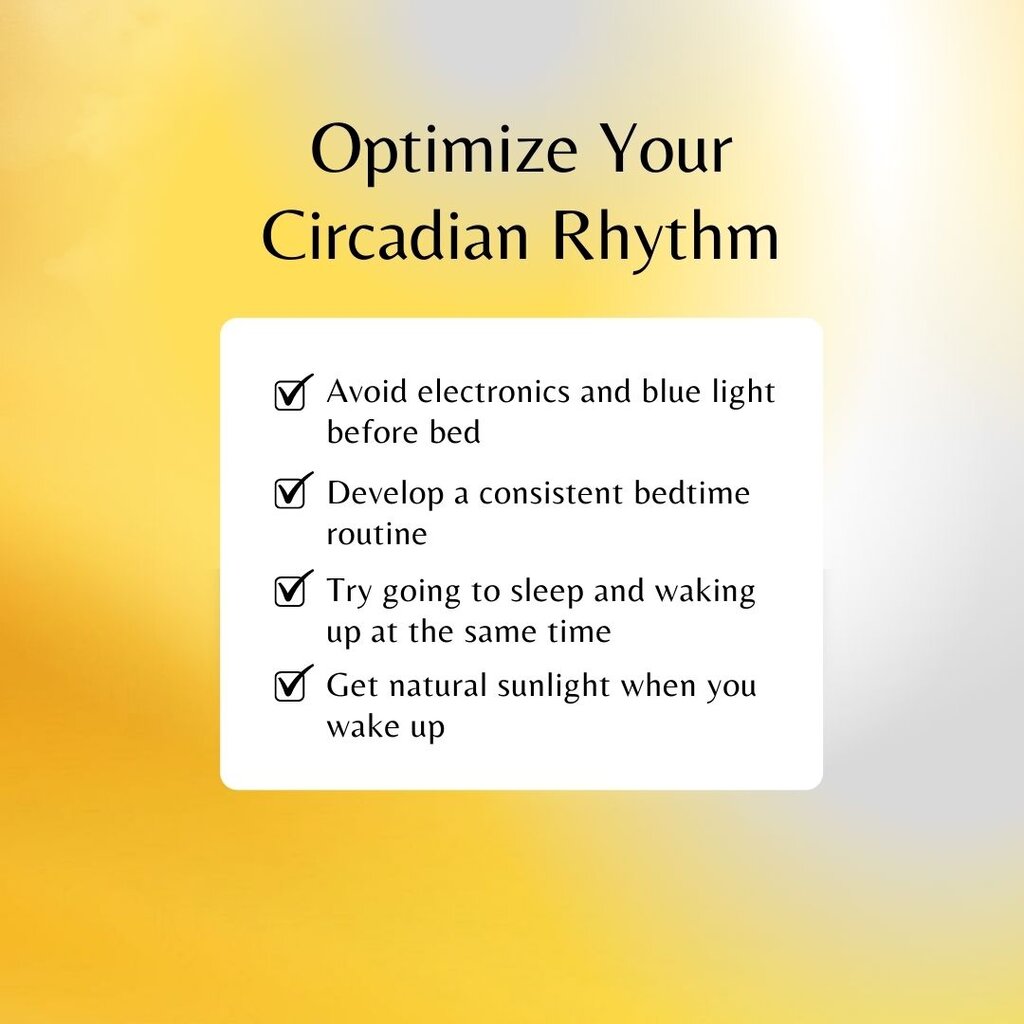
Keeping a consistent sleep and wake schedule, even on weekends, helps keep your internal clock synchronized.
Why Your Brain Needs Sleep
Sleep is crucial for cognitive function. While you rest, your brain is busy processing the day's information. It strengthens the neural connections that form memories, a process called memory consolidation. This is why a good night's sleep can help you remember what you learned the day before and perform better on a test.
Sleep also gives your brain a chance to clear out waste products that build up during waking hours. This cleanup process helps your brain function optimally when you wake up. Without it, you might feel foggy and have trouble focusing.
Sufficient sleep directly impacts your energy levels. During deep sleep (N3), the body conserves energy and repairs itself. This physical restoration helps you feel refreshed and alert the next day. A lack of quality sleep often leads to fatigue, irritability, and a slump in physical and mental performance.

Now, let's test your knowledge of these sleep fundamentals.
During which stage of sleep does the body primarily focus on physical repair, building bone and muscle, and strengthening the immune system?
True or False: During REM sleep, the body's major muscles are temporarily paralyzed to prevent you from acting out dreams.
Understanding these basics is the first step toward appreciating just how important sleep is for your overall well-being.