Master Your Sleep for Peak Performance
Understanding Sleep Basics
Your Brain's Nightly Journey
Turning off the lights and closing your eyes is just the beginning of a complex and active process. While you rest, your brain is hard at work, cycling through different stages of sleep, each with a unique purpose. Far from being a simple state of rest, sleep is crucial for keeping your mind sharp and your body healthy.
The Two Types of Sleep
Sleep is broadly divided into two main types: Non-Rapid Eye Movement (NREM) and Rapid Eye Movement (REM). You cycle through these stages multiple times each night.
NREM Sleep
noun
Stands for Non-Rapid Eye Movement sleep. It's the period of deep, restorative sleep where your body repairs tissues, builds bone and muscle, and strengthens the immune system. It's divided into three stages.
NREM sleep is like slowly descending a staircase into deep rest.
-
Stage 1 (N1): This is the light, drowsy stage of sleep. Your muscles relax, and your brain waves start to slow down. It’s easy to be woken up during this stage.
-
Stage 2 (N2): You're in a more stable sleep. Your body temperature drops and your heart rate slows. Your brain produces short bursts of activity called sleep spindles, which are thought to help with memory consolidation.
-
Stage 3 (N3): This is deep sleep, or slow-wave sleep. It's the most restorative stage, where your body does most of its physical repair work. Waking up from this stage can leave you feeling groggy and disoriented.
REM Sleep
noun
Stands for Rapid Eye Movement sleep. This is the stage where most vivid dreaming occurs. Your brain activity is high, similar to when you're awake, but your major muscles are temporarily paralyzed to stop you from acting out your dreams.
The Sleep Cycle
Throughout the night, your brain doesn't just stay in one stage. Instead, it cycles through all the stages of NREM and REM sleep. A complete sleep cycle lasts about 90 to 110 minutes on average.
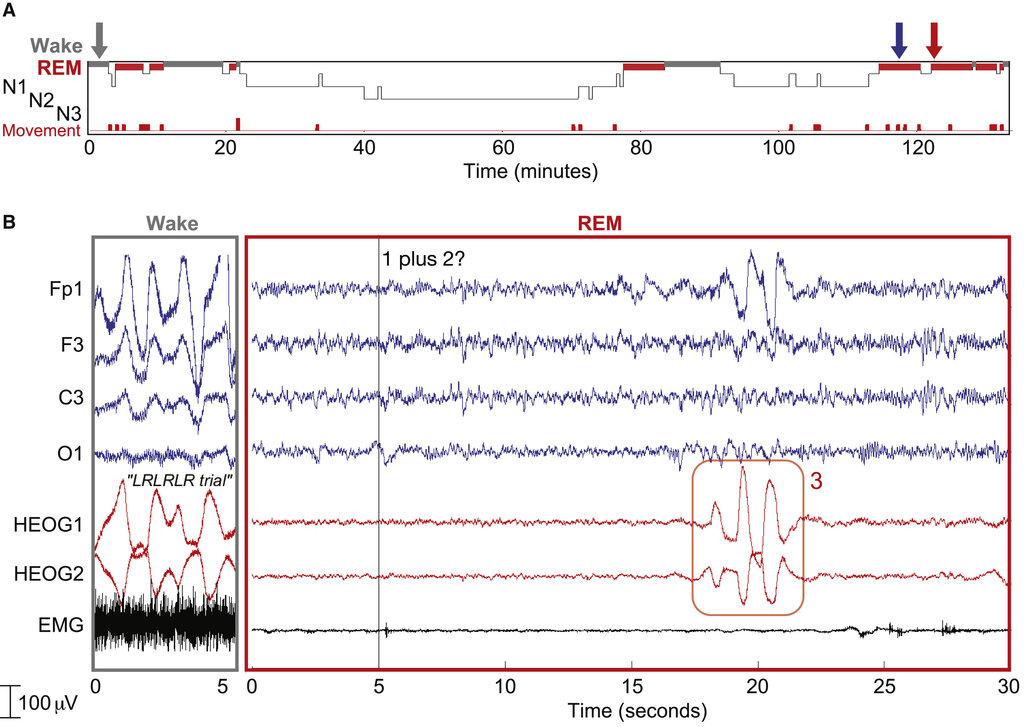
In the first half of the night, you spend more time in deep NREM sleep. As the night progresses, the REM stages get longer, and the deep sleep stages get shorter. An adult typically goes through four to six of these cycles per night.
Why Your Brain Needs Sleep
Sleep isn't just about resting your body; it's essential for your brain's health and performance. Several critical processes happen while you're asleep.
One of the most important is memory consolidation. During the day, you learn new things and form short-term memories. During sleep, particularly NREM sleep, the brain strengthens and transfers these memories to long-term storage. Think of it as organizing the files on a computer and saving the important ones.
Your brain also does some housekeeping. A network of vessels called the glymphatic system becomes more active during sleep, clearing out metabolic waste products that build up in the brain during waking hours. This process is vital for maintaining healthy brain function.
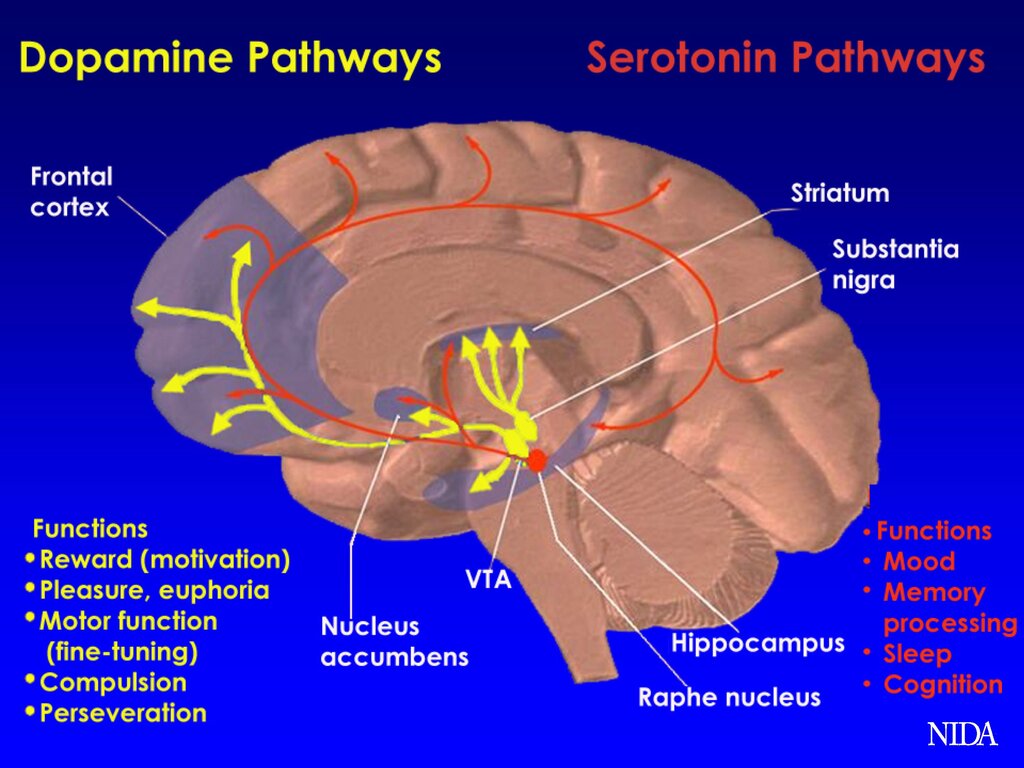
REM sleep is especially important for emotional regulation. It helps your brain process the day's emotional experiences, which can help you cope with difficult situations and maintain a stable mood. It's also linked to creativity and problem-solving.
Missing out on sleep doesn't just make you tired. It impairs your focus, hurts your ability to learn, and can negatively affect your mood and physical health over time.
Now, let's test what you've learned about the fundamentals of sleep.
Which stage of sleep is considered the most restorative, where the body performs most of its physical repair work?
How does the composition of a typical sleep cycle change over the course of a night?
Understanding these sleep basics is the first step toward improving your sleep quality and, in turn, your overall well-being.