Master Your Sleep for Peak Performance
Understanding Sleep Basics
The Architecture of Sleep
Sleep isn't just an off switch for your brain. It's a highly structured activity with a predictable pattern. Think of it like a building with different floors, each serving a unique purpose. The two main types of sleep are Non-Rapid Eye Movement (NREM) and Rapid Eye Movement (REM).
Most of your night is spent in NREM sleep, which is divided into three stages:
-
N1 (Light Sleep): This is the brief, transitional stage right after you doze off. Your muscles relax, and your brain waves start to slow down. It's easy to be woken up during N1.
-
N2 (Deeper Sleep): You spend about half your total sleep time here. Your heart rate and body temperature drop. Your brain produces bursts of rapid activity called sleep spindles, which are thought to be important for organizing memories.
-
N3 (Deep Sleep): Also known as slow-wave sleep, this is the most restorative stage. Your body works on physical repairs, like muscle growth and tissue regeneration. It’s very difficult to wake someone from N3 sleep, and if you do, they’ll likely feel groggy and disoriented.
After the NREM stages, you enter REM sleep. This is when your most vivid dreams happen. Your eyes move quickly back and forth beneath your eyelids, which gives this stage its name. Your brain activity looks surprisingly similar to when you're awake, but your body is essentially paralyzed. This temporary muscle paralysis, called atonia, keeps you from acting out your dreams. REM sleep is crucial for emotional regulation and consolidating complex memories.
The Nightly Cycle
Your brain doesn't just go through these stages once. It cycles through them repeatedly all night long. A single sleep cycle progresses through the NREM stages, culminates in REM, and then starts over. Each cycle lasts about 90 to 110 minutes.
An interesting pattern emerges over the course of the night. In the first half, your body prioritizes deep sleep (N3) to handle physical restoration. As the night progresses, the cycles shift. You spend less time in deep sleep and more time in REM sleep, which is why you're more likely to wake up from a dream in the morning.
Your Internal Clock
What tells your body when to feel sleepy or awake? This is the job of your circadian rhythm, a roughly 24-hour internal clock that orchestrates various bodily functions, including your sleep-wake cycle.
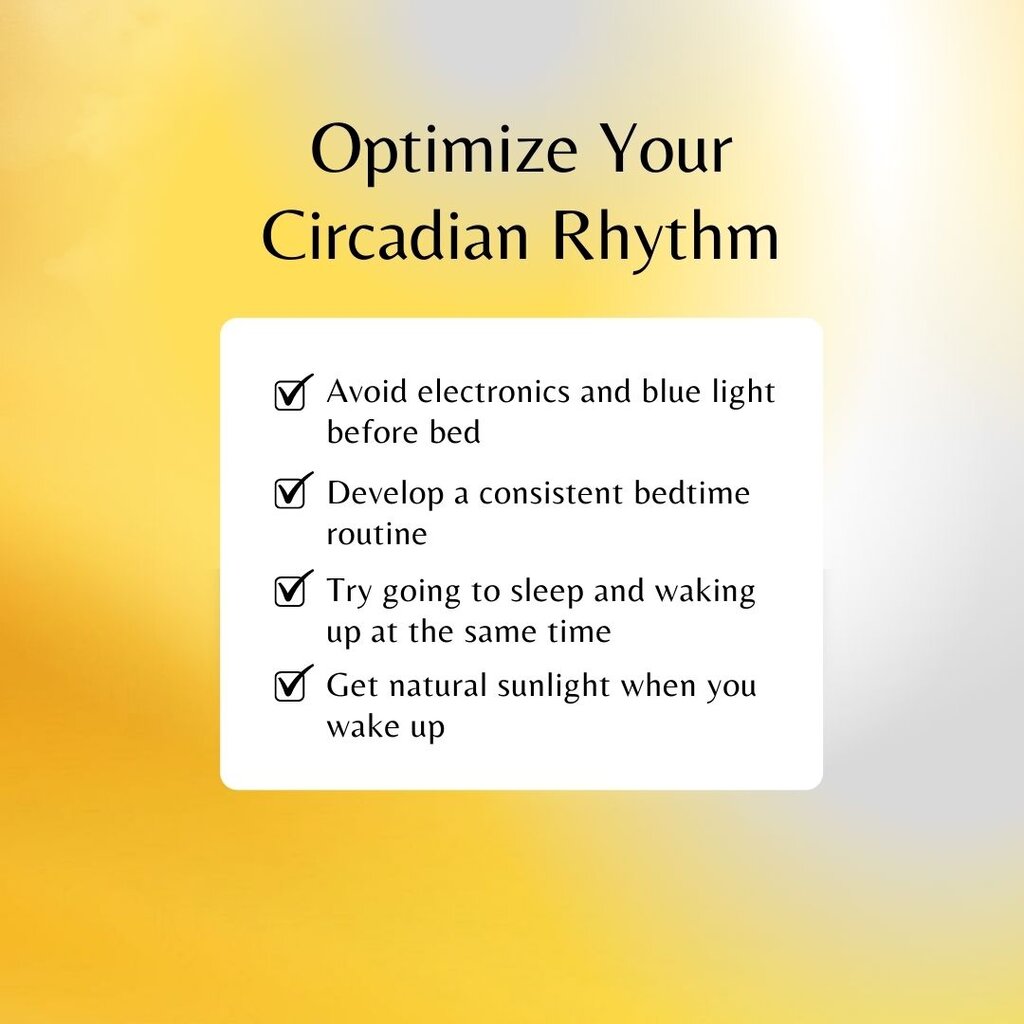
This biological clock is located in a part of your brain called the suprachiasmatic nucleus (SCN). The most powerful cue for the SCN is light. When light enters your eyes, it signals to your brain that it's daytime, promoting alertness and suppressing sleepiness.
As darkness falls, your brain gets the signal to produce melatonin, a hormone that makes you feel drowsy. This is why using bright screens late at night can interfere with sleep. The blue light from phones and computers tricks your brain into thinking it's still daytime, delaying the release of melatonin and making it harder to fall asleep.
Why Sleep Matters
Sleep isn't a passive state of rest; it's an active period of intense biological activity. During sleep, your brain is hard at work cleaning house. It clears out metabolic waste that accumulates during waking hours, a process vital for long-term brain health.
Memories are also processed and stored. Sleep helps strengthen important neural connections and prune away weaker ones, making learning more efficient. This is why pulling an all-nighter to study is often counterproductive. You might cram in information, but without sleep, it’s much less likely to stick.
Physically, sleep is when your body repairs itself. It releases growth hormone, reduces inflammation, and strengthens your immune system. Consistently missing out on quality sleep can compromise your body's ability to fight off illness and recover from daily wear and tear.
Sleep is more than just rest—it’s a powerful tool for learning, memory, and brain health.
Now that you understand the basics of what happens when you close your eyes, let's check your knowledge.
Which stage of sleep is primarily responsible for physical restoration, such as muscle growth and tissue repair?
The temporary muscle paralysis that occurs during REM sleep to prevent you from acting out dreams is called ____.
Understanding these fundamental mechanics of sleep is the first step toward improving it. By recognizing that sleep has a deliberate structure and is governed by an internal clock, you can begin to make choices that work with your body's natural rhythms, not against them.