Master Your Sleep Boost Your Brain
Understanding Sleep Stages
The Journey of a Night's Sleep
When your head hits the pillow, your brain doesn't just switch off. Instead, it embarks on a structured journey through different stages of sleep, each with a unique purpose. Think of it like a multi-act play that repeats throughout the night. The two main acts are Non-Rapid Eye Movement (NREM) sleep and Rapid Eye Movement (REM) sleep. Your brain cycles through these acts several times, with each cycle lasting about 90 minutes.
The Quiet Stages of NREM
NREM sleep is divided into three parts, taking you from light drowsiness into deep, restorative rest. It's the powerhouse for physical repair and for locking in certain types of memories.
Stage N1: Drifting Off This is the brief, initial stage of sleep, the doorway between wakefulness and sleep. Your breathing and heart rate slow down, and your muscles begin to relax. You might experience a sudden muscle twitch, known as a hypnic jerk. It's easy to be woken up during this stage.
Stage N2: Settling In This is where you spend the largest portion of your total sleep time. Your body temperature drops and you become disengaged from your surroundings. Your brain shows bursts of rapid activity called sleep spindles and K-complexes. These bursts are thought to play a big role in memory consolidation, helping to organize and store the day's information.
Stage N3: Deep Sleep This is the deepest, most restorative stage of sleep, also known as slow-wave sleep. Your brain produces slow, large delta waves. It's very difficult to be awakened from N3 sleep, and if you are, you'll likely feel groggy and disoriented. During this phase, your body performs critical repairs on tissues and muscles, boosts your immune system, and clears metabolic waste from the brain. This stage is vital for consolidating declarative memories, like facts, figures, and vocabulary.
Deep sleep (N3) acts like a cleanup crew for your brain, flushing out toxins that accumulate during waking hours.
The Active Stage of REM
After cycling through the NREM stages, you enter a completely different world: REM sleep. This is when your brain becomes highly active, almost as if you were awake. Your eyes dart back and forth behind your closed eyelids, which gives this stage its name.
This is the stage where most vivid dreaming occurs. To keep you from acting out these dreams, your brain temporarily paralyzes your voluntary muscles—a condition called atonia. REM sleep is crucial for emotional regulation and processing complex memories. It helps you make creative connections and is particularly important for cementing procedural memories, like learning a new instrument or sport.
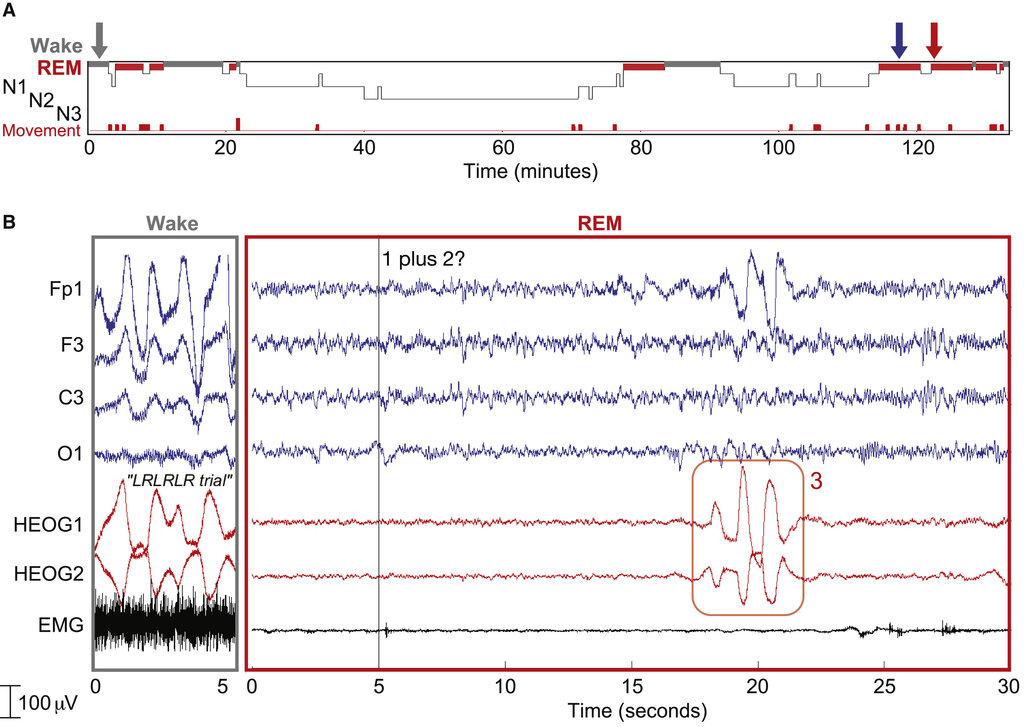
As the night progresses, the structure of your sleep cycles changes. In the first half of the night, you spend more time in deep N3 sleep. In the second half, the REM stages get longer, meaning most of your dreaming happens closer to morning. This balance ensures your body and mind both get the restoration they need.
How Each Stage Sharpens Your Mind
Each sleep stage contributes differently to your ability to learn, focus, and remember. Without adequate time in each stage, cognitive performance suffers. A full night's sleep isn't just about quantity; it's about completing these vital cycles.
| Stage | Key Brain Activity | Primary Cognitive Function |
|---|---|---|
| N1 | Transition to sleep | Relaxation, initial memory processing |
| N2 | Sleep spindles, K-complexes | Consolidating new information and skills |
| N3 | Slow delta waves | Solidifying facts, physical brain cleanup |
| REM | High-frequency brainwaves | Emotional processing, creativity, skill memory |
Let's check your understanding of these different phases.
What are the two main types of sleep that your brain cycles through during the night?
If you spent the evening practicing a new piece on the piano, which sleep stage would be most critical for cementing that procedural memory?
Understanding these stages reveals just how active your brain is during sleep. It's a complex, essential process that keeps you sharp, healthy, and ready for the day ahead.