Master Your Schedule Time Blocking
Understanding Time Blocking
What Is Time Blocking?
Instead of working from a long, overwhelming to-do list, time blocking is a method where you schedule your tasks directly into your calendar. You decide not just what you need to do, but when you are going to do it. Each task or group of related tasks gets its own dedicated block of time.
Time blocking is a time management method where you divide your day into blocks of time, each dedicated to a specific task or group of tasks.
Think of it this way: a traditional to-do list is a great starting point, but it doesn't account for your most limited resource: time. Time blocking connects your tasks to the actual hours you have in a day. You're not just hoping to get to your assignments; you're making a concrete plan for them.
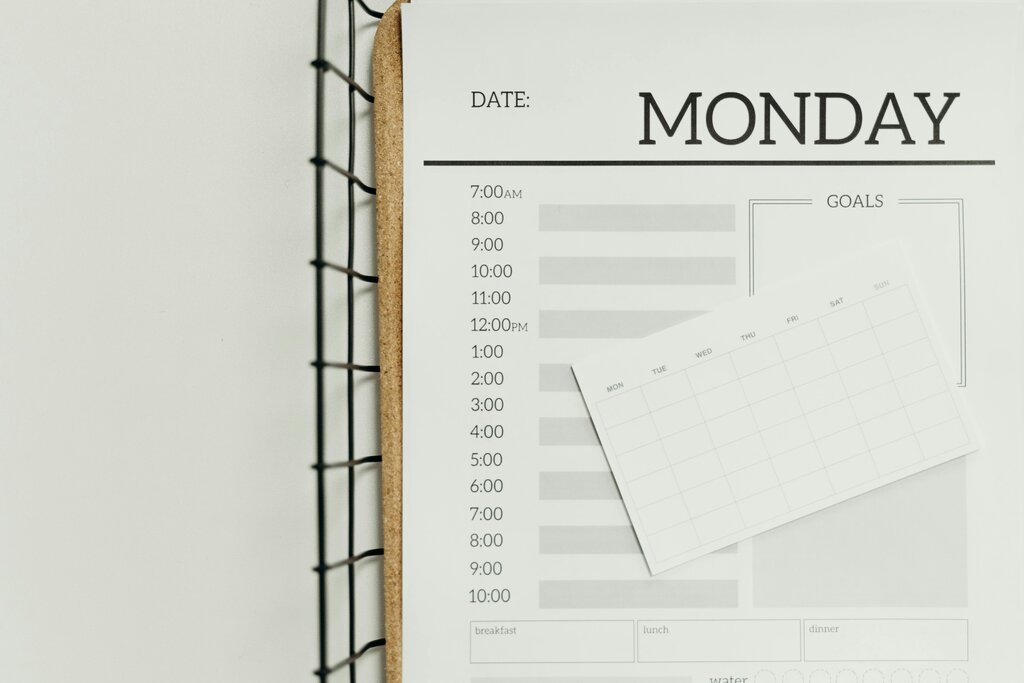
Why It Works
The main power of time blocking is its ability to promote deep work. When you set aside a specific time for a specific task, you're telling your brain to focus on that one thing. This reduces the urge to multitask, which often leads to less efficient work and more mistakes. By dedicating a 90-minute block to writing an essay, you're less likely to be distracted by emails or other small tasks.
This method also helps fight procrastination. Seeing a task scheduled in your calendar makes it feel like a real appointment you have to keep. It's much harder to put off "Write History Paper" when it's booked from 2:00 PM to 4:00 PM.
Finally, time blocking provides a realistic view of your day. It forces you to estimate how long tasks will take, which helps you avoid overcommitting. It also encourages you to schedule breaks and personal time, leading to a better balance between work and life.
By using time blocking, students can reduce procrastination, increase focus, and gain better balance.
A Quick Overview
Getting started with time blocking is straightforward. You don't need fancy tools—a simple planner or a digital calendar works perfectly.
- List Your Tasks: At the beginning of the day or week, write down everything you need to accomplish. This includes schoolwork, chores, exercise, and social activities.
- Estimate Time: Next to each task, estimate how long you think it will take. Be generous at first; it's better to finish early than to run out of time.
- Build Your Schedule: Open your calendar and start placing these tasks into empty slots. Treat them like appointments. Put your most challenging tasks during times of the day when you have the most energy.
| Time | Task |
|---|---|
| 9:00 - 10:30 AM | Work on History Paper |
| 10:30 - 11:00 AM | Answer Emails & Tidy Desk |
| 11:00 - 12:00 PM | Math Problem Set |
| 12:00 - 1:00 PM | Lunch & Walk |
| 1:00 - 2:00 PM | Study for Biology Quiz |
The goal isn't to follow the schedule perfectly every single time. Life happens, and interruptions are normal. The point is to be intentional with your time. By creating a plan, you take control of your day instead of letting your day control you.