Master Your Passwords with a Manager
Understanding Password Security
Your Digital Front Door
Think of a password as the key to your house. You wouldn't use a flimsy key or leave copies lying around. In the digital world, your passwords unlock everything from your email and bank accounts to your social media profiles. They are the primary defense against anyone trying to access your personal information.
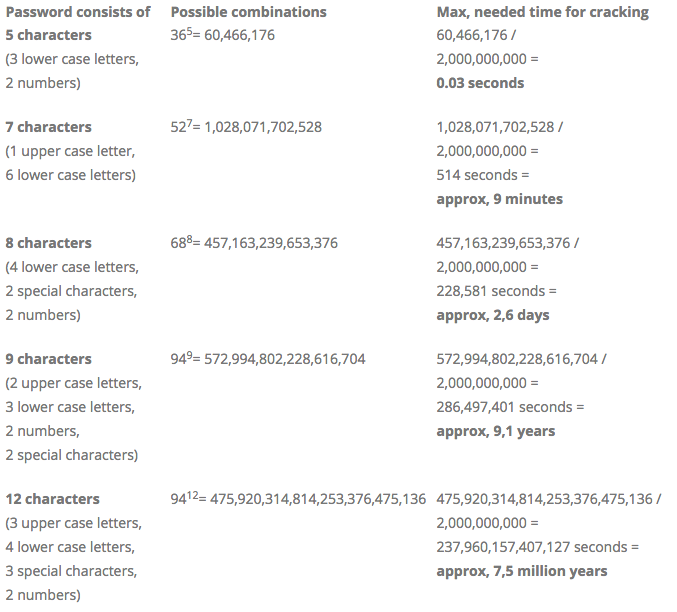
A strong password is long, complex, and unpredictable. It mixes uppercase and lowercase letters, numbers, and symbols. The longer and more random it is, the harder it is for someone—or something—to guess.
A short, simple password like "password123" can be cracked by a computer in an instant. A long, complex one like "R#6b$!zP8v@T" could take centuries.
How Attackers Get In
Cybercriminals use several common methods to steal passwords. Understanding them is the first step toward protecting yourself.
brute-force attack
noun
An attack where a program tries to guess a password by systematically trying every possible combination of letters, numbers, and symbols.
Another popular technique is phishing, which is more about trickery. Attackers send fake emails or create fake websites that look legitimate. Their goal is to fool you into entering your username and password, which they then capture.
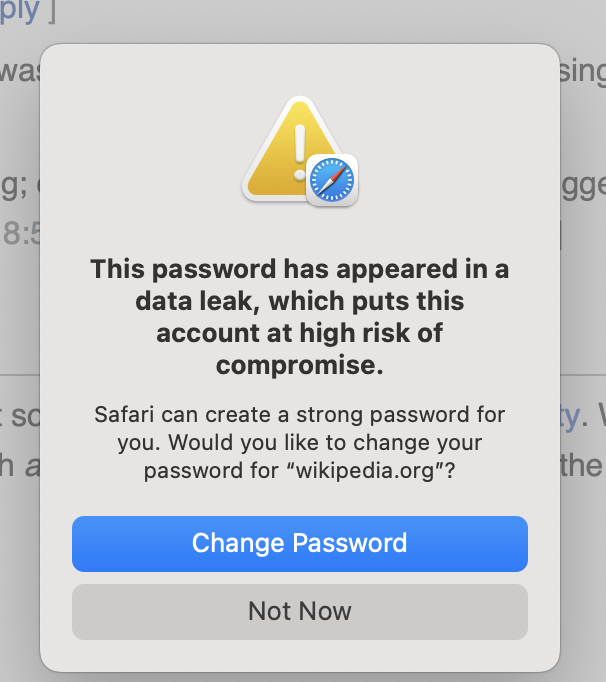
Then there's credential stuffing. This happens after a data breach at a company. Attackers take the leaked lists of usernames and passwords and "stuff" them into the login forms of other popular websites, like banking or email services. They're betting that people reuse the same password across multiple sites.
They're taking advantage of one of the most common security mistakes people make online: using the same password in multiple places, said Kevin Gosschalk, founder and CEO of the cybersecurity firm Arkose Labs, which protects companies against online fraud.
If you use the same password for your social media account and your bank account, a breach at the social media company could give attackers the key to your finances.
The Ripple Effect
A single stolen password can cause a cascade of problems. Once an attacker gets into one of your accounts, they can often use the information they find there to access others. For example, by getting into your email, they can request password resets for many of your other online services.
The consequences can be severe, ranging from financial loss and identity theft to damage to your personal reputation. That's why creating a strong, unique password for every single account is one of the most important habits you can develop for your digital life.