Master Your Passwords
Password Basics
Your First Line of Defense
Think of a password as the key to a door. Every online account you have—email, banking, social media—is a room full of your personal information, and the password is what keeps it locked. In our digital world, you're not just protecting one door, but dozens of them. This makes your password the most fundamental tool for protecting your identity and data online.
A weak key is easy to copy or break, and a weak password is easy to guess or crack. When a hacker gains access to just one of your accounts, they can often use it to access others, creating a cascade of problems. That’s why understanding what makes a password strong is the first and most important step in cybersecurity.
What Makes a Password Strong?
Creating a strong password isn't about finding a magic formula, but about following three basic principles: length, complexity, and unpredictability.
A strong password is long, complex, and random.
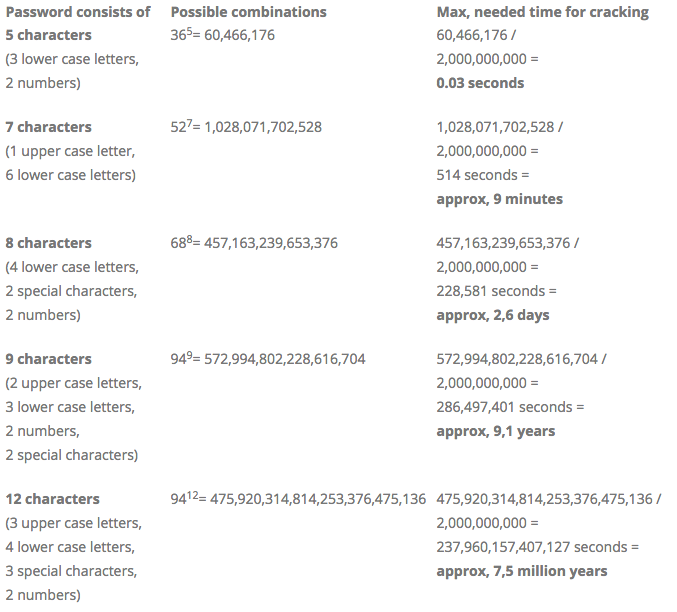
Length: This is the single most important factor. A short password, even a complex one, can be cracked by modern computers in seconds. Each character you add increases the number of possible combinations exponentially, making it much harder to guess. Aim for a minimum of 12-15 characters.
Complexity: Use a mix of character types. This includes uppercase letters (A-Z), lowercase letters (a-z), numbers (0-9), and special characters (!, @, #, $, etc.). This mixture makes automated guessing attacks, known as brute-force attacks, take significantly longer.
Unpredictability: A password should be random. Avoid using common words or phrases, keyboard patterns like qwerty or 123456, and any personal information. Your name, birthday, pet’s name, or anniversary date are often the first things an attacker will try.
Think about it like a combination lock. A lock with three digits has 1,000 possible combinations. A lock with eight digits has 100,000,000 combinations. The same logic applies to your passwords. The longer and more varied the characters, the more secure the lock.
The Risk of Reusing Passwords
One of the most common and dangerous habits is using the same password for multiple accounts. It's convenient, but it creates a massive security vulnerability. All it takes is for one of those websites to experience a data breach.
When a company's database is hacked, lists of usernames and passwords often end up for sale on the dark web. Attackers buy these lists and use automated software to try the same username and password combinations on other popular websites, like banking or email services. This is called credential stuffing.
If you use the same password everywhere, a single data breach can give an attacker the master key to your entire digital life.
The consequences can be severe. A compromised email account can be used to reset the passwords for all your other accounts. A compromised bank account could lead to financial theft. Even a breach of a seemingly unimportant account could expose personal information used for identity theft.
Now let's check your understanding of these core concepts.
According to cybersecurity principles, what is the single most important factor for a strong password?
An attacker gets a list of usernames and passwords from a breached shopping website and uses it to try and log into banking and email sites. What is this type of attack called?
Protecting your digital life starts with creating strong, unique passwords for every account. It’s a simple habit that provides a powerful layer of security against a wide range of cyber threats.